

Types of Mental Health Issues and Illnesses
Feeling overwhelmed, anxious, or not quite like yourself lately? You're not alone in this experience. Mental health affects how you think, feel, and handle daily life situations.
We have found 45 results with your query ""
Feeling overwhelmed, anxious, or not quite like yourself lately? You're not alone in this experience. Mental health affects how you think, feel, and handle daily life situations.
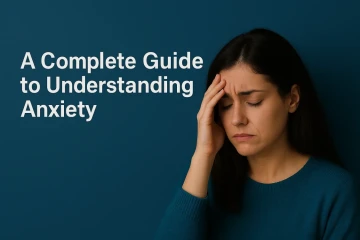
Anxiety touches millions of lives every single day. You're not alone if your heart races before a big test.
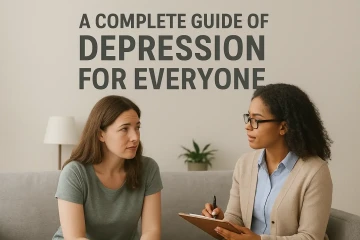
Depression goes beyond just feeling sad. It's a serious medical condition that impacts millions globally. Depression impacts thoughts, feelings, and daily activities.
You might notice your teenager isn't eating dinner with the family anymore. It starts small - they stay in their room more often.
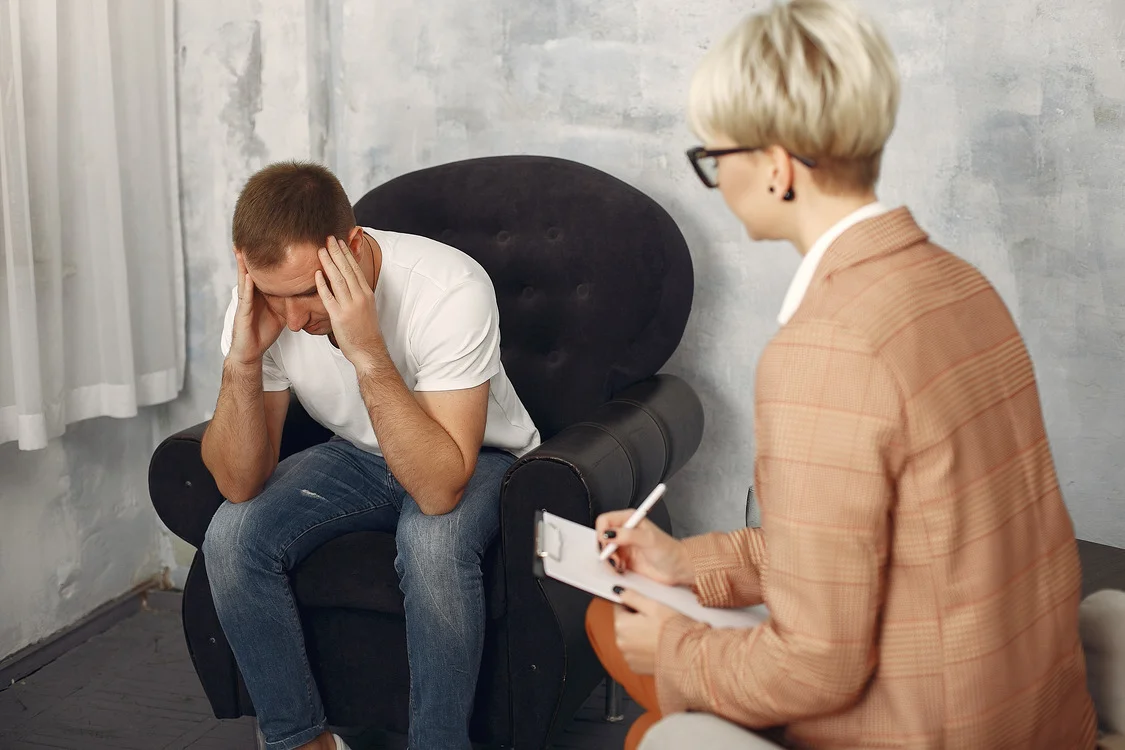
You've likely heard terms like mental illness, psychiatric disorder, or psychological issues. These terms can sound scary or confusing. Maybe someone you know has been told they have one of these conditions.
The talk about mental health has changed a lot in the last ten years. Still, one group faces special challenges in getting help.
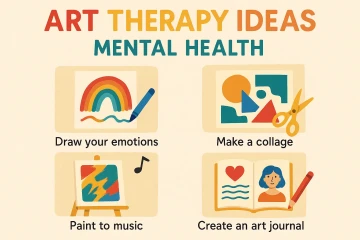
Mental health issues impact millions. Many still find it hard to get affordable help for their emotional well-being.
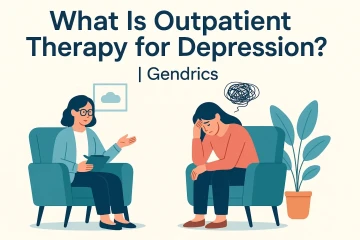
Depression affects millions of people every single day. If you're reading this, you or someone close to you may feel sad, hopeless, or stuck.
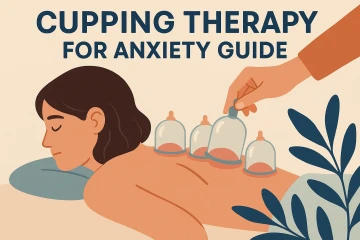
Anxiety impacts millions globally. Many people seek relief beyond regular medications.
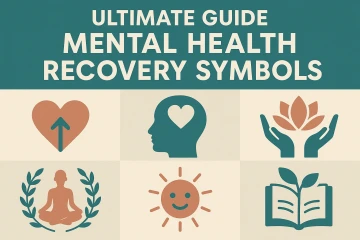
Mental health recovery symbols hold great power. They can heal, inspire, and connect those on similar journeys.
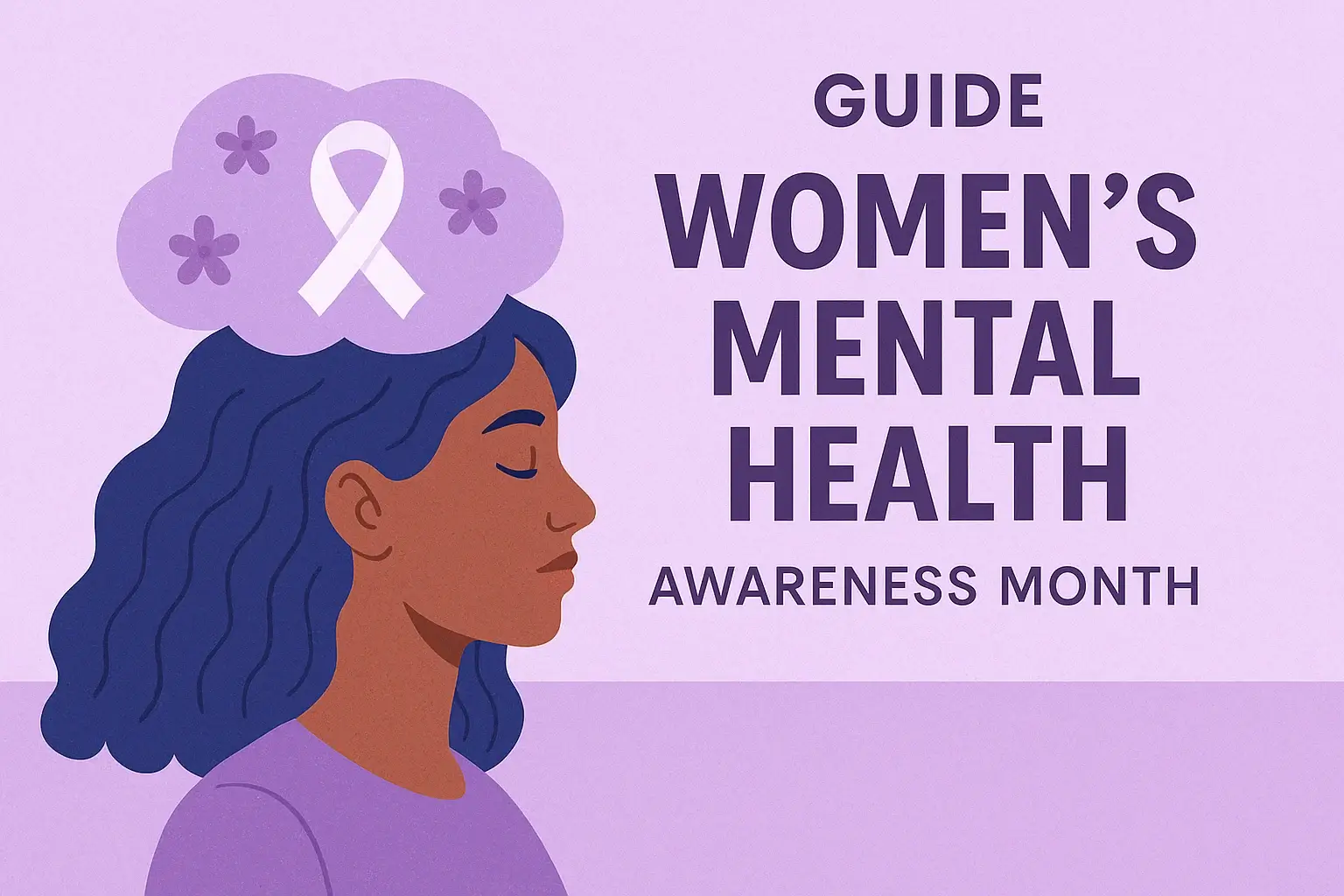
Women's Mental Health Awareness Month highlights the unique mental health issues that women face.
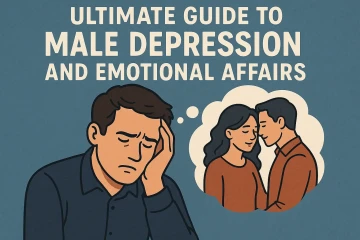
Male depression and emotional struggles are often overlooked in today's mental health conversation.
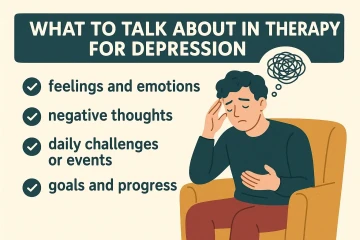
Starting therapy for depression can be tough. You might feel overwhelmed.
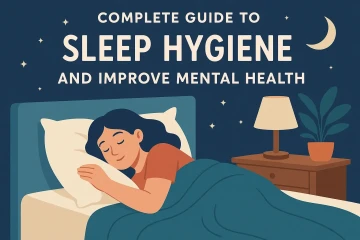
Sleep and mental health are closely linked. Many people face challenges with both, but often don't realize how much they influence each other.
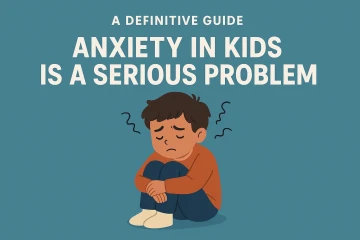
Childhood should be a time for curiosity, play, and growth. But for millions of kids today, anxiety overshadows these years.

Bipolar disorder and depression can be confusing. They share many symptoms, which makes it hard to tell them apart.
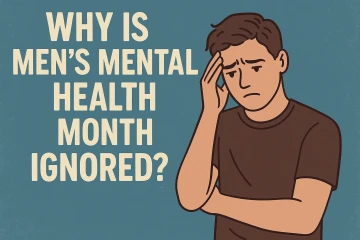
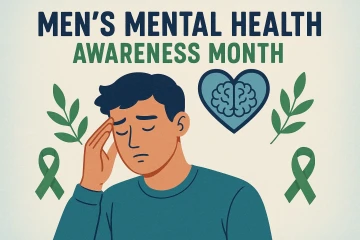
Every June, Men's Mental Health Month highlights the emotional challenges men face globally. High male suicide rates and untreated mental health issues are serious problems. Yet, this important awareness period gets little attention.

Colors speak to everyone, helping to raise awareness about important issues. When you see a pink ribbon, you immediately think of breast cancer awareness.
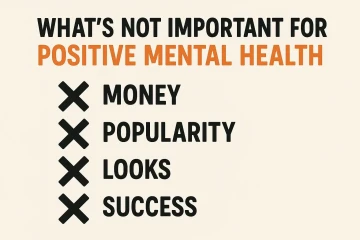
Understanding mental wellness means looking at both what helps and what doesn't. Many people chase things they think will improve their mental health.
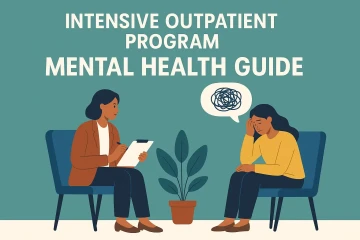
Mental health treatment provides varying support. This depends on each person's needs and how severe their symptoms are.
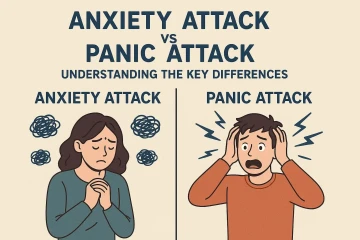
Anxiety attacks develop gradually with worry and tension. Panic attacks happen suddenly. They bring intense fear and strong physical symptoms.

The maximum dose of propranolol for anxiety is usually between 120 mg and 160 mg daily. But individual limits vary based on medical history, symptom severity, and treatment response.
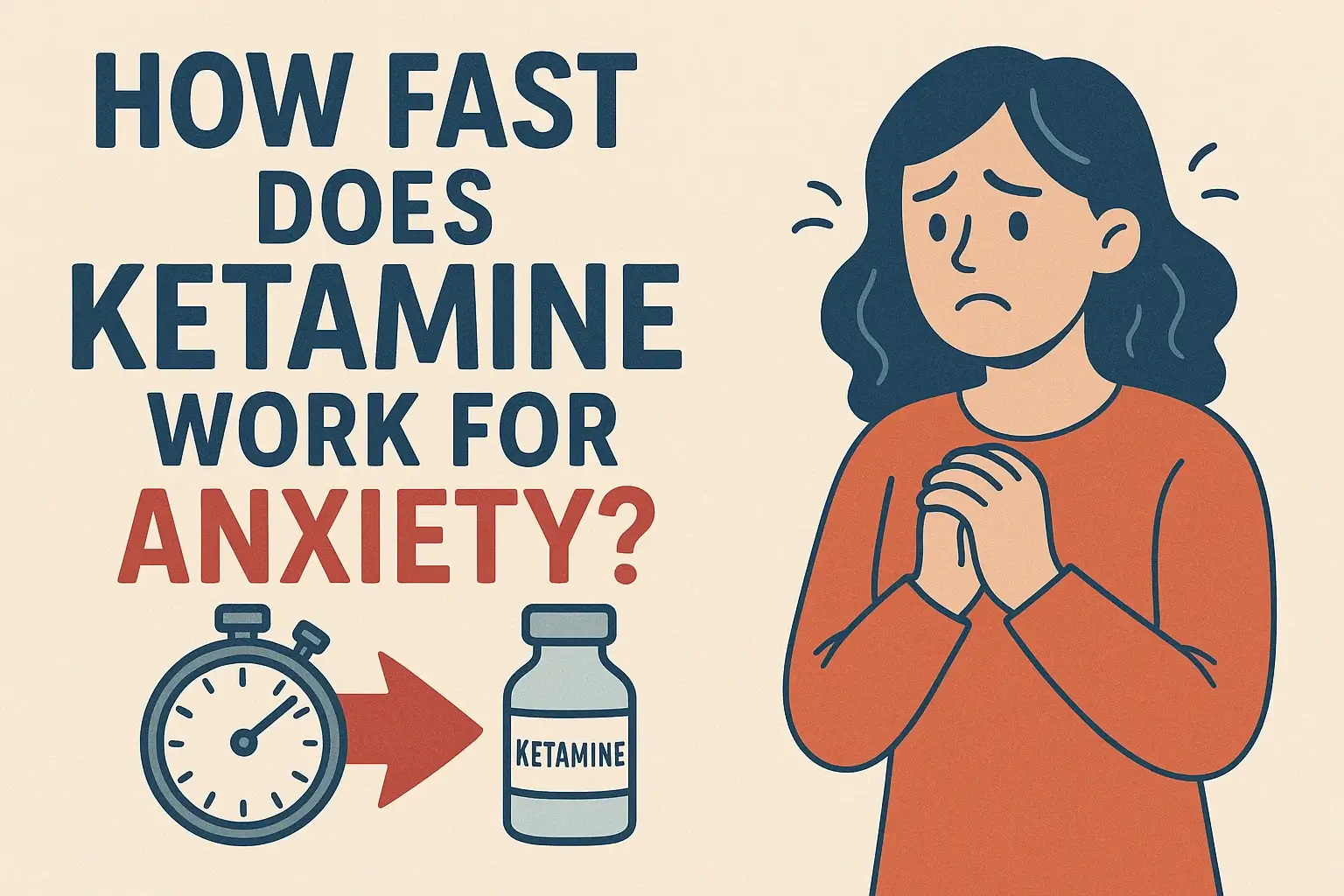
Ketamine usually starts working in 40 minutes to 2 hours. Many patients feel anxiety relief within the first hour. The speed varies by how you administer ketamine. IV infusions work the fastest.
We believe education empowers better health decisions. Understand anxiety well. Know the proven treatment options.
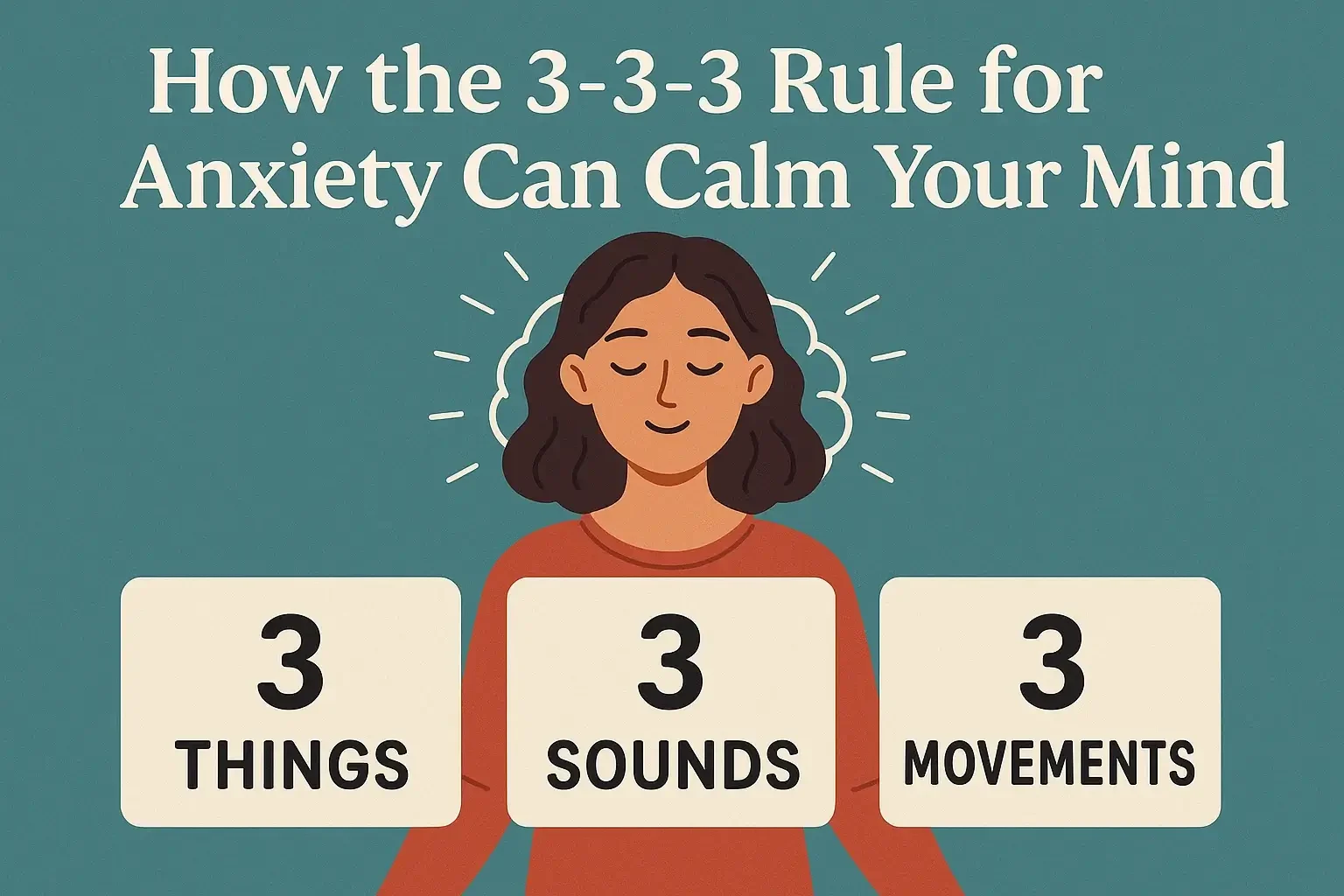
The 3-3-3 Rule is an easy grounding technique. It helps calm anxiety. Just name three things you see, three sounds you hear, and move three body parts. This method uses your senses to bring you back to the present.
Have you ever walked into a room and completely forgotten why you went there? Or struggled to remember a conversation from yesterday? People forget things sometimes.

Anxiety impacts millions around the globe. It causes intense worry, physical tension, and constant fear. These feelings can disrupt everyday life. Cognitive behavioral therapy (CBT) is a top treatment for anxiety disorders.
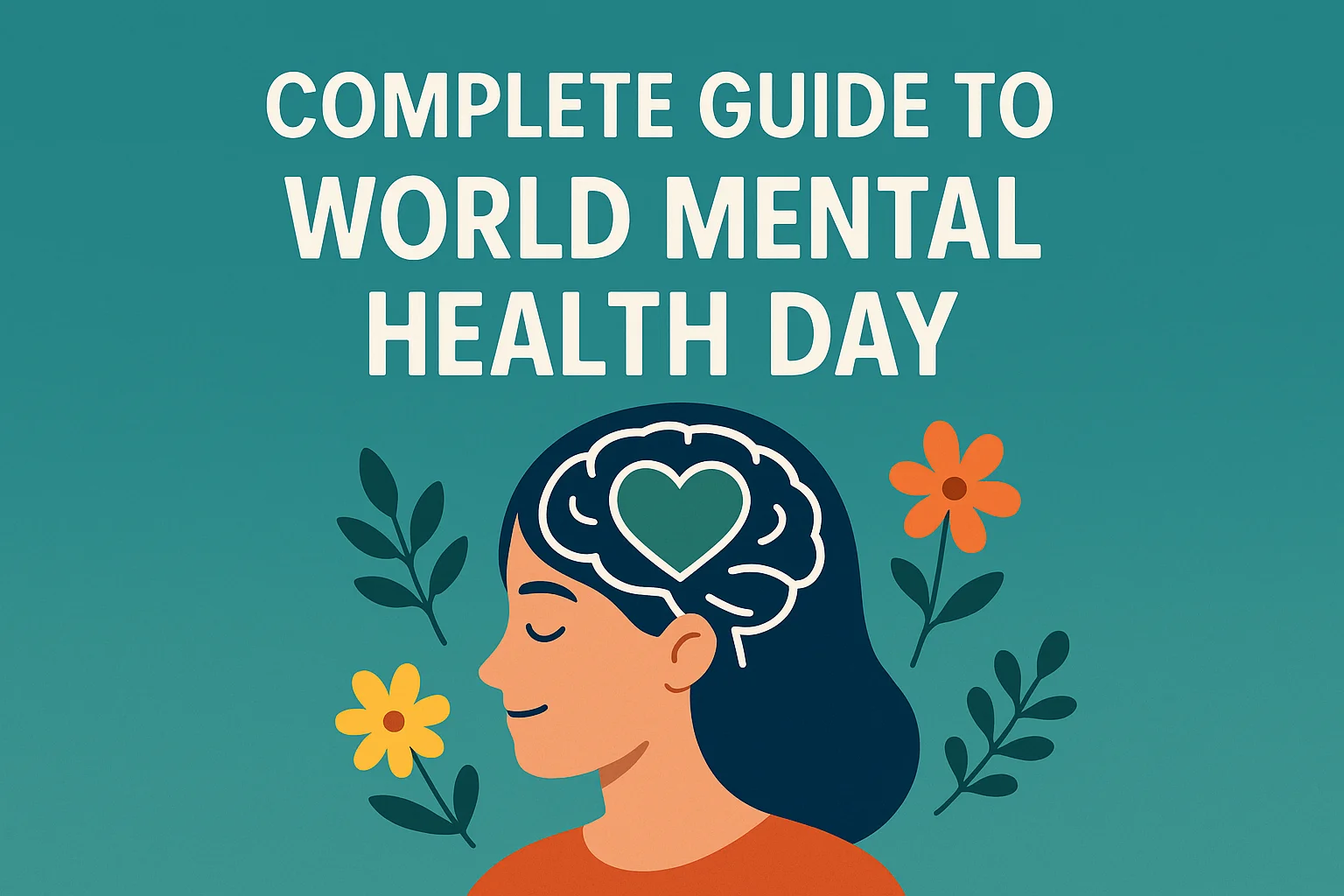
Every year on October 10, people worldwide focus on mental health awareness. World Mental Health Day is a chance to talk about mental health. It helps us learn about global issues and support those facing emotional challenges.
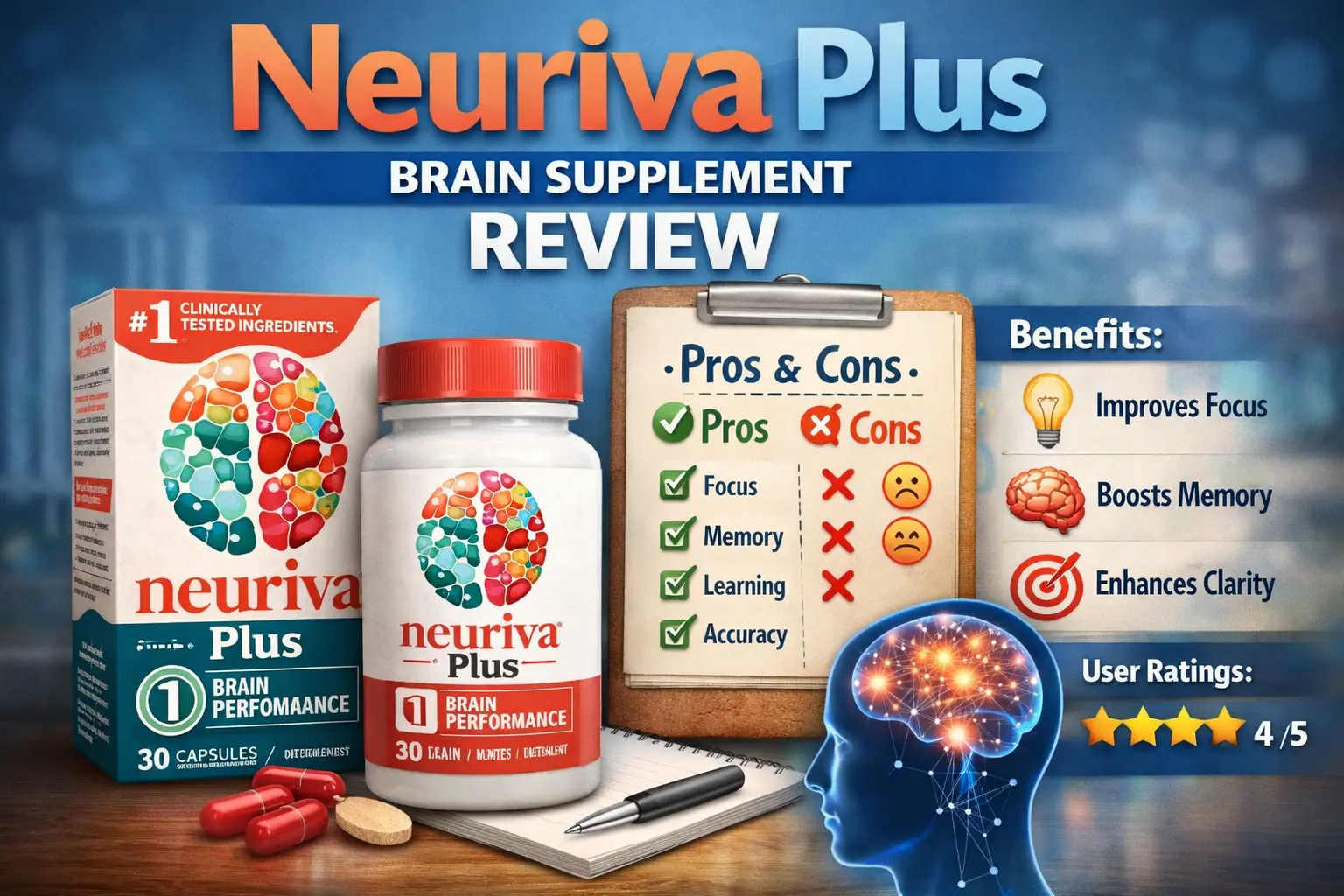
Neuriva Plus boosts memory and focus. It uses studied ingredients to help your brain function better. Are you a student wanting to improve focus? Or you're concerned about memory? This guide can help you see if it's a good match for you.

This comprehensive Prostavive Colibrim review 2026 examines whether this supplement delivers real results.
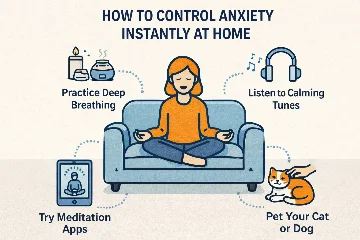
Imagine this: you're at the kitchen table, laptop open for a key video interview. Suddenly, the heart races. Palms sweat. The chest tightens. The room feels smaller. Within seconds, sudden anxiety threatens to derail everything prepared for weeks.

Someone shows up to work every day on time, participates in meetings, and responds to messages promptly. They smile at appropriate moments and maintain their responsibilities. From the outside, everything looks fine. Inside their minds, a harsh voice keeps saying they’re worthless.

People now use the internet to learn about better health. Online wellness websites are growing fast. One name getting attention is health threetrees com vn. Many users are searching for it to find simple wellness information online.
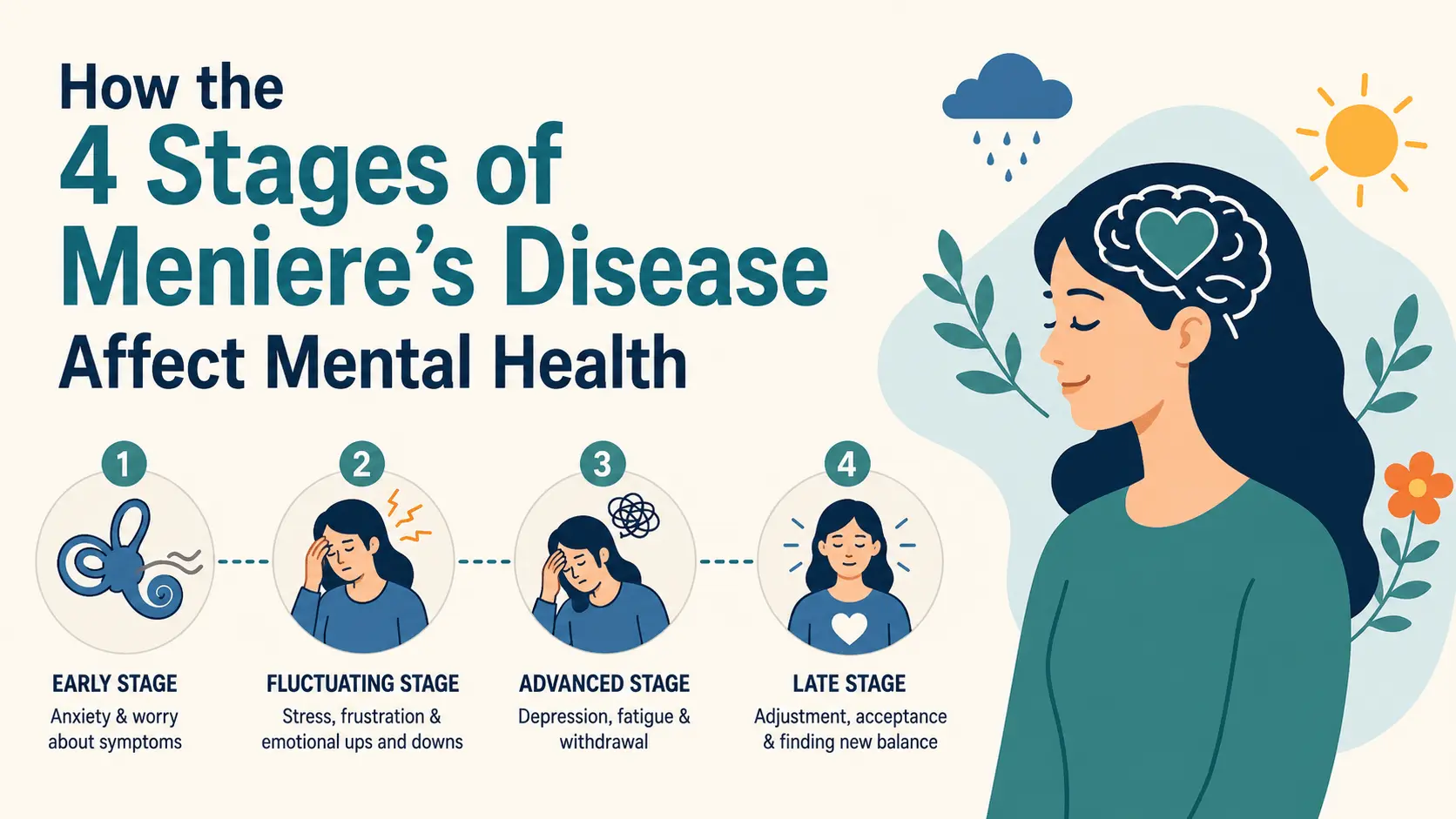
Meniere's disease is a chronic inner ear disorder. It affects balance and hearing. It does not stay the same over time. It moves through four stages. And each one brings new physical and emotional challenges.

Learn what residential mental health treatment is, the mental health conditions it treats, who may benefit, what to expect during treatment, and how it compares with outpatient and inpatient care. This guide explains the benefits, treatment process, length of stay, and important factors to consider before choosing residential care.

For many adults, attention difficulties, chronic worry, and substance use problems may appear to be separate concerns. In reality, these issues can intersect in complex ways.

Trauma can influence the way the brain responds to stress, emotions, and perceived threats. For some people, traumatic experiences may also affect patterns of substance use by increasing cravings, encouraging avoidance of painful memories or feelings, and making relapse more likely during periods of distress.

Anxiety is a normal part of adolescence. Exams, friendships, family changes, identity development, and uncertainty about the future can all create stress. For some teenagers, however, anxiety becomes more than occasional worry.
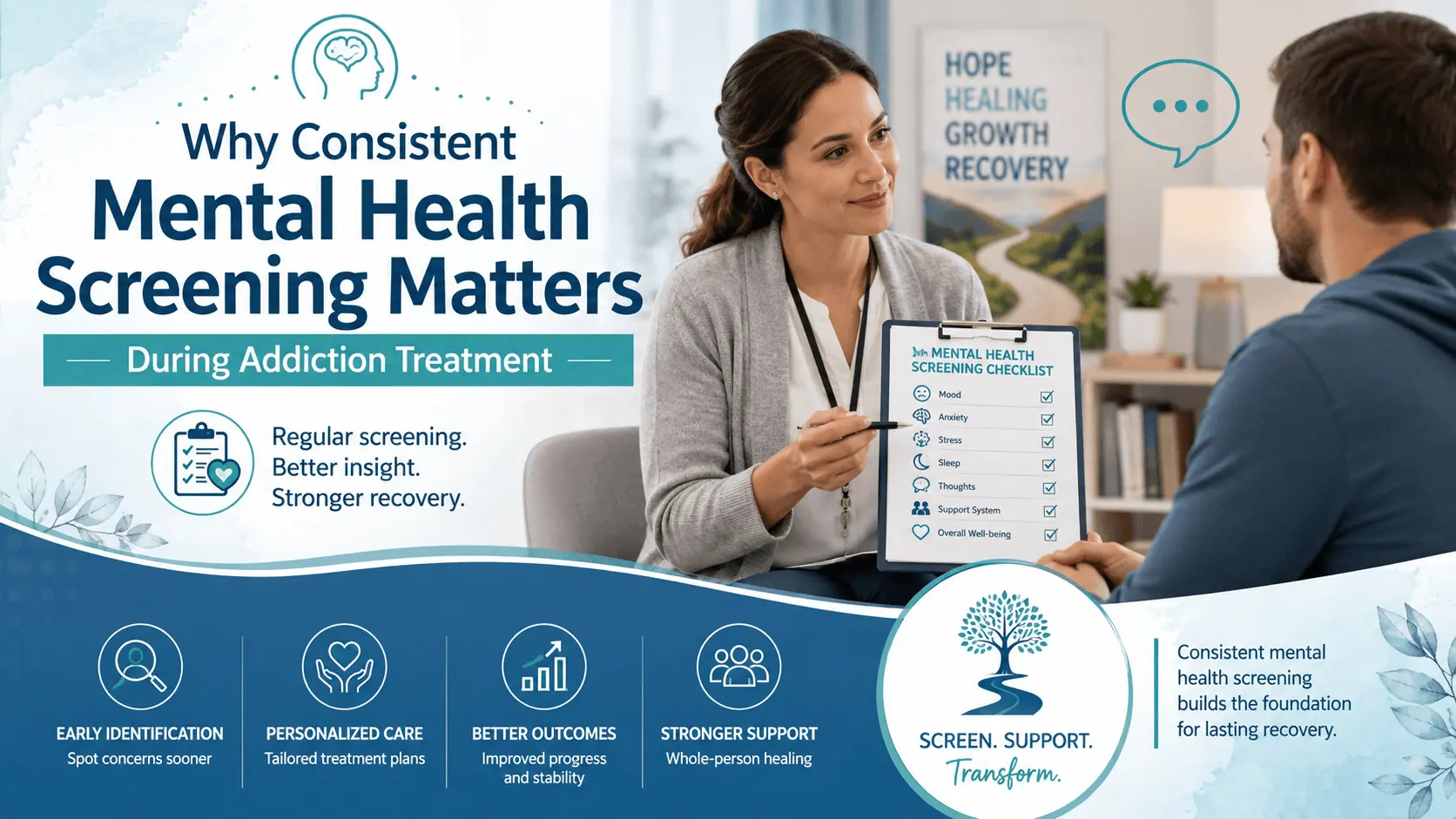
A mental-health screening at the start of addiction treatment can reveal important concerns, but it cannot answer every clinical question in a single conversation.
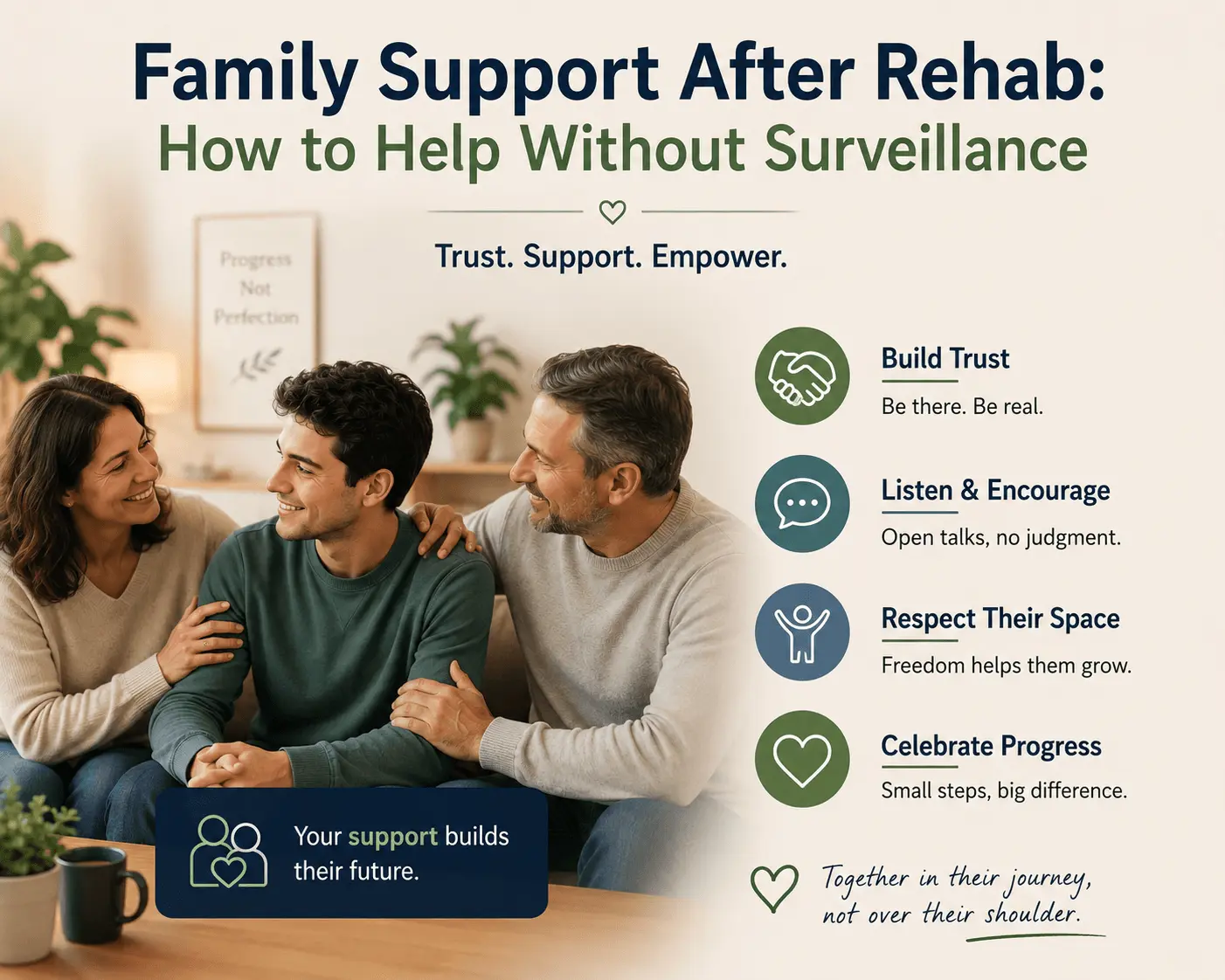
When a loved one returns home after residential behavioral-health treatment, families often feel relief and worry at the same time.
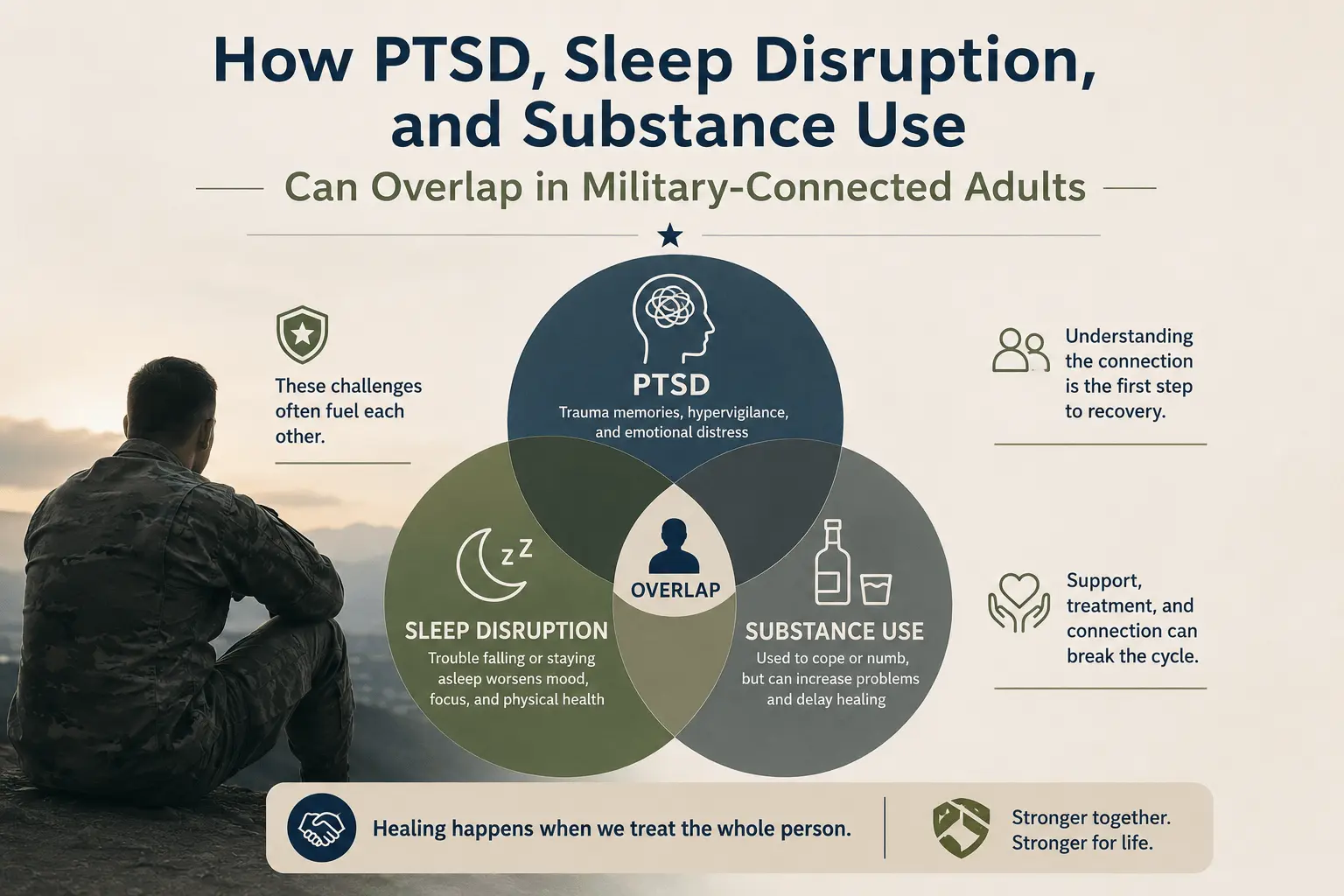
Post-traumatic stress disorder, sleep problems, and substance use can become tightly connected, but the pattern is not the same for everyone.

Virtual behavioral-health treatment can make care easier to access, but convenience alone does not create a therapeutic environment.
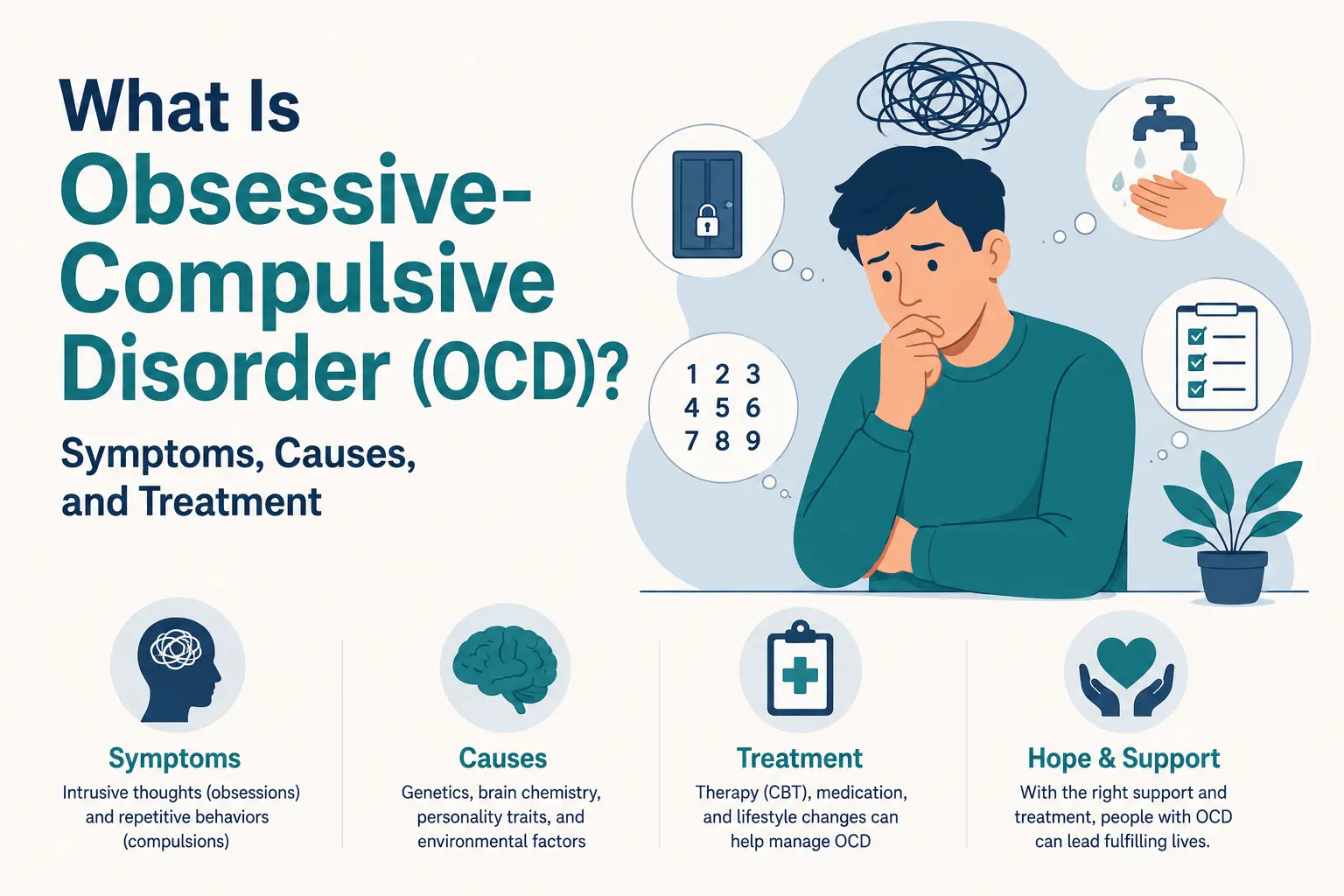
Learn what OCD is, its common symptoms, causes, treatment options, and how it can affect everyday life and relationships.
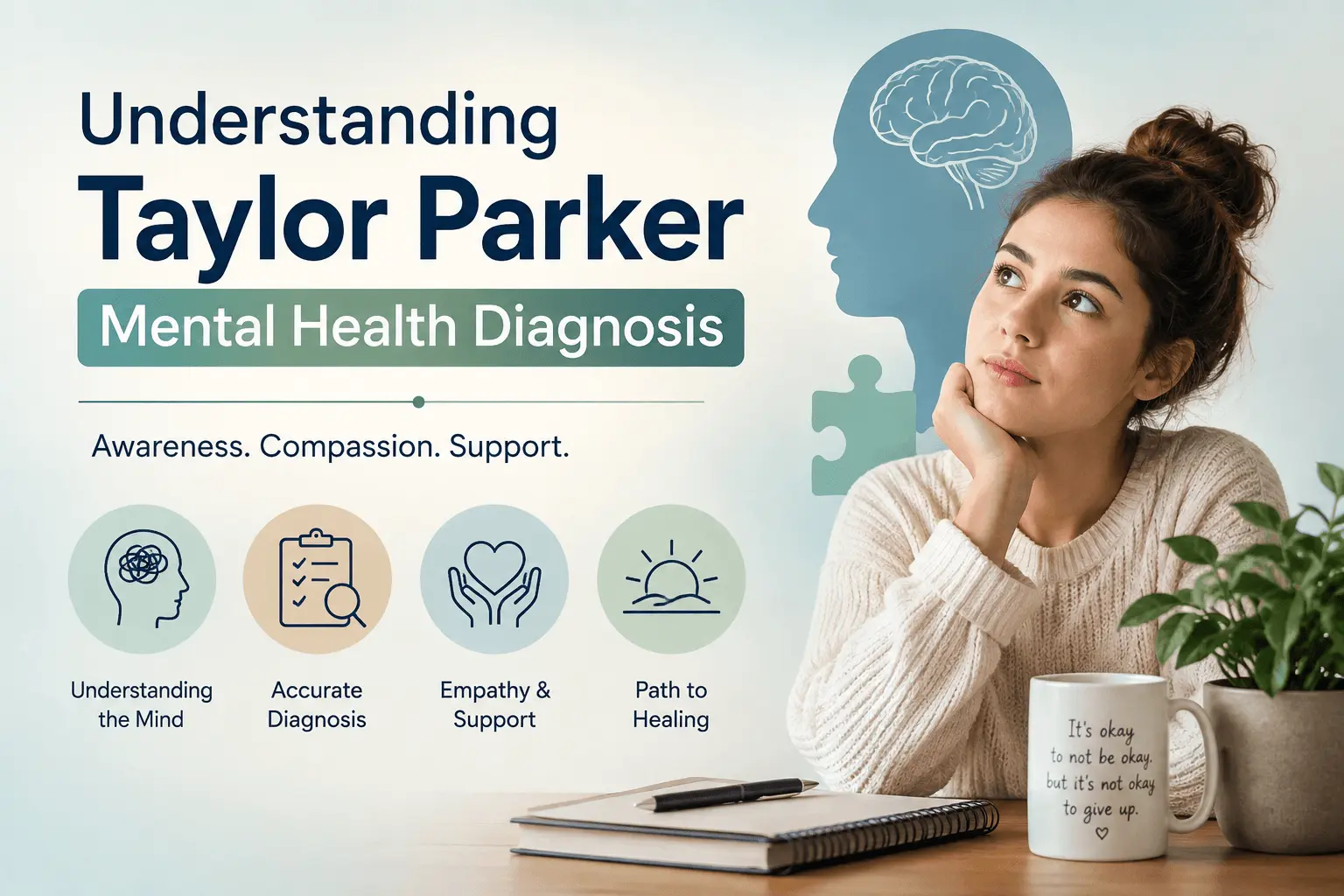
Understanding how mental health diagnoses work can help people separate facts. From assumptions and encourage more responsible conversations about mental well-being.
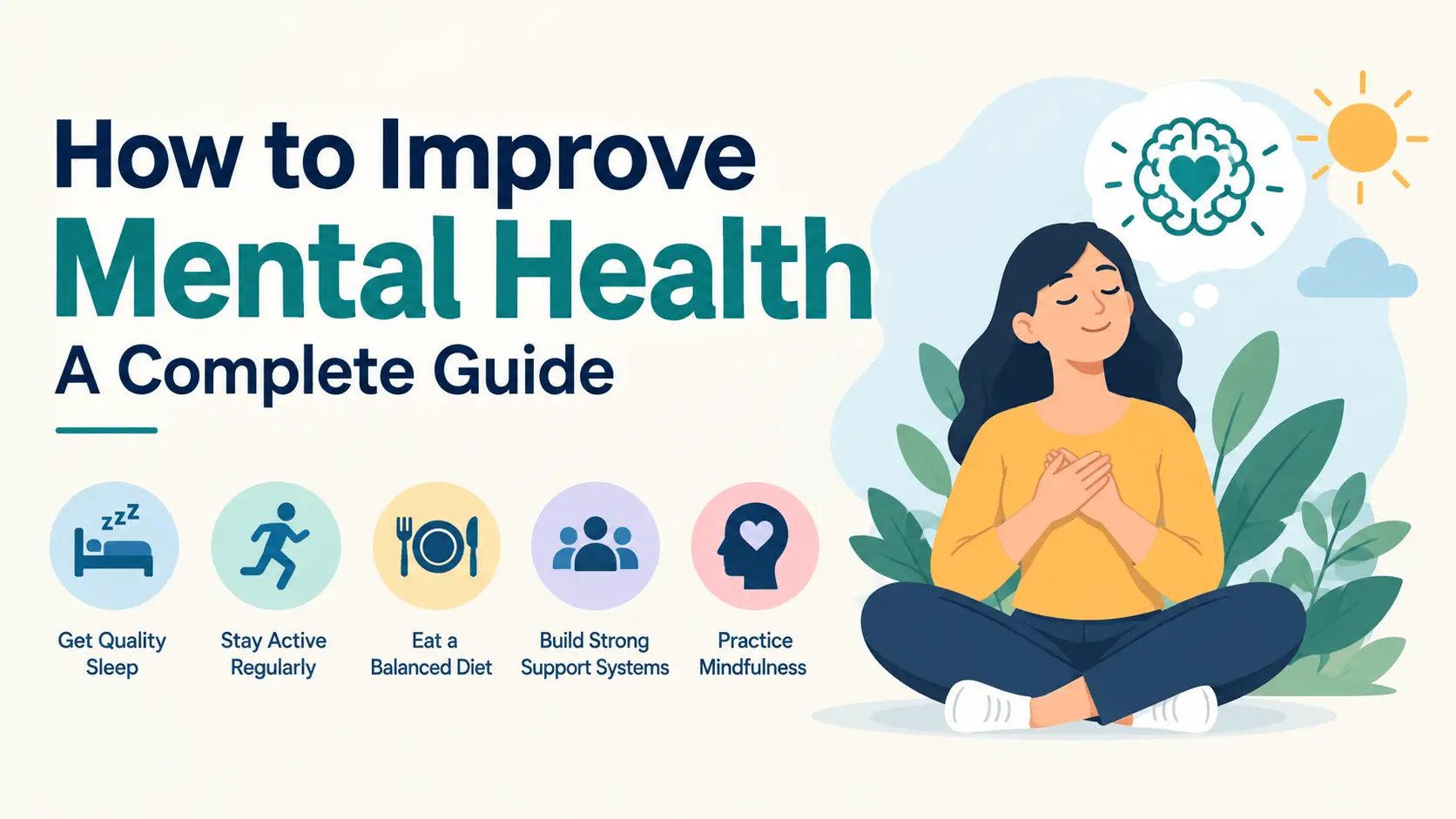
Mental health touches every part of your life. It shapes how you think, how you feel, and how you get through your day.