
Mental health issues can affect thoughts, emotions, behaviour, relationships, and a person's ability to manage everyday activities. Different conditions can cause different symptoms, and their severity can vary considerably between individuals. Some conditions mainly affect mood, while others influence thinking, behaviour, perception, or emotional regulation. Proper assessment by a qualified healthcare professional can help identify the condition and determine appropriate treatment.
Anxiety Disorders
Anxiety disorders involve persistent fear or worry that goes beyond the temporary anxiety people normally experience. Symptoms may include excessive worrying, restlessness, difficulty concentrating, sleep problems, and physical feelings such as tension. Common types include generalized anxiety disorder, panic disorder, social anxiety disorder, and specific phobias. Anxiety can interfere with school, work, relationships, and normal daily activities when symptoms become persistent or severe. Treatment may include psychotherapy, medication, or a combination recommended by a qualified healthcare professional.
Behavioural and Emotional Disorders in Children
Children can experience emotional and behavioural conditions that affect their feelings, learning, relationships, and behaviour at home or school. Common childhood conditions include anxiety disorders, depression, oppositional defiant disorder, conduct disorder, and attention deficit hyperactivity disorder. Occasional difficult behaviour is normal, but persistent or severe symptoms may indicate a condition requiring professional evaluation. Early assessment and treatment can help reduce problems involving education, family relationships, friendships, and healthy emotional development. Treatment approaches may include behavioural therapy, cognitive behavioural therapy, family involvement, and other professional support.
Bipolar Affective Disorder
Bipolar disorder causes significant changes in mood, energy, activity levels, concentration, and a person's ability to function. People may experience manic episodes involving unusually elevated or irritable moods, increased energy, and noticeable changes in behaviour. Depressive episodes can involve sadness, hopelessness, reduced activity, low motivation, and difficulty managing everyday responsibilities. Some people also experience hypomania, which has similar but generally less severe symptoms than a manic episode. Bipolar disorder usually requires ongoing treatment to manage symptoms and support long term quality of life.
Depression
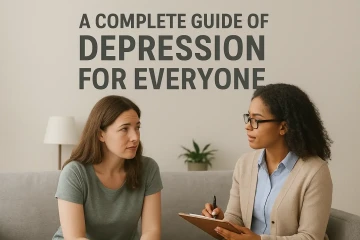
Depression is more than temporary sadness and can significantly affect feelings, thoughts, behaviour, and everyday functioning. Common symptoms include persistent low mood, loss of interest, low energy, sleep changes, concentration difficulties, and feelings of hopelessness. Depression can affect people of different ages and backgrounds and may occur alongside other physical or mental health conditions. Genetic, biological, environmental, and psychological factors can all contribute to the development of depression. Treatment commonly includes psychotherapy, medication, or other approaches recommended according to the individual's needs.
Dissociation and Dissociative Disorders
Dissociation involves feeling disconnected from yourself, your memories, your identity, or the world around you. Symptoms can include memory gaps, feeling detached from your body, or experiencing the surrounding world as unreal. Main dissociative conditions include dissociative amnesia, depersonalisation and derealisation disorder, and dissociative identity disorder. Dissociation may sometimes develop as a way of coping with overwhelming stress or traumatic experiences. Talking therapies are commonly used to address underlying difficulties and help people manage periods of disconnection.
Eating Disorders
Eating disorders are serious mental health conditions involving significant disturbances in eating behaviours and attitudes toward food or body image. Common conditions include anorexia nervosa, bulimia nervosa, binge eating disorder, and avoidant restrictive food intake disorder. These disorders can affect people of different ages, body weights, sexes, and social or cultural backgrounds. Eating disorders can cause serious physical complications and may occur alongside anxiety, depression, or other mental health conditions. Treatment may involve psychotherapy, medical monitoring, nutritional support, medication, or a combination of these approaches.
Obsessive Compulsive Disorder
Obsessive compulsive disorder involves recurring unwanted thoughts called obsessions and repetitive behaviours or mental actions called compulsions. Obsessions may involve fears about contamination, harm, losing control, mistakes, or other unwanted intrusive thoughts. Compulsions can include repeated checking, cleaning, counting, arranging, or other behaviours performed to reduce distress. These symptoms can become time consuming and significantly interfere with work, relationships, education, and everyday activities. Effective treatments can help people manage symptoms and improve daily functioning and overall quality of life.
Paranoia
Paranoia involves persistent suspicion or beliefs that other people intend to harm, deceive, watch, or act against someone. Symptoms may include strong distrust, difficulty relaxing, excessive suspicion, defensiveness, or concerns about other people's hidden motives. Mild paranoid thoughts can occur occasionally, but persistent paranoia may be associated with several mental or physical health conditions. Paranoia can occur with conditions including delusional disorder, schizophrenia, personality disorders, and some mood disorders. Treatment depends on the underlying cause and may include psychological therapy, medication, or other professional support.
Post Traumatic Stress Disorder
Post traumatic stress disorder can develop after experiencing, witnessing, or learning about a traumatic or extremely distressing event. Symptoms may include intrusive memories, nightmares, avoidance, emotional changes, heightened alertness, and continuing feelings of fear or distress. Many people experience temporary emotional reactions after trauma, but these reactions often decrease naturally over time. PTSD may be diagnosed when symptoms continue and significantly interfere with relationships, work, or other areas of daily life. Treatment can help people manage symptoms, process traumatic experiences, and improve their ability to function.
Psychosis
Psychosis affects how a person understands or experiences reality and can significantly change thoughts, perceptions, and behaviour. The main symptoms include hallucinations, delusions, and confused or disorganized patterns of thinking and speaking. Hallucinations involve experiencing things that others do not perceive, such as hearing voices or seeing things. Delusions involve strongly held beliefs that are not supported by evidence or commonly shared by other people. Psychosis can occur with several mental health conditions and requires appropriate professional assessment and treatment.
Schizophrenia
Schizophrenia is a serious mental health condition affecting how a person thinks, feels, perceives reality, and behaves. Symptoms can include hallucinations, delusions, disorganized thinking, reduced emotional expression, low motivation, and difficulty with social interaction. Symptoms often begin during late adolescence or early adulthood, although experiences and severity differ between individuals. Schizophrenia can make everyday activities, relationships, education, and employment more difficult without appropriate treatment and support. Effective treatment can help people manage symptoms, improve functioning, and maintain greater independence and quality of life.
References
- National Institute of Mental Health (NIMH). Mental Health Information and Mental Disorders.
https://www.nimh.nih.gov/health - World Health Organization (WHO). Mental Disorders.
https://www.who.int/news-room/fact-sheets/detail/mental-disorders - National Health Service (NHS). Mental Health Conditions.
https://www.nhs.uk/mental-health/conditions/ - Centers for Disease Control and Prevention (CDC). Mental Health.
https://www.cdc.gov/mental-health/


 Sophie Calder
Comments
Share your thoughts or experience about this article.
Leave a Comment
This was a helpful explanation of mental wellbeing. I especially liked the section about recognizing changes in everyday routines.
I appreciate how this article explains that wellbeing can change over time. The information is clear and easy to understand.
Good article. The reminder about seeking professional support when problems start affecting everyday life is important.