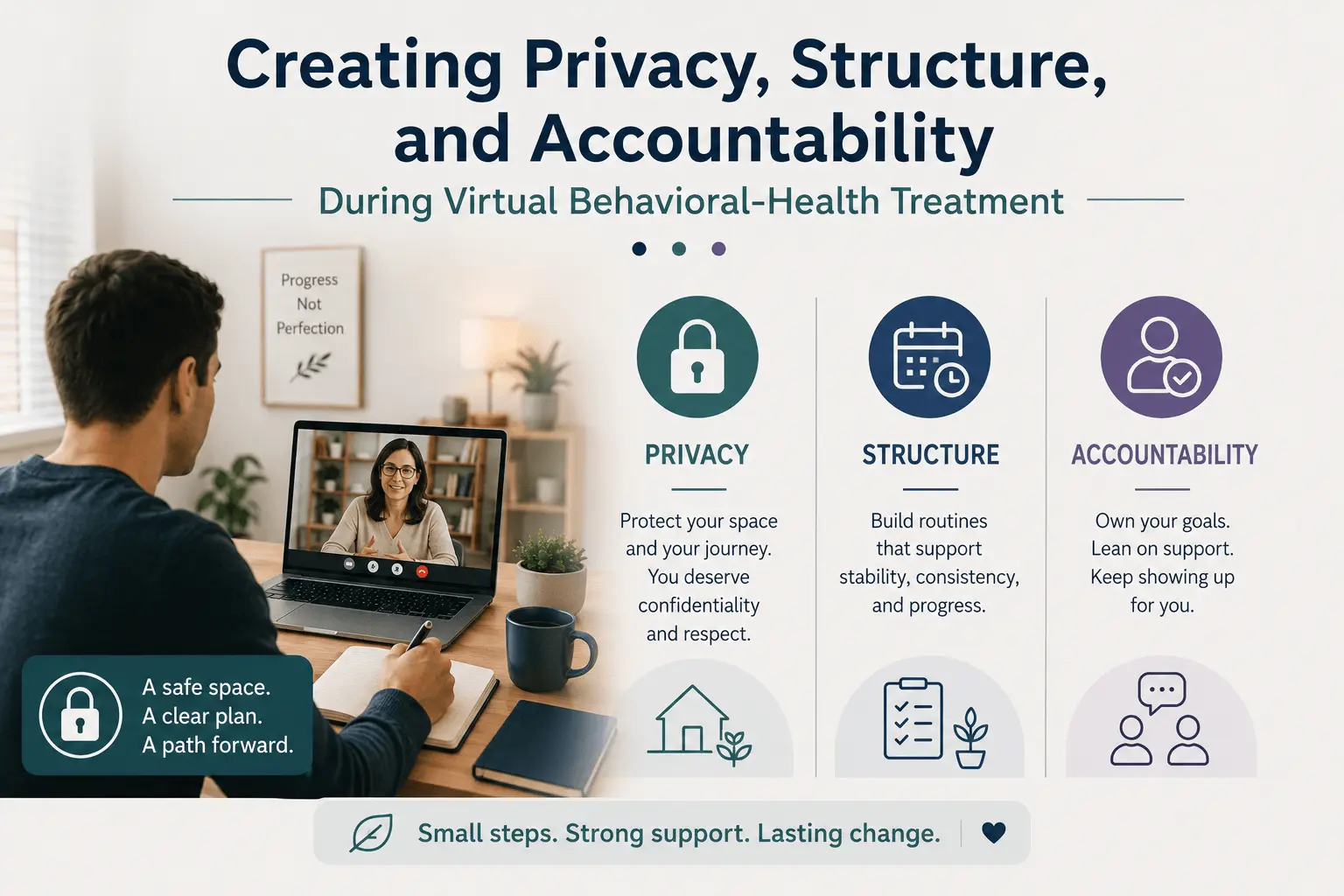

Virtual Behavioral Health: Privacy, Structure & Accountability
Virtual behavioral-health treatment can make care easier to access, but convenience alone does not create a therapeutic environment.
Disclaimer: The information on Gendrics is for educational purposes only and should not replace professional medical advice, diagnosis, or treatment.
Learn about the causes of anxiety and stress. Discover practical techniques to manage them. Discover coping strategies, mindfulness practices, and treatment options. These tools can help you regain control and find peace in your daily life.
Virtual behavioral-health treatment can make care easier to access, but convenience alone does not create a therapeutic environment.
Anxiety is a normal part of adolescence. Exams, friendships, family changes, identity development, and uncertainty about the future can all create stress. For some teenagers, however, anxiety becomes more than occasional worry.
Trauma can influence the way the brain responds to stress, emotions, and perceived threats. For some people, traumatic experiences may also affect patterns of substance use by increasing cravings, encouraging avoidance of painful memories or feelings, and making relapse more likely during periods of distress.
For many adults, attention difficulties, chronic worry, and substance use problems may appear to be separate concerns. In reality, these issues can intersect in complex ways.
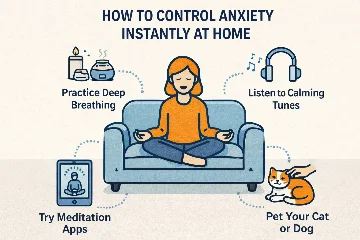
Imagine this: you're at the kitchen table, laptop open for a key video interview. Suddenly, the heart races. Palms sweat. The chest tightens. The room feels smaller. Within seconds, sudden anxiety threatens to derail everything prepared for weeks.
Anxiety impacts millions around the globe. It causes intense worry, physical tension, and constant fear. These feelings can disrupt everyday life. Cognitive behavioral therapy (CBT) is a top treatment for anxiety disorders.
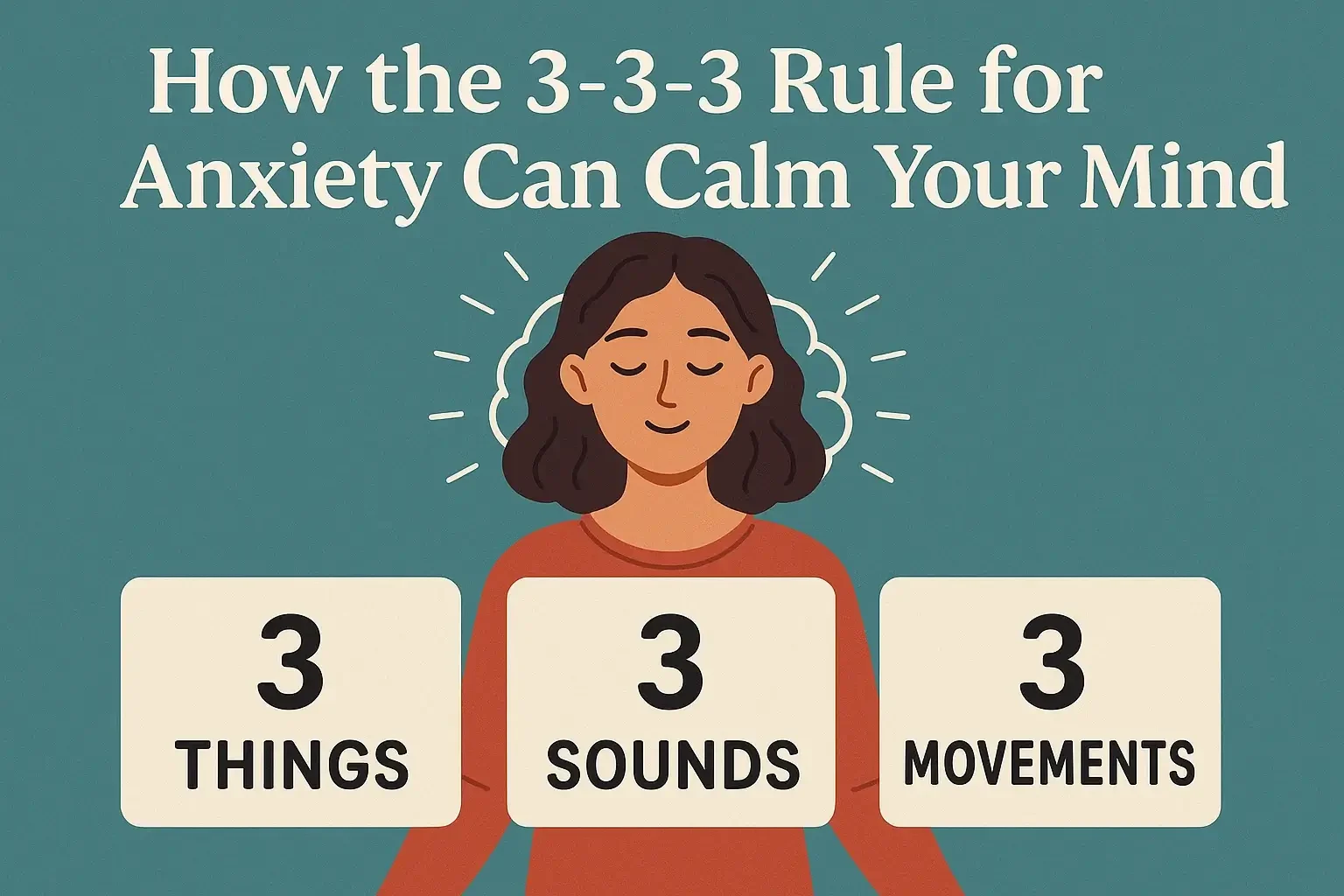
The 3-3-3 Rule is an easy grounding technique. It helps calm anxiety. Just name three things you see, three sounds you hear, and move three body parts. This method uses your senses to bring you back to the present.
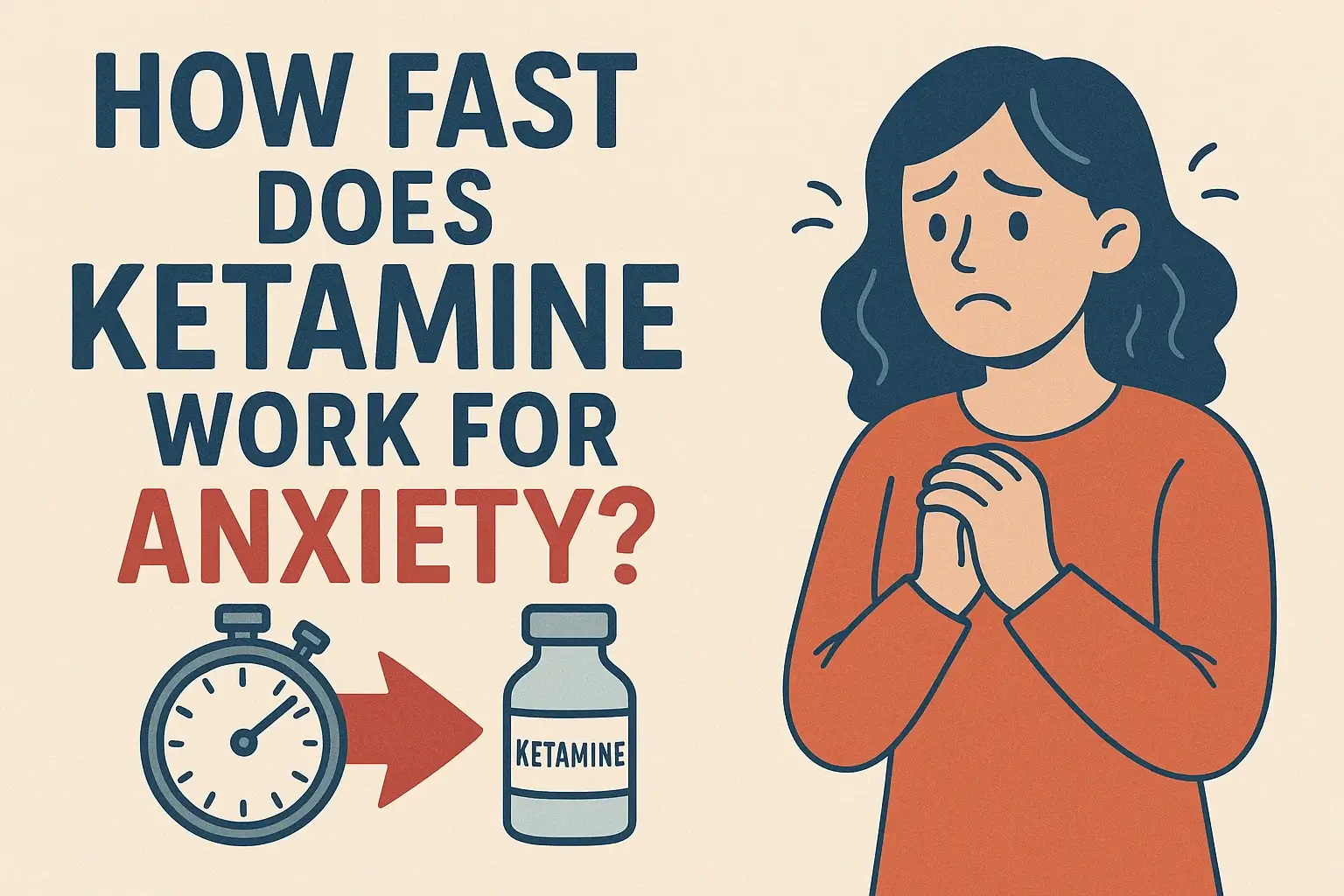
Ketamine usually starts working in 40 minutes to 2 hours. Many patients feel anxiety relief within the first hour. The speed varies by how you administer ketamine. IV infusions work the fastest.
The maximum dose of propranolol for anxiety is usually between 120 mg and 160 mg daily. But individual limits vary based on medical history, symptom severity, and treatment response.
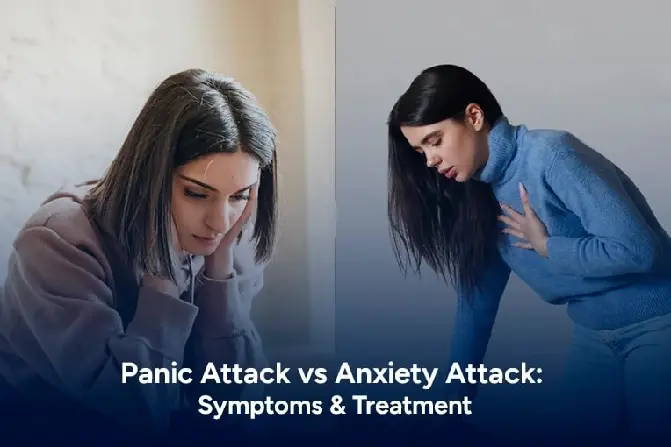
Anxiety attacks develop gradually with worry and tension. Panic attacks happen suddenly. They bring intense fear and strong physical symptoms.
We believe education empowers better health decisions. Understand anxiety well. Know the proven treatment options.
Childhood should be a time for curiosity, play, and growth. But for millions of kids today, anxiety overshadows these years.
Anxiety impacts millions globally. Many people seek relief beyond regular medications.
Anxiety touches millions of lives every single day. You're not alone if your heart races before a big test.