- What Is Anxiety in Children?
- When Does Childhood Anxiety Become a Problem?
- What Are the Common Types of Anxiety Disorders in Children?
- What Are the Signs of Anxiety in Children?
- What Causes Anxiety in Children?
- How Can Parents Help Kids With Anxiety?
- When Should a Child Get Professional Help?
- How Is Anxiety in Children Treated?
- Conclusion
- References
Anxiety is a normal part of childhood, especially during unfamiliar situations or important life changes. However, persistent fear and worry can affect a child's schoolwork, friendships, sleep, and family life.
Understanding anxiety in children helps parents recognize concerning changes and provide appropriate support. This guide explains common signs, possible causes, and practical ways to help children.
What Is Anxiety in Children?
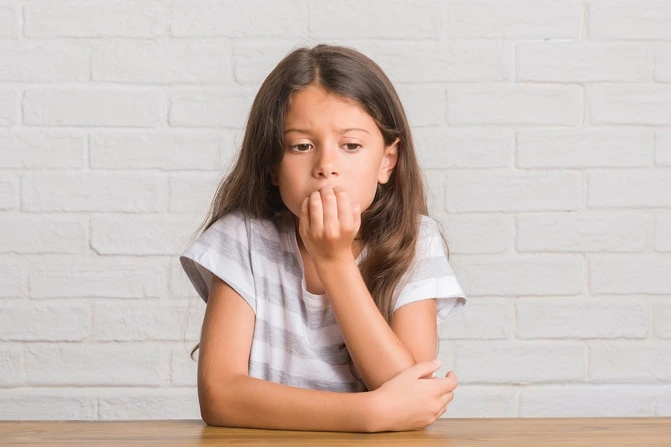
Anxiety is the feeling of fear, worry, or nervousness about something that might happen. Children may experience anxiety before exams, starting school, meeting unfamiliar people, or facing new situations.
These feelings are usually temporary and part of normal development. However, anxiety becomes concerning when it feels overwhelming or interferes with everyday activities.
An anxiety disorder involves persistent or excessive fear that affects a child's ability to function. Children may avoid situations, struggle with relationships, or experience difficulties participating in school activities.
You can also read our complete guide to understanding anxiety for more information about anxiety and its effects.
When Does Childhood Anxiety Become a Problem?
Not every worried child has an anxiety disorder. Occasional fears are common, particularly during unfamiliar experiences and developmental changes.
Concern increases when anxiety becomes intense, continues over time, or affects everyday activities. For example, a child might regularly avoid school because of overwhelming worries.
Other children may stop attending social activities or struggle with ordinary family routines. Parents should consider both how long anxiety lasts and how much it affects daily life.
A healthcare professional can assess these concerns and determine whether further support is needed.
What Are the Common Types of Anxiety Disorders in Children?
Anxiety disorders in children can involve different fears, worries, and avoidance patterns. The following are common types parents should understand.
-
Separation Anxiety Disorder: Children experience intense fear when separated from parents or familiar caregivers. They may resist school attendance or worry something bad will happen to loved ones.
-
Generalized Anxiety Disorder: Children experience excessive worry about several everyday situations. Their concerns may involve school performance, family safety, friendships, or future events.
-
Social Anxiety Disorder: Children feel intense fear about being judged, embarrassed, or rejected by others. They may avoid conversations, classroom participation, or social gatherings.
-
Specific Phobias: Children experience strong fear toward particular objects, animals, or situations. Common examples include dogs, insects, storms, heights, and medical procedures.
-
Panic Disorder: Children experience repeated episodes of sudden, intense fear. These episodes may involve a racing heartbeat, dizziness, shaking, or difficulty breathing.
-
Selective Mutism: Children consistently struggle to speak in certain social situations despite speaking comfortably elsewhere. This difficulty can affect communication at school or around unfamiliar people.
Each condition can affect children differently depending on their age and circumstances. A qualified professional can identify the specific condition through an appropriate assessment.
What Are the Signs of Anxiety in Children?
Anxiety symptoms in children can appear through emotional, physical, and behavioral changes. Younger children may struggle to explain their feelings, making certain signs harder to recognize.
Signs in Younger Children
Anxiety in young children often appears through changes in behavior and physical complaints. Parents may notice signs such as:
-
Becoming unusually clingy or frequently seeking reassurance.
-
Crying easily or becoming irritated during everyday situations.
-
Having difficulty sleeping or experiencing frequent nightmares.
-
Complaining about stomachaches, headaches, or feeling unwell.
-
Avoiding unfamiliar people, places, or activities.
-
Becoming distressed when separated from familiar caregivers.
Signs in Older Children and Teenagers
Older children may understand their worries but struggle to manage them. Common signs of anxiety in children and teenagers include:
-
Constantly worrying about school, friendships, or family situations.
-
Finding it difficult to concentrate or complete everyday tasks.
-
Avoiding social gatherings, classroom activities, or unfamiliar experiences.
-
Experiencing sleep difficulties or noticeable appetite changes.
-
Becoming restless, tense, irritable, or easily overwhelmed.
-
Frequently expecting negative outcomes from ordinary situations.
These signs do not automatically confirm an anxiety disorder. However, persistent changes affecting everyday life deserve attention and appropriate support.
What Causes Anxiety in Children?
There is no single cause of anxiety disorders in children. Several biological, family, and environmental factors may contribute to their development.
Common contributing factors include:
-
Family History: Children with close relatives experiencing anxiety may have a higher likelihood of developing similar difficulties.
-
Stressful Experiences: Bereavement, serious illness, accidents, or major changes can contribute to anxiety.
-
Bullying and Social Pressure: Negative experiences with classmates can increase fear, insecurity, and social avoidance.
-
Family Conflict: Frequent arguments or instability at home may make children feel unsafe or uncertain.
-
School Related Stress: Academic pressure, examinations, and difficulties with friendships can increase childhood worries.
These factors do not mean a child will definitely develop anxiety. Every child responds differently to experiences, circumstances, and individual vulnerabilities.
How Can Parents Help Kids With Anxiety?
Parents play an important role in helping children understand and manage difficult feelings. Small, consistent changes can make everyday situations feel safer and more manageable.
Here are practical ways to help kids with anxiety:
-
Listen Without Judgment: Give children opportunities to explain their worries without dismissing their feelings. Avoid telling them their fears are silly or unnecessary.
-
Offer Reassurance: Acknowledge their feelings and remind them they can ask for support. Avoid repeatedly providing reassurance that unintentionally strengthens their avoidance.
-
Maintain Healthy Routines: Consistent sleep schedules, regular meals, and daily activities can provide stability. Predictable routines may help children feel more comfortable.
-
Encourage Gradual Progress: Help children approach difficult situations through manageable steps. Avoid forcing them into situations that create overwhelming distress.
-
Communicate With Teachers: Discuss concerns with school staff when anxiety affects classroom participation or friendships. Working together can help children receive consistent support.
-
Encourage Healthy Coping Skills: Simple breathing exercises and relaxation activities may help children manage stressful moments. Professional guidance can help identify suitable coping strategies.
The best approach depends on the child's age, experiences, and individual needs. If you want more practical guidance, read our article on anxiety in kids.
When Should a Child Get Professional Help?
Consider professional support when anxiety becomes persistent or starts interfering with everyday activities. Warning signs include repeated school avoidance, social withdrawal, sleep difficulties, or frequent distress.
Parents should also seek guidance when anxiety affects family routines or friendships. A pediatrician or qualified mental health professional can assess the child's concerns.
Professional evaluation is particularly important when symptoms become severe or continue worsening. Early support can help children develop healthier ways to manage anxiety.
How Is Anxiety in Children Treated?
Treatment depends on the child's age, symptoms, circumstances, and individual needs. A qualified professional can recommend an appropriate approach after assessing the child.
Common treatment options include:
Cognitive Behavioral Therapy
Cognitive behavioral therapy helps children understand connections between thoughts, feelings, and behaviors. It teaches practical skills for managing worries and responding differently to difficult situations.
Therapists may also help children gradually face situations they usually avoid. You can learn more about this approach in our guide to cognitive behavioral therapy for anxiety.
Family and Parent Involvement
Parents may participate in treatment by learning supportive communication and behavior management strategies. Family involvement can help children practice new skills outside therapy sessions.
Medication When Recommended
Medication may be considered when anxiety is severe or other treatments provide insufficient improvement. A qualified child mental health specialist should evaluate the potential benefits and risks. Parents should never start, stop, or change a child's medication without medical guidance.
Conclusion
Anxiety is common during childhood, but persistent worries can affect a child's everyday life. Recognizing concerning signs helps parents provide support and seek professional guidance when necessary. With appropriate care, children can develop healthier ways to understand and manage anxiety.
References


 Amna Zaheer