- 1. Practice Slow, Deep Breathing
- 2. Use Grounding Techniques to Calm Your Mind
- 3. Acknowledge Your Feelings and Reassure Yourself
- 4. Relax Your Muscles and Move Your Body
- 5. Challenge Anxious Thoughts
- 6. Shift Your Attention Away From Anxiety
- 7. Connect With Someone You Trust
- What to Do If Anxiety Makes You Shake
- When Should You Seek Professional Help for Anxiety?
- References
Anxiety can make ordinary situations feel overwhelming, especially when worrying thoughts and physical symptoms appear suddenly. Whether you feel restless, experience a racing heartbeat, or struggle to concentrate, finding relief can feel difficult.
Fortunately, several practical techniques can help you manage anxiety and regain a sense of control. These approaches focus on calming your body, redirecting anxious thoughts, and helping you stay present.
Although no technique works instantly for everyone, practicing these strategies can make anxious moments easier to manage.
1. Practice Slow, Deep Breathing
When anxiety increases, breathing can become faster and shallower than usual. This change may contribute to dizziness, muscle tension, and uncomfortable physical sensations.
Slow breathing can help your body settle and reduce the intensity of these reactions. You can practice this technique almost anywhere without needing special equipment.
How to Practice Diaphragmatic Breathing
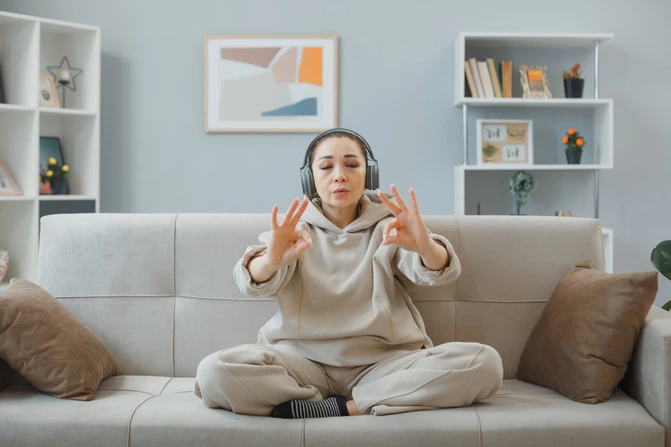
Diaphragmatic breathing involves using your diaphragm instead of relying mainly on your chest muscles. Follow these simple steps:
-
Sit comfortably with your shoulders relaxed and both feet resting on the floor.
-
Place one hand on your chest and another gently over your stomach.
-
Breathe slowly through your nose and allow your stomach to expand naturally.
-
Breathe out gently through your mouth without forcing the air.
-
Continue breathing comfortably for several minutes while maintaining a steady rhythm.
Try Box Breathing to Calm Your Nerves
Box breathing provides a simple rhythm that can help redirect attention during anxious moments. Follow this pattern while keeping each breath comfortable:
-
Breathe in slowly for four seconds.
-
Hold your breath gently for four seconds.
-
Breathe out slowly for four seconds.
-
Pause for four seconds before breathing again.
Repeat the sequence several times without forcing your breathing or creating additional discomfort.
2. Use Grounding Techniques to Calm Your Mind
Anxiety often pulls your attention toward future worries, uncomfortable memories, or imagined situations. Grounding techniques redirect your attention toward your surroundings and present experiences.
One useful approach involves engaging your senses through the 5, 4, 3, 2, 1 method.
-
5 things you can see: Notice objects, colors, shapes, or other details around you.
-
4 things you can feel: Identify physical sensations, such as clothing or your feet touching the floor.
-
3 things you can hear: Listen carefully to nearby conversations, traffic, or other background sounds.
-
2 things you can smell: Notice familiar scents around you or nearby objects.
-
1 thing you can taste: Pay attention to the taste currently present in your mouth.
Take your time with each step instead of rushing through the exercise. This simple practice can help bring your attention away from overwhelming thoughts.
3. Acknowledge Your Feelings and Reassure Yourself
Trying to suppress anxiety can sometimes make uncomfortable feelings harder to manage. Instead, acknowledge what you are experiencing without criticizing yourself.
Recognizing your emotions can help you understand your reactions and respond more thoughtfully.
Identify What You Are Feeling
Pause briefly and identify the emotion currently affecting your thoughts or physical sensations. Ask yourself whether you feel nervous, frightened, overwhelmed, frustrated, or uncertain.
Consider whether something specific triggered these feelings or whether they appeared unexpectedly. Understanding your emotional response can make the situation feel less confusing.
Remind Yourself That Anxiety Will Pass
During anxious moments, your thoughts may suggest that something terrible is about to happen. Remind yourself that uncomfortable feelings do not automatically indicate actual danger.
Try repeating a reassuring statement that feels believable and supportive. For example, tell yourself, "I am feeling anxious, but I can handle this moment."
You do not need to eliminate every uncomfortable feeling before continuing your day. Allowing emotions to settle naturally can make anxious experiences easier to manage.
4. Relax Your Muscles and Move Your Body
Anxiety can cause physical tension, particularly around your shoulders, neck, jaw, and hands. Relaxing these muscles may help reduce discomfort and improve your sense of physical calm.
Try Progressive Muscle Relaxation
Progressive muscle relaxation involves gently tensing and releasing different muscle groups throughout your body.
Start with your feet and gently tighten the muscles for several seconds. Release the tension slowly and notice the difference between tightness and relaxation.
Gradually repeat this process with your legs, stomach, shoulders, hands, and facial muscles. Avoid tightening any area that feels painful or uncomfortable.
Take a Short Walk or Stretch Gently
Gentle movement can help redirect attention away from anxious thoughts and release physical tension. Try walking around your home, stretching your shoulders, or stepping outside briefly.
You do not need an intense workout to benefit from physical activity. Choose comfortable movements that suit your current energy and physical condition.
5. Challenge Anxious Thoughts
Anxiety can make uncertain situations appear more threatening than available evidence actually suggests. You might repeatedly imagine negative outcomes without considering other possibilities.
Cognitive techniques can help you examine these thoughts and develop more balanced responses.
Start by identifying the thought responsible for your current worry. Then ask yourself these questions:
-
What evidence supports this particular thought?
-
Am I assuming something negative without enough information?
-
Is there another possible explanation for this situation?
-
What would I tell someone experiencing the same worry?
For example, you might think that one mistake will ruin an important presentation. A more balanced thought recognizes that mistakes happen and preparation can help.
Persistent rumination can also keep negative thoughts active and make emotional distress harder to manage. Understanding repetitive thinking patterns can help explain why some worries become difficult to control.
6. Shift Your Attention Away From Anxiety
Constantly monitoring uncomfortable sensations can sometimes make anxiety feel more overwhelming. Redirecting your attention toward another activity may interrupt this cycle.
Use Guided Imagery or Visualization
Visualization involves imagining a peaceful place and focusing on its sensory details. Choose somewhere familiar, such as a quiet beach, garden, or comfortable room.
Imagine the sounds, colors, temperatures, and other details associated with that environment. Continue breathing comfortably while allowing your attention to remain there.
Listen to Calming Music or Try a Simple Activity
Music can provide a helpful distraction when anxious thoughts become difficult to manage. Choose familiar songs that make you feel comfortable rather than overwhelmed.
You can also try drawing, reading, organizing something, or completing another simple activity. Focus on the task instead of repeatedly checking how anxious you feel.
7. Connect With Someone You Trust
Anxiety can make you feel isolated, particularly when uncomfortable thoughts become difficult to explain. Talking with someone you trust can provide emotional support and reassurance.
You do not need to explain everything perfectly or find immediate solutions. Simply describing your feelings can help you feel heard and understood.
If speaking feels difficult, consider sending a message or sitting quietly with someone. Choose a person who listens without judging or dismissing your experiences.
What to Do If Anxiety Makes You Shake
Shaking, trembling, and shaky hands can sometimes occur during intense anxiety. These symptoms may develop when your body's natural stress response becomes activated.
Adrenaline can contribute to muscle tension, trembling, sweating, and a faster heartbeat. Although these sensations can feel frightening, anxiety is not the only possible explanation.
If you experience anxiety related shaking, try these practical steps:
-
Sit somewhere comfortable and allow your body to settle.
-
Breathe slowly and gently without taking unnecessarily deep breaths.
-
Relax your hands, shoulders, and other tense muscle groups.
-
Place your feet firmly on the floor and notice physical sensations.
-
Move away from overwhelming situations when doing so feels safe.
Avoid repeatedly checking your shaking, as this may increase attention toward uncomfortable sensations. Seek medical advice when trembling is new, persistent, unexplained, or accompanied by concerning symptoms.
When Should You Seek Professional Help for Anxiety?
Occasional anxiety is a common response to uncertainty, pressure, and challenging situations. However, recurring anxiety deserves attention when it begins interfering with everyday activities.
Consider speaking with a mental health professional when you experience:
-
Frequent anxiety that becomes difficult to manage independently.
-
Persistent worrying that interferes with sleep or concentration.
-
Avoidance of everyday situations because of overwhelming fear.
-
Repeated panic episodes that affect your normal activities.
-
Difficulty maintaining relationships, work responsibilities, or personal routines.
Psychotherapy, particularly cognitive behavioral therapy, can help people understand and manage unhelpful thinking patterns. A qualified professional can recommend appropriate treatment based on individual symptoms and circumstances.
If symptoms are severe or new physical symptoms suggest a medical emergency, seek urgent medical assessment. Do not automatically assume chest pain, breathing difficulties, or fainting are caused by anxiety.
References


 Amna Zaheer