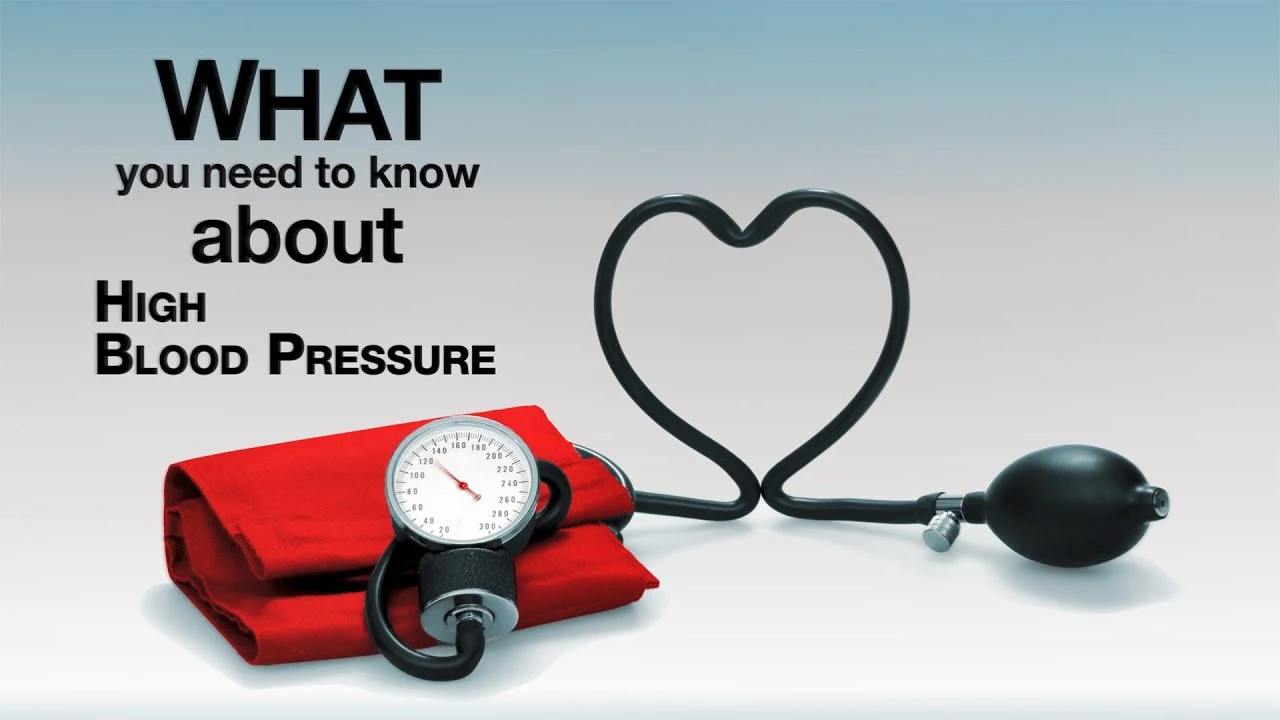
High blood pressure can develop without noticeable symptoms, so many people do not realize they have it. The most reliable way to know is to measure your blood pressure using a suitable monitor. [1]
Blood pressure checks help identify potential problems early and allow healthcare professionals to recommend appropriate treatment when necessary. Understanding your readings can help you take informed steps toward protecting your long term health.
What Are the Signs of High Blood Pressure?
Most people with high blood pressure do not experience obvious warning signs. You can have elevated readings even when you feel completely healthy. [1, 2]
Some people with severely elevated blood pressure may experience symptoms such as:
-
Severe headache
-
Blurred vision or other changes in vision
-
Chest pain
-
Shortness of breath
-
Confusion or neurological changes
These symptoms do not automatically mean you have high blood pressure, and their absence does not rule it out. Never rely on symptoms alone to determine whether your blood pressure is high.
How Can You Tell If Your Blood Pressure Is High?
The most reliable method is to check your blood pressure with a validated upper arm monitor or have a healthcare professional measure it. [1, 3]
A blood pressure reading contains two numbers, written as systolic over diastolic pressure. The systolic number measures pressure when your heart beats, while the diastolic number measures pressure between heartbeats.
What Do Blood Pressure Numbers Mean?
For adults in the United States, the American Heart Association uses these categories: [2]
| Category | Systolic number | Diastolic number |
|---|---|---|
| Normal | Below 120 | Below 80 |
| Elevated | 120 to 129 | Below 80 |
| High blood pressure, Stage 1 | 130 to 139 | 80 to 89 |
| High blood pressure, Stage 2 | 140 or higher | 90 or higher |
| Severe hypertension | Higher than 180 and/or higher than 120 |
When either number falls into a higher category, your reading may be classified according to that category. These ranges help guide assessment, but one reading alone does not establish a diagnosis.
Blood pressure thresholds can differ between clinical guidelines and measurement settings. A healthcare professional can interpret your readings and determine whether further checks are needed.
How to Check Your Blood Pressure at Home
Home monitoring can help you understand your blood pressure readings over time. Follow these steps for a more accurate measurement. [3]
-
Avoid caffeine, smoking, and exercise for at least 30 minutes before measuring.
-
Empty your bladder and sit quietly for at least five minutes.
-
Sit with your back supported and both feet flat on the floor.
-
Place the cuff on your bare upper arm, following the monitor instructions.
-
Rest your arm on a surface at heart level and avoid talking.
-
Take two readings about one minute apart and record both results.
Measure your blood pressure at consistent times and follow your healthcare professional's advice about monitoring frequency. Bring your recorded readings to appointments so your healthcare professional can review patterns over time.
What Should You Do If Your Blood Pressure Is High?
If your reading is higher than usual, remain seated and repeat the measurement after resting. A single high result does not always mean you have persistent hypertension. [2, 3]
If your readings remain elevated across repeated checks, arrange an appointment with a healthcare professional. They can assess your results, review risk factors, and recommend appropriate next steps.
If your blood pressure is higher than 180 systolic and/or 120 diastolic, wait at least one minute and measure again. If it remains that high, contact a healthcare professional immediately.
Call emergency services immediately if a reading this high occurs with chest pain, shortness of breath, weakness, numbness, vision changes, or difficulty speaking. Do not delay emergency care while waiting for another reading. [2]
Can Stress or Anxiety Raise Blood Pressure?
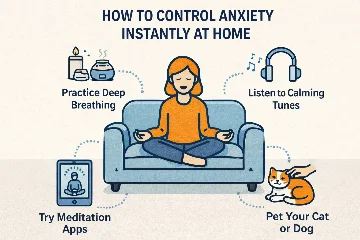
Stress and anxiety can temporarily increase blood pressure because they activate the body's stress response. However, feeling anxious does not prove that you have hypertension.
Nervousness during a medical appointment can also produce a temporarily higher reading, sometimes called white coat hypertension. Repeated measurements at home and professional assessment can help clarify whether your blood pressure remains elevated. [3]
If anxiety is affecting your daily life, consider discussing it with a qualified healthcare professional. Managing stress can support overall well being, but it does not replace blood pressure monitoring or prescribed treatment.
Final Thoughts
You cannot reliably tell whether your blood pressure is high by how you feel. Measuring it correctly and reviewing repeated readings with a healthcare professional are the best ways to identify hypertension.
Regular checks can help detect high blood pressure before complications develop. If your readings are repeatedly high, seek professional advice rather than relying on symptoms or attempting self diagnosis.
Medical disclaimer: This article is for educational purposes only and does not replace professional medical advice, diagnosis, or treatment.
References
1. Centers for Disease Control and Prevention (CDC). Measuring Your Blood Pressure. Guidance on accurate measurement and home monitoring.
2. American Heart Association. What Are the Signs and Symptoms of High Blood Pressure?. Information about symptoms, diagnosis, and blood pressure categories.
3. American Heart Association. Home Blood Pressure Monitoring. Instructions for accurate home measurements and interpreting readings.
4. NHS. Blood Pressure Test. Explains blood pressure testing, readings, and diagnosis.
5. Centers for Disease Control and Prevention (CDC). About High Blood Pressure. Overview of hypertension, its health risks, and blood pressure ranges.

 Sophie Calder