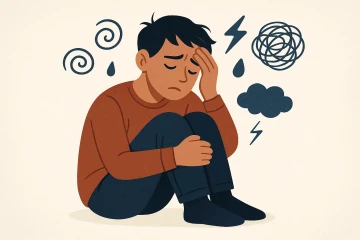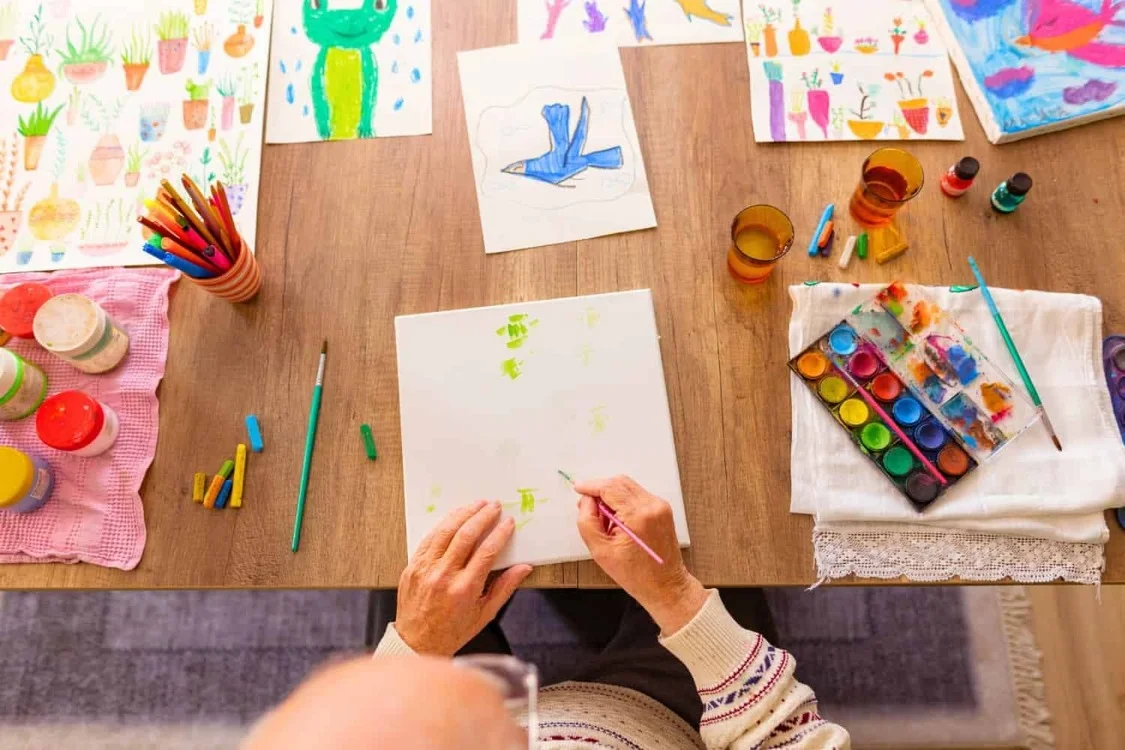
Art therapy can provide a creative way to explore emotions, manage stress, and improve self awareness. You do not need professional artistic skills to benefit from creative expression. Drawing, painting, collage, and sculpting can help people communicate feelings that feel difficult to explain.
Formal art therapy is guided by a trained professional and can support people with different mental health concerns. Simple creative activities can also become useful self care practices when used safely.
Research suggests that visual art therapy may support improvements in depression, anxiety, psychological wellbeing, and other mental health outcomes. However, researchers also note differences in study quality and treatment methods.
How Art Therapy Can Support Mental Health
Art therapy uses creative activities to support emotional expression and personal reflection. The process can give people another way to explore thoughts and feelings.
Emotional Expression
Art can make difficult emotions easier to express without relying entirely on spoken language. Colors, shapes, images, and textures can represent feelings that words cannot easily describe.
Creating something also provides time to pause and notice what you are experiencing. This can encourage greater emotional awareness and self-reflection.
Stress and Anxiety Management
Creative activities can encourage focused attention and provide a break from stressful thoughts. Simple drawing, coloring, or painting may help create a calmer mental space.
Research on visual art therapy has found potential benefits for anxiety and depression symptoms. However, art therapy should be considered a complementary approach rather than a replacement for needed treatment.
Self Awareness
Art can help people notice recurring emotions, thoughts, experiences, and personal concerns. Looking back at creative work may reveal patterns that were previously difficult to recognize.
This process can support conversations with a mental health professional when deeper concerns need attention.
Mindfulness and Coping
Many creative activities require attention to the present moment. Focusing on colors, lines, textures, or shapes can temporarily shift attention away from stressful thoughts.
Regular creative practice may also provide a healthy coping activity during difficult periods.
10 Art Therapy Ideas for Mental Health
The following activities can encourage emotional expression, reflection, mindfulness, and creative exploration. Choose activities based on your comfort level and current emotional needs.
1. Mandala Drawing
Create a circular design using repeated shapes, lines, patterns, or colors. You can begin with a simple circle and gradually fill the space.
Focus on the process instead of creating a perfect design. Repetitive drawing can provide structure when your thoughts feel scattered.
You can also choose colors based on your current mood. After finishing, briefly notice how you felt during the activity.
2. Emotion Wheel
Draw a large circle and divide it into several sections. Write different emotions inside the sections and choose colors that represent each feeling.
You can make the activity more personal by adding drawings or symbols. Consider which emotions feel strongest and what may have influenced them.
This activity can help develop a clearer emotional vocabulary. It can also make complicated feelings easier to discuss with others.
3. Art Journaling
Use a notebook to combine writing, drawing, coloring, and other creative forms. Start with a simple prompt such as, “What am I feeling today?”
You can write a few sentences before adding colors, shapes, or images. There is no required format or artistic standard.
Art journaling can become a private space for regular emotional reflection. Reviewing previous pages may also help you notice changes in your mood.
4. Collage Making
Collect pictures, words, colors, and patterns from magazines or printed materials. Arrange them on paper according to a particular emotion, experience, goal, or theme.
For example, create a collage showing what safety means to you. You can also create one representing your current emotions.
Collage activities can be useful when drawing or painting feels uncomfortable. Choosing existing images can make emotional expression feel more accessible.
5. Self Portrait
Create a self portrait that represents how you currently see yourself. It does not need to look realistic or technically accurate.
You can use colors, symbols, objects, or abstract shapes to represent different parts of yourself. Consider adding words that describe your current identity.
The goal is reflection rather than artistic quality. This activity may encourage greater awareness of emotions, identity, and personal experiences.
6. Safe Place Drawing
Imagine a place where you feel calm, comfortable, or protected. Draw that place using any colors, shapes, or materials you prefer.
Your safe place can be real, imaginary, or a combination of both. Add details that make the environment feel peaceful and secure.
This activity can provide a grounding exercise when emotions feel overwhelming. Stop the activity if it increases distress or brings up difficult memories.
7. Clay Sculpting
Use clay to create a shape representing an emotion, experience, or personal concern. You can make something simple without planning the final result.
Kneading, pressing, rolling, and shaping clay can provide a tactile creative experience. You can also reshape the material whenever you want.
Try creating a physical representation of stress, anger, sadness, or hope. Afterwards, describe what the finished object means to you.
8. Abstract Painting
Choose several colors and paint without trying to create a specific object. Allow lines, shapes, textures, and colors to develop naturally.
You can begin by choosing colors that match your current mood. Notice whether your choices change while you continue painting.
Abstract painting can provide an open way to express emotions. It can also help people who feel limited by realistic drawing.
9. Body Mapping
Draw an outline of your body on a large piece of paper. Use different colors or symbols to show where you notice emotions or physical sensations.
For example, you might use red around areas that feel tense. You could use blue around areas associated with calmness.
Body mapping can encourage awareness of connections between emotions and physical sensations. Keep the activity gentle if certain sensations feel uncomfortable.
10. Guided Visualization and Drawing
Begin with a short relaxation or visualization exercise. Imagine a particular place, memory, goal, or feeling before putting your impressions onto paper.
You can draw anything that appeared during the visualization. There is no need to create a realistic picture.
Afterward, consider what you noticed during the activity. Deeper emotional or trauma related material is better explored with professional support.
Which Art Therapy Activity Is Right for You?
The best activity depends on your emotional needs, comfort level, and available materials. You do not need to complete every activity to benefit.
Choose structured activities when you want clear guidance and direction. Mandalas and emotion wheels can work well when open ended creativity feels difficult.
Choose more flexible activities when you want greater emotional freedom. Painting, collage making, and art journaling allow more personal expression.
Consider your available time and supplies before starting. Paper, pencils, colored markers, magazines, and basic paints are enough for many activities.
Most importantly, focus on the creative process rather than the final artwork. There is no correct way to make your personal artwork.
Simple Art Therapy Activities to Try at Home
You can include short creative practices in your regular self care routine. These activities require limited preparation and can take only a few minutes.
Color Based Mood Tracking
Choose one or more colors that represent your mood each day. Draw a small shape or pattern using those colors.
Continue the practice for several days and compare your drawings. You may notice patterns in your emotions and daily experiences.
Five Minute Gratitude Art
Choose something you appreciate and represent it through a quick drawing or simple coloring activity. Keep the exercise short and uncomplicated.
You can draw a person, place, memory, object, or experience that brings positive feelings. The purpose is to pause and recognize something meaningful.
Mindful Doodling
Take a piece of paper and draw simple lines, circles, shapes, or patterns. Focus your attention on the movement of your hand.
Do not worry about creating recognizable images. Let the drawing develop naturally while keeping your attention on the present moment.
Creative Check In
Spend five minutes drawing how you feel right now. Use any colors, shapes, words, or images that seem appropriate.
After finishing, write one sentence describing your emotional state. This simple routine can encourage regular self awareness.
Is Art Therapy Safe to Practice on Your Own?
Many simple creative activities can be used as self care without professional guidance. However, personal creative practice is not the same as formal art therapy.
Formal art therapy involves therapeutic goals and professional guidance. A trained art therapist can help people explore difficult emotions while maintaining appropriate emotional boundaries.
Research organizations also emphasize that evidence for art therapy varies across conditions and study designs. More high quality research is still needed for some uses.
Be cautious when creative activities bring up intense memories, trauma, or overwhelming emotions. Pause the activity and consider professional support if you feel unable to manage those reactions.
Art activities should complement appropriate mental health care rather than replace professional assessment or treatment.
Conclusion
Art therapy ideas can provide simple ways to explore emotions, practice mindfulness, and support mental wellbeing. Activities such as mandala drawing, collage making, and art journaling are easy starting points.
The goal is not to create beautiful artwork or achieve perfect results. The value comes from giving yourself space to create, reflect, and understand your experiences.
If creative activities bring up difficult emotions, consider working with a qualified mental health professional. Art can support mental health, but it should complement appropriate professional care when needed.
References
- Joschko R, Klatte C, Grabowska WA, et al. Active Visual Art Therapy and Health Outcomes: A Systematic Review and Meta Analysis. JAMA Network Open, 2024.
- Han B, Jia Y, Hu G, et al. The Effects of Visual Art Therapy on Adults with Depressive Symptoms: A Systematic Review and Meta Analysis. International Journal of Mental Health Nursing, 2024.
- British Association of Art Therapists. Evidence for Art Therapy.
- British Association of Art Therapists. About Our Evidence Pages.


 Amna Irshad