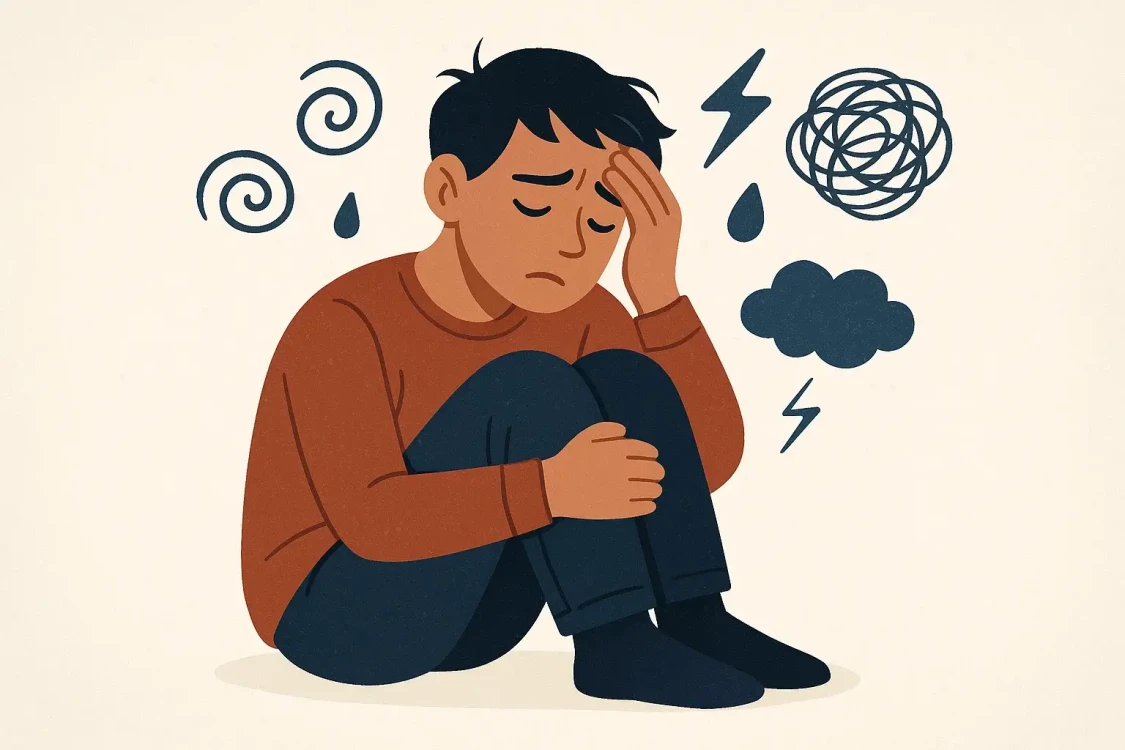
Mental health problems do not always begin with obvious symptoms. Small changes in emotions, behavior, sleep, and thinking can appear gradually.
These changes may seem like ordinary stress or temporary mood swings. However, persistent changes can sometimes indicate underlying mental health concerns.
Recognizing these warning signs helps people understand when professional support might be needed. Early attention can make it easier to address concerns before they seriously affect everyday life.
What Are the Early Signs of Mental Health Issues?
Early signs of mental health issues can affect how people feel, think, behave, and function. These changes may appear differently depending on someone's circumstances and overall mental health.
Some people experience emotional difficulties, while others notice physical or behavioral changes first. Recognizing several changes together can help identify when someone needs additional support.
Emotional Changes
Emotional changes can affect how someone responds to everyday situations and personal relationships. These changes may become noticeable when feelings persist or seem unusually intense.
Common emotional warning signs include:
-
Persistent sadness: Feeling unusually sad, hopeless, or empty for extended periods without improvement.
-
Frequent mood swings: Experiencing sudden emotional changes that interfere with relationships or daily activities.
-
Increased irritability: Becoming unusually angry, frustrated, or sensitive during ordinary conversations and situations.
-
Excessive anxiety: Experiencing persistent worry or fear that makes everyday responsibilities difficult to manage.
-
Loss of interest: Losing enjoyment in hobbies, activities, or relationships that previously felt meaningful.
These emotional changes deserve attention when they continue affecting someone's daily experiences. They may indicate emotional distress that requires further assessment.
Behavioral Changes
Changes in everyday behavior can sometimes reveal mental health difficulties before someone discusses their feelings. Friends and family members may notice these differences through regular interactions.
Common behavioral warning signs include:
-
Social withdrawal: Avoiding friends, family gatherings, phone calls, or previously enjoyable social activities.
-
Changes in daily routines: Neglecting personal hygiene, responsibilities, or activities that previously received regular attention.
-
Declining performance: Experiencing unexpected difficulties completing school assignments, workplace tasks, or household responsibilities.
-
Increased substance use: Relying more frequently on alcohol or drugs to manage uncomfortable feelings.
These behavioral changes can affect relationships, responsibilities, and overall quality of life. Paying attention to noticeable differences can help someone recognize when support becomes necessary.
Physical Changes
Mental health difficulties can also affect physical well-being in several noticeable ways. These symptoms may develop alongside emotional changes or appear independently.
Common physical warning signs include:
-
Persistent fatigue: Feeling unusually tired despite getting sufficient rest and maintaining regular sleep schedules.
-
Sleep disturbances: Experiencing difficulty falling asleep, waking frequently, or sleeping considerably longer than usual.
-
Appetite changes: Eating significantly more or less than usual, sometimes resulting in noticeable weight changes.
-
Unexplained physical discomfort: Experiencing recurring headaches, muscle tension, stomach problems, or other unexplained aches.
Physical symptoms can have several causes, including medical conditions and lifestyle factors. A healthcare professional can help identify their underlying causes and recommend appropriate support.
Cognitive Changes
Cognitive changes affect how people process information, concentrate, remember things, and understand situations. These difficulties can interfere with everyday decisions and responsibilities.
Common cognitive warning signs include:
-
Difficulty concentrating: Struggling to maintain attention during conversations, reading, studying, or workplace activities.
-
Memory problems: Forgetting familiar information, missing appointments, or struggling to remember everyday responsibilities.
-
Confused thinking: Having difficulty organizing thoughts, understanding situations, or making ordinary decisions.
-
Unusual thoughts or perceptions: Experiencing hallucinations, strongly held unusual beliefs, or difficulty distinguishing reality.
Some cognitive changes require prompt professional assessment, particularly when reality becomes difficult to distinguish. Sudden confusion may also require urgent medical evaluation.
When Should You Seek Professional Help?
Not every emotional or behavioral change indicates a mental health condition. However, persistent symptoms deserve attention when they interfere with everyday responsibilities or relationships.
Consider seeking professional guidance when:
-
Symptoms continue for several weeks without noticeable improvement.
-
Emotional changes interfere with work, education, or personal relationships.
-
Sleep, appetite, or energy levels change significantly.
-
Everyday responsibilities become increasingly difficult to manage.
-
Several warning signs appear together or gradually become more severe.
Severe symptoms lasting two weeks or longer warrant professional attention. However, you should not wait two weeks when symptoms are severe or safety becomes a concern.
Thoughts of suicide, self harm, or immediate danger require urgent support. Contact local emergency services or a crisis service immediately when someone's safety is at risk.
How to Support Someone Showing Early Signs
Recognizing possible mental health difficulties in someone you care about can feel confusing. A supportive response can encourage them to discuss their experiences and consider professional help.
Here are some practical ways to offer support:
-
Start a conversation: Choose a comfortable setting and gently explain the changes you have noticed.
-
Listen without judgment: Allow them to express their feelings without interrupting, criticizing, or dismissing concerns.
-
Offer practical support: Help with everyday responsibilities when emotional difficulties make ordinary tasks harder.
-
Encourage professional guidance: Suggest speaking with a doctor, psychologist, or qualified mental health professional.
-
Stay connected: Continue checking in regularly without pressuring them to discuss everything immediately.
Avoid diagnosing someone based on symptoms or making assumptions about their experiences. Professional assessment helps identify concerns and determine appropriate treatment or support.
Conclusion
Early signs of mental health issues can appear through emotional, behavioral, physical, and cognitive changes. Recognizing these differences helps people understand when additional support may become necessary.
You do not need to wait until symptoms seriously affect everyday life. Starting supportive conversations and seeking professional guidance can make an important difference.
References
-
National Institute of Mental Health: My Mental Health, Do I Need Help?
-
American Psychiatric Association: Warning Signs of Mental Illness
-
National Institute of Mental Health: Understanding Psychosis




 Amna Zaheer