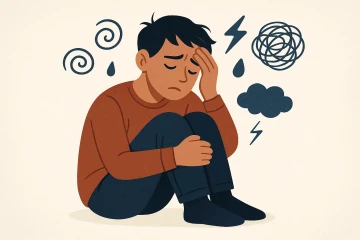
Men's Mental Health Awareness Month highlights the importance of emotional well being and access to mental health support. Although awareness continues to grow, many men still struggle to discuss their feelings or seek professional help.
June provides an opportunity to challenge harmful stereotypes, recognize warning signs, and encourage honest conversations. Understanding these challenges can help families, friends, and communities support men's mental health throughout the year.
What Is Men's Mental Health Awareness Month?
June is widely recognized as Men's Mental Health Awareness Month in the United States. This observance encourages people to discuss men's mental health and reduce stigma surrounding emotional struggles.
Its main goals include:
-
Raising awareness of mental health challenges affecting men.
-
Encouraging men to seek professional support when needed.
-
Challenging stereotypes that discourage emotional expression.
-
Sharing reliable mental health information and support resources.
The awareness campaign reminds everyone that seeking help demonstrates self awareness, not weakness.
Why Men's Mental Health Matters
Men can experience depression, anxiety, stress, trauma, and substance use disorders. However, social expectations can sometimes make it harder for them to discuss emotional difficulties openly.
Some men feel pressure to appear strong, remain independent, or handle problems without assistance. These expectations may discourage them from recognizing symptoms or seeking appropriate support.
The National Institute of Mental Health reports that men are less likely than women to receive mental health treatment. Suicide is another serious concern, with US males experiencing substantially higher suicide rates than females.
According to the CDC, the male suicide rate was nearly four times the female rate in 2024. These figures highlight why early support, open conversations, and accessible mental health care matter.
Common Mental Health Challenges and Warning Signs in Men
Men can experience many of the same mental health conditions as women. However, symptoms and coping behaviors can differ between individuals.
Common challenges include:
-
Depression: Persistent low mood, irritability, loss of interest, or reduced energy.
-
Anxiety: Excessive worry, restlessness, muscle tension, or difficulty sleeping.
-
Stress: Ongoing pressure affecting concentration, relationships, and daily responsibilities.
-
Trauma: Distressing reactions following traumatic experiences or prolonged exposure to difficult events.
-
Substance use: Increasing reliance on alcohol or drugs to manage emotional distress.
Signs That a Man May Be Struggling
Mental health difficulties do not always appear as sadness or obvious emotional distress. Some men may experience changes in behavior, mood, or everyday functioning.
Possible warning signs include:
-
Increased anger, irritability, or unusual mood changes.
-
Withdrawing from friends, family members, or favorite activities.
-
Persistent fatigue, sleep difficulties, or unexplained physical complaints.
-
Increased alcohol use, drug use, or risky behavior.
-
Difficulty concentrating or managing everyday responsibilities.
These signs do not automatically indicate a mental health condition. Persistent or worsening changes deserve attention and discussion with a qualified healthcare professional.
How to Support Men's Mental Health
Supporting men's mental health starts with patience, understanding, and respectful communication. You do not need to have every answer to make someone feel supported.
- Start an honest conversation. Ask how someone has been feeling and give them time to respond. Choose a comfortable setting and avoid pressuring them to share more than they want.
- Listen without judgment. Let the person explain their concerns without dismissing their feelings or immediately offering solutions. Simple reassurance can help someone feel understood and less isolated.
- Encourage professional support. Suggest speaking with a doctor, therapist, or qualified mental health professional when difficulties persist. Offer practical help finding services if they feel uncertain about taking the first step.
- Promote healthy routines. Regular physical activity, sufficient sleep, and meaningful social connections can support overall mental well being. These habits complement professional care but do not replace treatment when needed.
- Keep checking in. A single conversation may not resolve someone's concerns or encourage immediate help seeking. Continue showing care and make mental health conversations normal throughout the year.
Where to Find Mental Health Support
Men experiencing ongoing emotional difficulties can begin by speaking with a primary care provider or licensed mental health professional. Support groups and trusted community organizations may also help people feel less alone.
In the United States, these resources provide additional guidance:
-
988 Suicide and Crisis Lifeline: Call or text 988 for free, confidential crisis support.
-
SAMHSA National Helpline: Call 1 800 662 4357 for treatment information and referrals related to mental health and substance use.
-
National Institute of Mental Health: Find reliable information about mental health conditions, symptoms, and treatment options.
If someone faces immediate danger, contact emergency services. Taking warning signs seriously and seeking timely assistance can help connect people with appropriate care.
Supporting Men's Mental Health Beyond June
Men's Mental Health Awareness Month offers an important reminder, but mental health deserves attention every month. Open conversations, supportive relationships, and access to appropriate care can make seeking help easier.
Everyone can contribute by challenging stigma, recognizing warning signs, and encouraging men to prioritize their emotional well being. No one should feel they must face mental health difficulties alone.
References
-
National Institute of Mental Health. Men and Mental Health
-
Centers for Disease Control and Prevention. Suicide Data and Statistics
-
National Institute of Mental Health. Warning Signs of Suicide
-
Substance Abuse and Mental Health Services Administration. Mental Health and Substance Use Helplines
-
National Institute of Mental Health. Depression