- 1. Build Healthy Daily Habits
- 2. Stay Physically Active
- 3. Make Quality Sleep a Priority
- 4. Eat Balanced Meals and Stay Hydrated
- 5. Maintain Supportive Relationships
- 6. Learn Healthy Ways to Manage Stress
- 7. Practice Mindfulness and Gratitude
- 8. Develop Interests and Find a Sense of Purpose
- 9. Know When to Seek Professional Support
- References
Mental health affects how we think, feel, respond to challenges, and connect with other people. It also influences how we manage stress, make decisions, and handle everyday responsibilities.
Improving mental health does not always require major lifestyle changes. Small, consistent habits can support emotional well-being and make daily challenges easier to manage.
There is no single solution that works for everyone. However, practical changes to your routine, relationships, and coping habits can make a meaningful difference.
1. Build Healthy Daily Habits
Your daily routine can influence how you feel physically and emotionally. Regular habits provide structure and help you manage everyday responsibilities.
Start with small changes that fit your lifestyle. For example, establish a consistent wake-up time, plan regular meals, and make room for activities you enjoy.
Avoid setting too many goals at once. Focus on one or two realistic changes before adding more.
2. Stay Physically Active
Physical activity supports both physical health and emotional well-being. Regular movement can improve mood, reduce stress, and support better sleep.
You do not need an expensive gym membership or demanding workout routine. Walking, cycling, swimming, dancing, and stretching are practical options.
Try these simple ways to move more:
-
Take a short walk during your lunch break.
-
Use the stairs when possible.
-
Stretch after sitting for long periods.
-
Choose an activity that you genuinely enjoy.
-
Spend time outdoors when your schedule allows.
Start with manageable activities and increase your movement gradually. Even short periods of activity can contribute to your overall health.
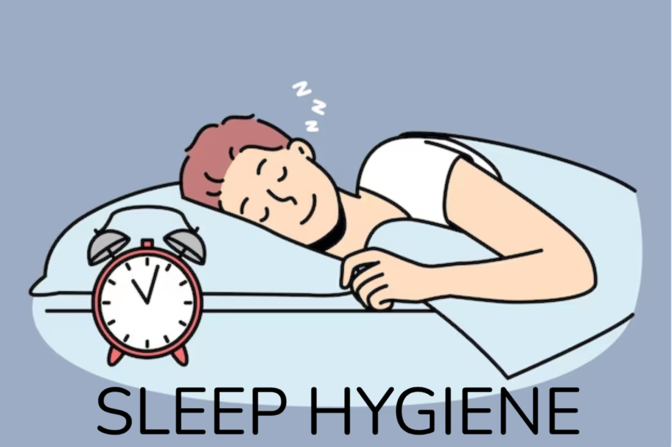
3. Make Quality Sleep a Priority
Sleep plays an important role in emotional regulation, concentration, and everyday functioning. Poor sleep can make stress harder to manage and affect your mood.
Adults generally need at least seven hours of sleep each night. However, individual sleep needs can vary depending on age and circumstances.
You can improve your sleep habits by:
-
Going to bed and waking up at consistent times.
-
Keeping your bedroom quiet, comfortable, and dark.
-
Reducing screen use before bedtime.
-
Avoiding heavy meals close to bedtime.
-
Limiting caffeine later in the day.
If sleep problems continue, consider discussing them with a healthcare professional. Persistent sleep difficulties can sometimes accompany anxiety, depression, or other health conditions.
4. Eat Balanced Meals and Stay Hydrated
Nutrition supports brain function, energy levels, and overall physical health. Eating regularly can also help prevent energy changes that affect your daily mood.
Include vegetables, fruits, whole grains, protein sources, and healthy fats in your meals. Choose foods that provide different nutrients rather than following restrictive diets.
Remember these practical habits:
-
Eat regular meals instead of frequently skipping them.
-
Include fruits and vegetables throughout your day.
-
Drink enough water to maintain proper hydration.
-
Notice how caffeine affects your sleep and anxiety.
-
Avoid relying on alcohol to manage difficult emotions.
No particular food can guarantee better mental health. A balanced eating pattern supports general health alongside other helpful daily habits.
5. Maintain Supportive Relationships
Healthy relationships provide emotional support, encouragement, and a sense of belonging. Spending time with supportive people can make difficult experiences easier to manage.
Make time for family members, friends, colleagues, or people who share your interests. Even a short conversation can help maintain meaningful connections.
Try these simple ways to strengthen relationships:
-
Check in regularly with people you care about.
-
Share your feelings with someone you trust.
-
Listen carefully when someone discusses their concerns.
-
Join a community group or activity you enjoy.
-
Ask for support when you need it.
You do not need a large social circle to feel connected. A few supportive relationships can provide meaningful emotional support.
6. Learn Healthy Ways to Manage Stress
Stress is a normal response to challenging situations. However, ongoing stress can affect sleep, concentration, relationships, and emotional well-being.
Learning healthy coping skills can help you respond to pressure more effectively. Start by identifying situations that regularly create tension or overwhelm.
You can manage everyday stress through several practical habits:
-
Break large responsibilities into smaller tasks.
-
Take short breaks during demanding activities.
-
Practice slow breathing when feeling overwhelmed.
-
Write down concerns to organize your thoughts.
-
Make time for hobbies and relaxing activities.
Setting boundaries also matters when responsibilities become difficult to manage. Give yourself permission to rest and decline unnecessary commitments.
For some people, repetitive negative thinking makes stressful situations harder to manage. Understanding rumination and its connection with depression can help readers recognize this pattern.
7. Practice Mindfulness and Gratitude
Mindfulness involves paying attention to the present moment without immediately judging your thoughts or feelings. It can help you become more aware of your emotional responses.
You do not need lengthy meditation sessions to begin practicing mindfulness. A few quiet minutes can help you pause and notice what you are experiencing.
Try these simple practices:
-
Focus on your breathing for a few minutes.
-
Notice sounds and surroundings during a short walk.
-
Pay attention to your feelings without criticizing yourself.
-
Write down three things you appreciate each day.
-
Take a quiet break when your mind feels overwhelmed.
Gratitude does not mean ignoring difficult experiences or pretending everything feels positive. It simply encourages you to notice helpful and meaningful parts of everyday life.
8. Develop Interests and Find a Sense of Purpose
Enjoyable activities can provide structure, satisfaction, and opportunities for personal growth. They also give you something meaningful beyond everyday responsibilities.
You can explore different interests without making them another source of pressure. Choose activities that feel enjoyable rather than activities you think you should pursue.
Consider trying these activities:
-
Learn a language or practical skill.
-
Read books about subjects that interest you.
-
Try cooking, painting, gardening, or writing.
-
Volunteer for a community project.
-
Set realistic personal or professional goals.
Learning new skills can also build confidence and create opportunities for social connection. Focus on progress rather than expecting immediate results.
9. Know When to Seek Professional Support
Healthy habits can support mental well-being, but they cannot replace professional treatment when someone needs it. Persistent emotional difficulties deserve attention and appropriate support.
Consider speaking with a mental health professional if you experience:
-
Persistent sadness, anxiety, or emotional distress.
-
Difficulty sleeping or managing everyday responsibilities.
-
Loss of interest in activities you previously enjoyed.
-
Changes in appetite, energy, or concentration.
-
Emotional difficulties that affect relationships or work.
A psychologist, psychiatrist, or qualified healthcare professional can help assess your concerns. They may recommend therapy, medication, lifestyle changes, or other appropriate treatment.
Mental health conditions are not personal failures. With appropriate support, many people learn to manage symptoms and improve their quality of life.
If emotional exhaustion or persistent low mood becomes difficult to manage, understanding the signs of emotional exhaustion may also help you recognize when additional support is needed.
References
-
National Institute of Mental Health: Caring for Your Mental Health
-
Centers for Disease Control and Prevention: Improve Your Emotional Well-Being
-
American Psychiatric Association: Lifestyle to Support Mental Health


 Amna Zaheer