Getting enough sleep is essential for your mental health, but maintaining healthy sleep habits can sometimes feel challenging. Stress, busy schedules, and everyday responsibilities often interfere with restful sleep and affect how you feel the next day.
Poor sleep can increase irritability, anxiety, and difficulty concentrating, making even simple daily activities feel more demanding. Meanwhile, mental health concerns can disrupt your sleep patterns and create a cycle of emotional and physical exhaustion.
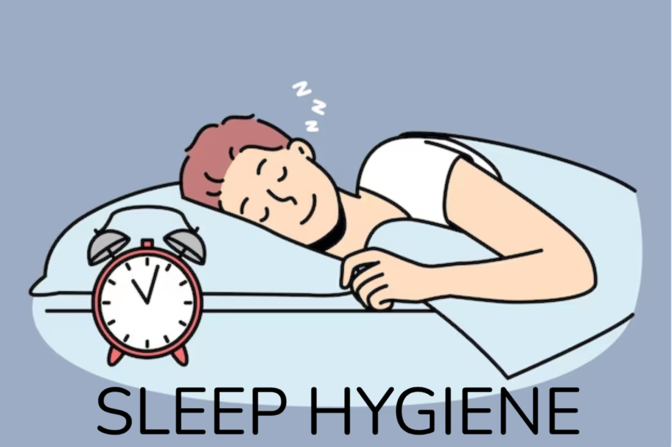
Practicing good sleep hygiene can help you build healthier routines, improve sleep quality, and support your emotional well being.
What Is Sleep Hygiene?
Sleep hygiene refers to everyday habits and environmental conditions that help you get consistent, good quality sleep. These practices include maintaining regular sleep hours, creating a comfortable bedroom, and avoiding activities that interfere with rest.
Good sleep hygiene supports your body's natural sleep cycle and helps you develop a more predictable bedtime routine. It focuses on improving both sleep duration and quality rather than simply spending more hours in bed.
For example, someone who sleeps eight hours but wakes frequently may still feel tired the following morning. Healthy sleep habits can reduce avoidable disruptions and create better conditions for restorative sleep.
However, sleep hygiene alone may not resolve persistent insomnia or sleep disturbances caused by underlying medical conditions.
How Does Sleep Hygiene Affect Mental Health?
Sleep hygiene and mental health are closely connected because consistent rest supports emotional regulation, thinking, and stress management. When sleep becomes irregular, these important mental functions may become more difficult to maintain throughout the day.
Mood and Emotional Regulation
Healthy sleep habits help your brain process emotions and respond more calmly to stressful or frustrating situations. After a restless night, you may feel unusually irritated, impatient, or sensitive to problems that normally seem manageable.
Poor sleep can increase emotional reactivity, making disagreements and everyday challenges feel more overwhelming than they actually are. Maintaining consistent sleep routines supports emotional balance and helps you manage your reactions more effectively.
Stress and Anxiety
Sleep hygiene plays an important role in managing stress because adequate rest supports your ability to handle daily pressure. Without enough sleep, ordinary worries may feel more intense, and relaxing after a demanding day becomes harder.
Stress can also interfere with sleep, especially when racing thoughts keep your mind active late at night. This creates a cycle where poor sleep increases stress, while ongoing stress makes restful sleep more difficult.
Understanding anxiety and its symptoms can help you recognize when persistent worrying may require additional support.
Depression and Emotional Well Being
Sleep disturbances are common among people experiencing depression and may contribute to worsening mood and emotional difficulties. Some individuals struggle to fall asleep, while others sleep excessively without feeling rested or energetic afterward.
Poor sleep can also affect motivation, concentration, and interest in activities that previously felt enjoyable or meaningful. Improving sleep habits may support depression treatment, although persistent symptoms require appropriate professional assessment and care.
Learning about depression and its symptoms can provide additional insight into how emotional changes affect daily life.
Memory, Focus, and Concentration
Sleep supports memory formation, learning, and the mental processes needed for concentration and effective decision making. When sleep is insufficient, remembering information and completing tasks that require attention may become more difficult.
You might notice yourself forgetting appointments, struggling with conversations, or making mistakes during ordinary work responsibilities. Consistent sleep habits help support clearer thinking and improve your ability to manage daily activities.
Signs of Poor Sleep Hygiene
Poor sleep hygiene often develops gradually through everyday habits that interfere with regular and restful sleep. Recognizing these patterns can help you identify practical changes that may improve your sleep quality.
Common signs include:
-
Going to bed and waking up at different times throughout the week.
-
Using your phone, television, or computer immediately before bedtime.
-
Drinking caffeinated beverages late in the afternoon or evening.
-
Taking long naps that make falling asleep at night more difficult.
-
Spending extended periods awake in bed while worrying about sleep.
-
Feeling tired, irritable, or unable to concentrate during the day.
-
Frequently waking during the night and struggling to fall asleep again.
These experiences do not always result from poor sleep habits because medical conditions and mental health concerns can contribute. If sleep problems continue despite lifestyle changes, a healthcare professional can help identify possible underlying causes.
8 Sleep Hygiene Tips to Improve Mental Health
Improving sleep hygiene does not require changing every part of your daily routine at the same time. Small, consistent adjustments can create better sleeping conditions and support your mental health over time.
1. Follow a Consistent Sleep Schedule
Going to bed and waking up at similar times each day helps regulate your body's natural sleep cycle. A predictable schedule makes it easier for your body to recognize when it should feel alert or sleepy.
Try maintaining your usual wake time on weekends instead of sleeping much later than you do during weekdays. Most adults need approximately seven to nine hours of sleep, although individual requirements may vary.
Choose a realistic schedule that provides enough time for rest without creating unnecessary pressure around falling asleep.
2. Create a Relaxing Bedtime Routine
A relaxing bedtime routine helps your mind transition from daily responsibilities toward a calmer state before sleep. Activities such as reading, taking a warm bath, or listening to gentle music may encourage relaxation.
Try setting aside some quiet time before bedtime and reducing activities that require intense concentration or emotional energy. Repeating a familiar routine can help establish a consistent signal that your day is coming to an end.
Avoid forcing yourself to fall asleep immediately because worrying about sleep can sometimes make relaxation more difficult.
3. Keep Your Bedroom Dark, Quiet, and Comfortable
Your bedroom environment can influence how easily you fall asleep and whether you remain comfortable throughout the night. Excessive light, unwanted noise, and uncomfortable temperatures may interrupt sleep or make relaxation more difficult.
Keep your bedroom relatively cool and dark while choosing pillows and bedding that feel comfortable and supportive. Consider blackout curtains, an eye mask, or earplugs if outside light and noise frequently disturb your rest.
Creating a peaceful sleeping environment can reduce unnecessary interruptions and support more consistent sleep quality over time.
4. Reduce Screen Time Before Bed
Using phones, computers, and televisions before bedtime can interfere with your ability to relax and prepare for sleep. Bright light from screens may affect your internal body clock, while engaging content can increase mental alertness.
Try putting electronic devices away during your bedtime routine and choosing quieter activities that help you unwind. Reading a printed book or listening to relaxing music may be more suitable alternatives for some people.
If you need your phone nearby, consider limiting notifications and avoiding stressful conversations or stimulating online content.
5. Limit Caffeine and Heavy Meals at Night
Caffeine stimulates your nervous system and can make falling asleep difficult, even several hours after consumption. Coffee, tea, energy drinks, and certain soft drinks may affect your sleep depending on individual sensitivity.
Try limiting caffeine later in the day, particularly if you regularly struggle to fall asleep at night. Heavy meals close to bedtime may also cause discomfort and make it harder to settle comfortably.
Alcohol may initially cause drowsiness, but it can disrupt sleep quality and contribute to waking during the night.
6. Exercise Regularly During the Day
Regular physical activity supports overall health and may help improve sleep quality while reducing everyday stress. Walking, cycling, swimming, and other enjoyable activities can help you maintain a more active and balanced routine.
Spending time outdoors during daylight hours may also support your natural sleep cycle and daytime alertness. However, vigorous exercise shortly before bedtime can make falling asleep harder for some people.
Choose an exercise schedule that suits your energy levels and allows enough time to relax before sleeping.
7. Manage Stress Before Bedtime
Stressful thoughts often become more noticeable at night when distractions disappear and your mind begins reviewing daily concerns. Worrying about work, relationships, or upcoming responsibilities can make it difficult to relax and fall asleep.
Try writing down important tasks or concerns earlier in the evening instead of repeatedly thinking about them in bed. Gentle breathing exercises, mindfulness, or relaxing music may also help you create a calmer bedtime routine.
You can explore additional ways to improve mental health through practical habits that support emotional well being.
8. Avoid Long or Late Afternoon Naps
Daytime naps can improve alertness, but long or late naps may interfere with your regular nighttime sleep schedule. Sleeping too long during the afternoon can reduce your natural sleepiness when bedtime arrives.
If you need a nap, consider keeping it brief and scheduling it earlier in the afternoon. A short nap of around twenty minutes may provide rest without significantly disrupting nighttime sleep for many adults.
People working night shifts or managing certain medical conditions may need different sleeping arrangements and professional guidance.
How Do Anxiety and Depression Affect Sleep?
Anxiety and depression can disrupt sleep patterns even when someone follows healthy bedtime routines and maintains a comfortable environment. Understanding these effects helps explain why improving sleep hygiene sometimes requires additional mental health support.
Anxiety and sleep: Persistent worrying can increase alertness, physical tension, and racing thoughts that interfere with falling asleep. Some people also wake during the night and struggle to relax because their worries become difficult to control.
Depression and sleep: Depression may cause difficulty falling asleep, frequent waking, early morning awakening, or sleeping longer than usual. These changes can contribute to fatigue, reduced motivation, and difficulty managing everyday responsibilities.
Both conditions can create a cycle where poor sleep worsens emotional symptoms and emotional difficulties disrupt sleep. Healthy routines may help, but persistent symptoms deserve assessment from a qualified healthcare professional.
When Should You Seek Professional Help?
Occasional sleep difficulties are common, especially during stressful periods or after changes to your normal routine. However, ongoing sleep problems may require professional assessment when they begin affecting your health and daily functioning.
Consider speaking with a healthcare professional if you experience:
-
Persistent difficulty falling asleep or staying asleep.
-
Severe daytime tiredness that interferes with everyday activities.
-
Sleep problems that continue despite improving your bedtime habits.
-
Increasing anxiety, depression, or emotional distress alongside poor sleep.
-
Loud snoring, breathing interruptions, or frequent nighttime awakenings.
A healthcare professional can assess possible causes and recommend treatment based on your symptoms and medical history. For persistent insomnia, cognitive behavioral therapy for insomnia, known as CBT-I, is an established treatment option.
This therapy addresses thoughts and behaviors that interfere with sleep and provides strategies for improving sleep patterns. Sleep hygiene can support treatment, but it should not replace professional care when an underlying condition requires attention.
Conclusion
Sleep hygiene and mental health are closely connected because consistent rest supports emotional balance, concentration, and everyday functioning. Poor sleep habits can increase stress and fatigue, while mental health difficulties may interfere with restful sleep.
Maintaining regular sleep hours, limiting nighttime distractions, and creating a relaxing routine can support healthier sleep patterns. If sleep problems persist despite these changes, professional guidance can help identify appropriate treatment and support.
References
-
National Heart, Lung, and Blood Institute: Healthy Sleep Habits
-
National Heart, Lung, and Blood Institute: How Much Sleep Is Enough?
-
Centers for Disease Control and Prevention: Sleep and Health
-
National Heart, Lung, and Blood Institute: Insomnia Treatment




 Amna Zaheer