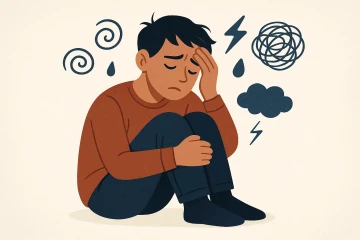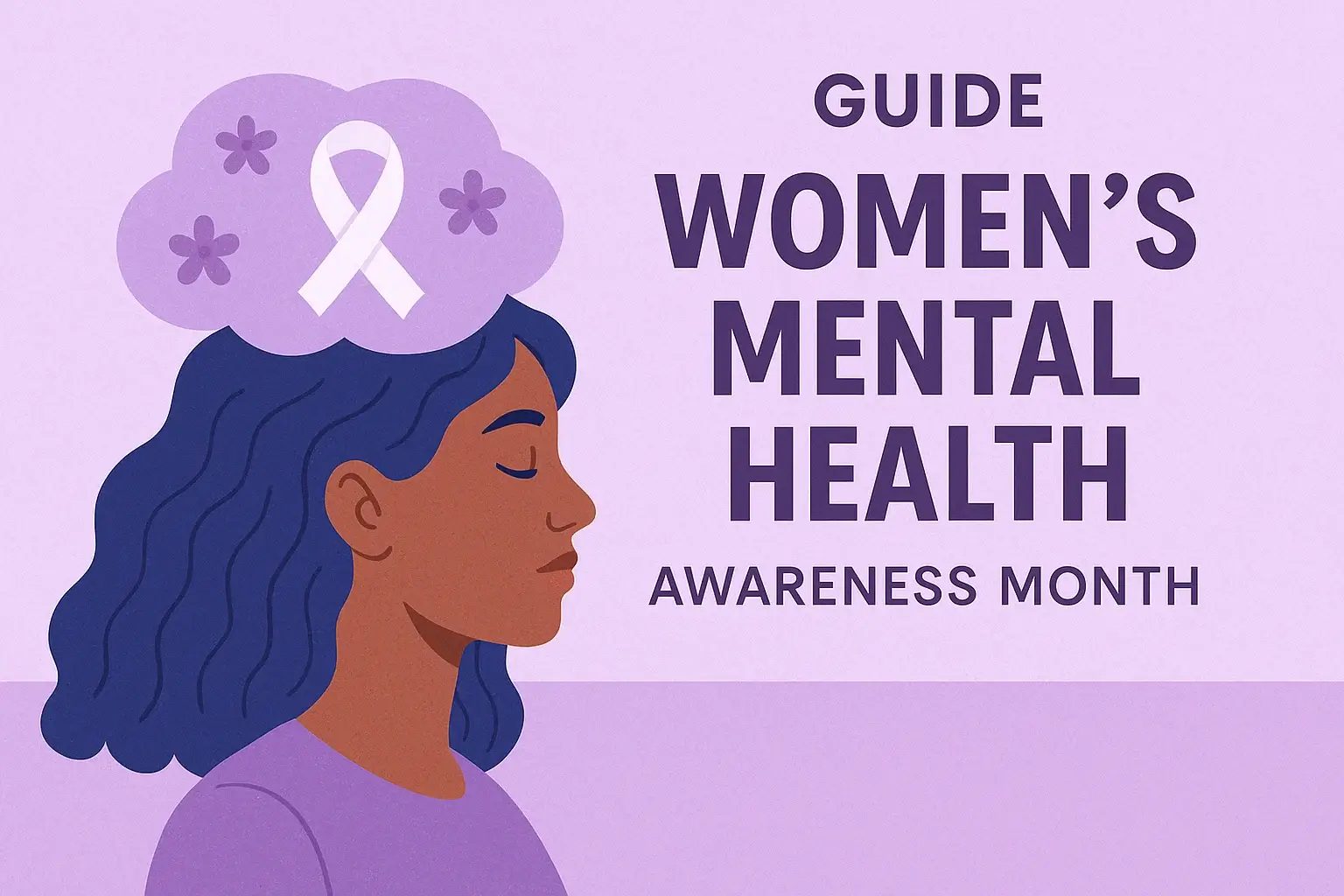
Women's mental health deserves attention throughout the year, especially when biological changes, social pressures, and life experiences affect emotional well being. Awareness encourages open conversations, reduces stigma, and helps women find appropriate support when they need it.
When Is Women's Mental Health Awareness Month?
There is no single universally recognized date for a separate Women's Mental Health Awareness Month across all organizations. Some organizations promote women's mental health awareness in March, while others connect it with Mental Health Awareness Month in May.
In the United States, Mental Health Awareness Month takes place in May. National Women's Health Week also occurs in May and highlights women's physical, mental, and emotional well being.
For 2026, National Women's Health Week runs from May 10 through May 16. Readers should check the relevant organization's announcements for specific women's mental health awareness events and campaigns.
Why Women's Mental Health Matters
Mental health affects everyone, but some conditions are more common among women. The National Institute of Mental Health identifies depression, anxiety disorders, and eating disorders among conditions affecting women more frequently.
Women's mental health can also be influenced by pregnancy, childbirth, menstrual cycle changes, and the transition to menopause. Social expectations, caregiving responsibilities, financial pressures, and traumatic experiences may create additional challenges.
These experiences do not affect every woman in the same way. Understanding individual needs helps families, communities, and healthcare providers offer more appropriate support.
Awareness also encourages women to discuss symptoms without feeling ashamed or believing they must manage everything alone. Recognizing mental health concerns early can help women access professional guidance and appropriate treatment.
Common Mental Health Challenges Affecting Women
Women can experience many of the same mental health conditions as men. However, certain biological experiences and social circumstances can influence their mental health in specific ways.
Depression and Anxiety
Depression can cause persistent sadness, hopelessness, fatigue, and reduced interest in everyday activities. Anxiety disorders may involve excessive worry, fear, restlessness, and difficulty concentrating.
These conditions can affect relationships, sleep, work, and daily responsibilities. Women experiencing persistent symptoms should speak with a qualified healthcare professional for assessment and support.
Pregnancy and Postpartum Mental Health
Pregnancy and childbirth can bring significant physical, emotional, and hormonal changes. Some women experience depression or anxiety during pregnancy or after giving birth.
Postpartum depression involves more than temporary tiredness or the emotional changes commonly experienced after childbirth. Symptoms may include persistent sadness, intense anxiety, difficulty sleeping, or trouble managing everyday responsibilities.
These conditions are treatable, and experiencing them does not mean someone has failed as a parent. Healthcare professionals can explain suitable treatment options and help mothers receive appropriate support.
Hormonal Changes, Trauma, and Chronic Stress
Some women experience mental health symptoms around menstruation or during the transition to menopause. Hormonal changes may influence mood, but mental health usually involves several interacting factors.
Traumatic experiences, including abuse and violence, can also contribute to depression, anxiety, and post traumatic stress disorder. Ongoing work pressure, caregiving responsibilities, and financial difficulties may increase emotional strain.
Women experiencing these challenges deserve compassionate support without judgment. Professional assessment can help identify their needs and guide appropriate care.
How to Support Women's Mental Health
Supporting women's mental health begins with listening, understanding, and respecting each person's experiences. Small actions can help women feel less isolated and more comfortable discussing their concerns.
Here are practical ways to offer support:
-
Listen without judgment: Give women space to discuss their feelings without immediately offering criticism or solutions.
-
Encourage professional help: Suggest speaking with a qualified healthcare professional when symptoms persist or interfere with everyday life.
-
Share reliable resources: Provide information from trusted health organizations rather than unverified advice or social media claims.
-
Offer practical assistance: Help with everyday responsibilities when someone feels overwhelmed by work, caregiving, or family demands.
-
Promote supportive environments: Encourage respectful conversations and reasonable expectations at home, school, and work.
Women can also prioritize rest, maintain supportive relationships, and seek help when everyday stress becomes difficult to manage. These habits may support well being, but they cannot replace professional treatment when someone needs it.
Where to Find Mental Health Support
Women experiencing persistent emotional distress can begin by contacting a primary care provider or qualified mental health professional. Psychologists, psychiatrists, and other trained clinicians can assess symptoms and discuss suitable treatment options.
The National Institute of Mental Health provides reliable information about women's mental health, depression, and pregnancy related mental health concerns. In the United States, the National Maternal Mental Health Hotline offers free, confidential support by calling or texting 1 833 852 6262.
Anyone experiencing thoughts of suicide or immediate danger should seek urgent help through local emergency services. In the United States, people can call or text 988 to reach the Suicide and Crisis Lifeline.
Conclusion
Women's Mental Health Awareness Month provides an opportunity to discuss challenges that may otherwise remain overlooked. Understanding women's experiences, reducing stigma, and encouraging appropriate care can make support easier to access.
Women's mental health deserves attention throughout the year, not only during awareness campaigns. Listening with compassion and sharing reliable resources can help women feel supported when they need it.
References
-
National Institute of Mental Health. Women and Mental Health
-
National Institute of Mental Health. Depression in Women: 4 Things to Know
-
National Institute of Mental Health. Perinatal Depression
-
U.S. Office on Women's Health. National Women's Health Week 2026
-
U.S. Office on Women's Health. Reproductive Health and Mental Health