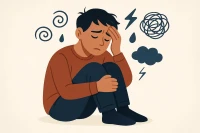

Someone shows up to work every day on time, participates in meetings, and responds to messages promptly. They smile at appropriate moments and maintain their responsibilities. From the outside, everything looks fine. Inside their minds, a harsh voice keeps saying they’re worthless. It claims nothing will ever get better and that everyone would be better off without them.
This disconnect between internal suffering and external presentation represents one of the most challenging aspects of mental health issues. Non-observable warning signs hide beneath the surface, invisible to friends, family, and colleagues. Understanding these hidden indicators can save lives.
According to the National Institute of Mental Health, approximately 57.8 million American adults experienced mental illness in 2021. The World Health Organization says one in eight people worldwide has a mental health issue. Yet many suffer in silence, their internal struggles completely hidden from view.
What is an Example of a Non-Observable Warning Sign for a Mental Health Condition in Someone Else?
Common examples are:
- Persistent negative self-talk
- Intrusive thoughts
- Feelings of hopelessness
- Emotional numbness
- Cognitive distortions
These experiences happen only in a person's mind. They leave no visible signs for others to see.
A person might seem fine at work, but inside, they might feel worthless and believe they are a failure. Someone dealing with intrusive thoughts about harm may appear calm and composed externally. A person who feels emotionally numb may smile and chat. Others might not realize they feel disconnected from everything.
These internal warning signs are often the first and most important signs of mental health issues. They typically appear long before observable behaviors change. When people see someone's decline, that struggle has often been happening for months or even years.
Difference Between Observable and Non-Observable Warning Signs
Observable warning signs involve behaviors or physical changes that others can see.
These signs include:
- Social withdrawal
- Changes in appetite or sleep
- Neglecting personal hygiene
- Increased irritability
- Declining performance at work or school
- Emotional distress, such as frequent crying
Non-observable warning signs exist purely within someone's subjective experience. No amount of careful observation reveals them unless the person chooses to share. This fundamental difference makes non-observable signs both more dangerous and easier to miss.
The National Alliance on Mental Illness states that many people with severe anxiety or depression seem fine on the outside. However, they often feel deep internal pain. They master the art of appearing fine while carrying immense psychological pain.
Observable behaviors often develop as consequences of prolonged internal suffering. A person may withdraw socially after feeling worthless for months. They might think others don’t want them around. Sleep disturbances can arise from long periods of anxious thoughts that keep people awake at night.
What are Some Examples of Non-Observable Warning Signs?

Persistent Negative Self-Talk
An inner critic often says things like, "You're not good enough," "You always mess up," or "Nobody really likes you." This voice feels automatic, relentless, and believable despite evidence contradicting it.
Intrusive Thoughts
Unwanted, distressing thoughts arrive uninvited and feel impossible to control. These might involve fears of harm, disturbing images, or obsessive worries that loop endlessly. The person experiences significant distress from these thoughts but shares them with no one.
Cognitive Distortions
Distorted thinking patterns warp reality perception.
Common distortions are:
- Catastrophizing: Assuming the worst outcome.
- Black-and-white thinking: Seeing things as all good or all bad.
- Mind reading: Believing you know others' negative thoughts about you.
- Personalizing: Taking blame for things you can't control.
Feelings of Hopelessness
A pervasive belief that nothing will ever improve, that the future holds only more pain, that trying to change things is pointless. This hopelessness feels like objective truth rather than a symptom requiring treatment.
Emotional Numbness
Feeling disconnected from all emotions, neither happy nor sad but simply empty. This numbness creates a sense of watching life happen from behind glass, unable to truly feel or connect with experiences.
Chronic Sense of Dread
An ongoing feeling that something terrible is about to happen without any specific threat. This differs from normal worry because it lacks a clear focus and persists regardless of circumstances.
Suicidal Ideation
Thoughts about death or suicide, ranging from passive wishes to not exist anymore to active planning. These thoughts often remain completely hidden from friends and family.
Why Non-Observable Warning Signs Are So Easy to Miss
Normalization
Many people assume their internal experience matches everyone else's. If someone has experienced persistent negative self-talk since adolescence, they might believe everyone has a critical internal voice. They don't recognize it as a symptom requiring attention.
The human brain adapts to almost anything, including psychological distress. What begins as abnormal gradually becomes the baseline. Someone living with chronic hopelessness may forget that not everyone feels this way constantly.
Shame and Stigma
Despite increased mental health awareness, many people still feel ashamed of their internal struggles. Thoughts that feel shameful, frightening, or disturbing are especially likely to remain concealed.
Cultural factors influence which symptoms people feel comfortable disclosing. Some communities see mental health issues as signs of weakness or bad morals. This belief makes it hard for people to be open about their struggles.
High Functioning
The myth continues that people with serious mental health issues can't hold jobs, keep relationships, or manage daily tasks. In reality, many individuals with significant internal suffering remain highly functional externally.
High-functioning people often wait to get help. They think they’re “not sick enough” to need support. They highlight their achievements to show they’re okay. They brush off their inner struggles, thinking everyone feels this way.
Fear of Being a Burden
A common non-observable symptom of depression is believing others would be better off without having to worry about you. This belief actively prevents people from reaching out for help.
The thought pattern creates a self-fulfilling prophecy. They feel like a burden, so they hide their struggles. This only makes them feel more alone and heavy with guilt. They interpret others' concern as confirmation they're causing problems.
Psychology Concepts and Terms
Non-Observable Warning Sign
Any sign of possible mental health issues that is only visible through a person's own experience. These internal symptoms include thoughts, feelings, beliefs, and perceptions that others can’t see unless the person shares them.
Subjective Experience
The internal, first-person experience of thoughts, emotions, and sensations. Subjective experiences vary enormously between individuals and cannot be directly measured or observed by others.
Observable Behavior
Actions, expressions, or physical changes that others can see and measure.
Observable behaviors give clues about internal states but don’t show the full picture of mental health.
The gap between what people feel and what they show explains why mental health screenings depend on self-report questionnaires. Tools like the GAD-7 for anxiety and PHQ-9 for depression ask individuals to rate their feelings. These symptoms are often invisible otherwise.
How to Create Space for Non-Observable Symptoms to Surface
Since you can't see non-observable warning signs, creating conditions for honest conversation becomes essential. These strategies help people feel safe disclosing internal struggles.
Ask Specific, Open Questions
Generic questions like "Are you okay?" almost always receive "yes" as an answer. Instead, try: "How are things feeling on the inside lately?" or "I know everything looks fine, but I wanted to check how you're really doing."
These questions signal openness to real answers. They acknowledge the possibility of internal struggle without requiring immediate disclosure.
Normalize Mental Health Conversations
Talk about mental health the way you discuss physical health. Share your own experiences with stress, therapy, or difficult emotions when appropriate. This removes stigma and makes seeking help seem like routine self-care.
Listen Without Minimizing
When someone shares an internal struggle, resist the urge to reassure too quickly. Saying "Oh, everyone feels like that" can communicate their experience isn't serious or worth addressing.
Instead, validate their feelings: "That sounds really difficult" or "Thank you for trusting me with this." Ask what support they need rather than assuming you know how to help.
Reduce Performance Pressure
People hide internal struggles more when they feel pressure to appear strong, capable, or positive. Let the people around you know it's safe to not be okay.
Check In Consistently
A one-time check-in is easy to deflect with reassurance. Regular, genuine check-ins over weeks and months build trust needed for eventual openness about internal struggles.
Encourage Professional Support Proactively
Don't wait for crisis to suggest therapy. Frame professional support as routine wellness care, not a last resort for serious problems.
Signs and Symptoms of Mental Health Non-Emergency Situations

Depression
Depression involves more than sadness. It affects thinking, physical functioning, and overall quality of life. Many symptoms remain invisible to outside observers.
Symptoms
- Persistent sad, empty, or hopeless feelings
- Loss of interest in previously enjoyed activities
- Feeling worthless or excessively guilty
- Difficulty concentrating or making decisions
- Thoughts of death or suicide
- Feeling slowed down mentally and physically
- Changes in appetite or sleep patterns
- Low energy and fatigue
- Physical aches without clear cause
Someone experiencing depression may function adequately at work while battling constant thoughts about their perceived failures and inadequacies. They might smile and socialize while feeling completely emotionally numb inside.
Anxiety
Anxiety disorders involve excessive worry and fear that interferes with daily functioning. Physical symptoms often accompany psychological distress.
Symptoms
- Persistent, excessive worry about various topics
- Difficulty controlling worried thoughts
- Feeling restless, on edge, or keyed up
- Mind going blank or difficulty concentrating
- Irritability
- Muscle tension
- Sleep disturbances
- Catastrophic thinking patterns
- Fear of losing control or going crazy
- Sense of impending doom
The difference between stress and anxiety lies in anxiety's persistent nature and disproportionate response to actual threats. Anxious thoughts continue even when circumstances don't warrant such worry.
Grief
Grief is a natural response to loss but can develop into complicated grief requiring support. The internal experience of grief varies enormously between individuals.
Symptoms
- Intense longing for what was lost
- Difficulty accepting the loss
- Numbness or detachment
- Feeling life lacks meaning
- Difficulty engaging with positive memories
- Bitterness about the loss
- Difficulty trusting others
- Trouble carrying out normal routines
- Isolation and withdrawal from social connections
Grief sometimes looks like depression but stems from specific loss. Both involve internal emotional experiences that others struggle to fully understand or observe.
Sports Performance Psychology
Athletes face unique psychological pressures affecting performance and wellbeing. Mental health challenges in sports often remain hidden due to stigma and pressure to appear mentally tough.
Symptoms
- Performance anxiety interfering with ability
- Loss of enjoyment in the sport
- Excessive self-criticism about mistakes
- Fear of failure or disappointing others
- Difficulty recovering from setbacks
- Obsessive thoughts about performance
- Comparing self negatively to teammates
- Feeling pressure to meet others' expectations
Athletes may maintain external confidence while internally experiencing severe self-doubt and anxiety about their abilities.
Nutrition and Performance Nutrition
Relationship with food and body image significantly affects mental health. Many nutrition-related psychological struggles remain completely internal.
Symptoms
- Constant preoccupation with food, weight, or body shape
- Strict food rules and rigid eating patterns
- Guilt or shame associated with eating
- Distorted body image
- Using food to cope with emotions
- Anxiety around meal situations
- Comparing body to others constantly
These thought patterns can exist for years before resulting in observable eating behaviors or physical changes.
Disordered Eating
Eating disorders involve serious disturbances in eating behaviors driven by internal psychological distress. Early warning signs are often entirely non-observable.
Symptoms
- Intense fear of weight gain
- Feeling fat despite being underweight
- Self-worth determined entirely by body shape and weight
- Preoccupation with food, calories, and nutrition
- Feeling out of control during eating
- Using eating or restriction to manage emotions
- Desire to punish oneself through food restriction
- Secretive thoughts about eating behaviors
Someone developing an eating disorder may appear healthy while experiencing severe psychological distress about food and body image.
Practical Observation
Observing patterns over time provides more useful information than single incidents. Look for clusters of concerning signs rather than isolated behaviors.
Notice Changes from Baseline
Everyone has different baselines for energy, social interaction, and emotional expression. Significant departures from someone's normal patterns warrant attention.
A typically energetic person becoming lethargic deserves notice. Someone usually social who becomes withdrawn signals potential concern. These observable changes often reflect internal struggles that began earlier.
Consider Context
Temporary mood changes in response to stressful events differ from persistent symptoms without clear cause. Someone grieving a loss naturally experiences sadness. That differs from ongoing hopelessness unrelated to circumstances.
Trust Your Instincts
If something feels off about how someone is doing, even without specific evidence, trust that instinct enough to check in. Many people report knowing something was wrong before they could articulate specific concerns.
Look for Multiple Indicators
Single symptoms rarely indicate mental health conditions. Clusters of symptoms persisting over weeks or months provide clearer pictures of potential concerns.
When to Take Action
Certain situations require immediate professional intervention regardless of whether symptoms appear severe.
Seek Emergency Help If
- Someone expresses thoughts of suicide or self-harm
- Someone threatens to harm others
- Someone appears disconnected from reality (hallucinations, delusions)
- Someone's behavior puts them or others in immediate danger
Encourage Professional Support When
- Symptoms persist for more than two weeks
- Functioning at work, school, or home deteriorates
- Relationships suffer due to mental health struggles
- Previous coping strategies no longer provide relief
- Substance use increases as a coping mechanism
GP Appointment
In both the US and UK, primary care physicians provide initial mental health assessment and referrals. Schedule an appointment for anyone experiencing persistent mental health symptoms.
General practitioners can prescribe medication, refer to specialists, and connect people with community mental health resources. They serve as the first point of contact for mental health concerns.
- Samaritans (UK)
Available 24/7 at 116 123, Samaritans provides confidential support for anyone struggling. The service is free and accepts calls, emails, and letters. No concern is too small to reach out.
- National Suicide Prevention Lifeline (US)
Call 988 for free, confidential support 24/7. The Suicide and Crisis Lifeline connects people in distress with trained counselors. The service also supports people concerned about someone else.
- Mind (UK)
Mind provides information and support for mental health concerns. Visit mind.org.uk for resources, local services, and educational materials. The organization offers helplines and online support communities.
- National Alliance on Mental Illness (US)
NAMI provides education, support groups, and advocacy for people affected by mental illness. Call the helpline at 1-800-950-NAMI (6264) for information and referrals to local resources.
- Crisis Teams
NHS 111 (option 2) in the UK connects people needing urgent mental health support with crisis teams. In the US, many communities have mobile crisis teams accessible through 911 or local crisis numbers.
Don't wait for visible deterioration before encouraging professional help. By the time mental health conditions become outwardly obvious, internal suffering has often lasted for long durations.
Final Thoughts
Non-observable warning signs are some of the most dangerous indicators of mental health issues. Persistent negative self-talk, hopelessness, intrusive thoughts, and emotional numbness are serious signs, even if they leave no visible trace.
You can’t always see what someone is dealing with inside. But you can make it easier for them to share by asking thoughtful questions, providing consistent support, and discussing mental health openly.
The person at dinner, the colleague next to you, or the family member who seems fine might be fighting unseen battles. Check in with them. Listen. Encourage them to seek professional help early, instead of waiting for a crisis.
Mental health isn’t just about what you can see. It includes the inner world of thoughts and feelings that others can’t see unless someone decides to share.
If you or someone you know is struggling, reach out. In the US, call 988 for the Suicide and Crisis Lifeline. In the UK, call Samaritans at 116 123. Help is available, and internal suffering deserves support just as much as visible distress.


Comments