
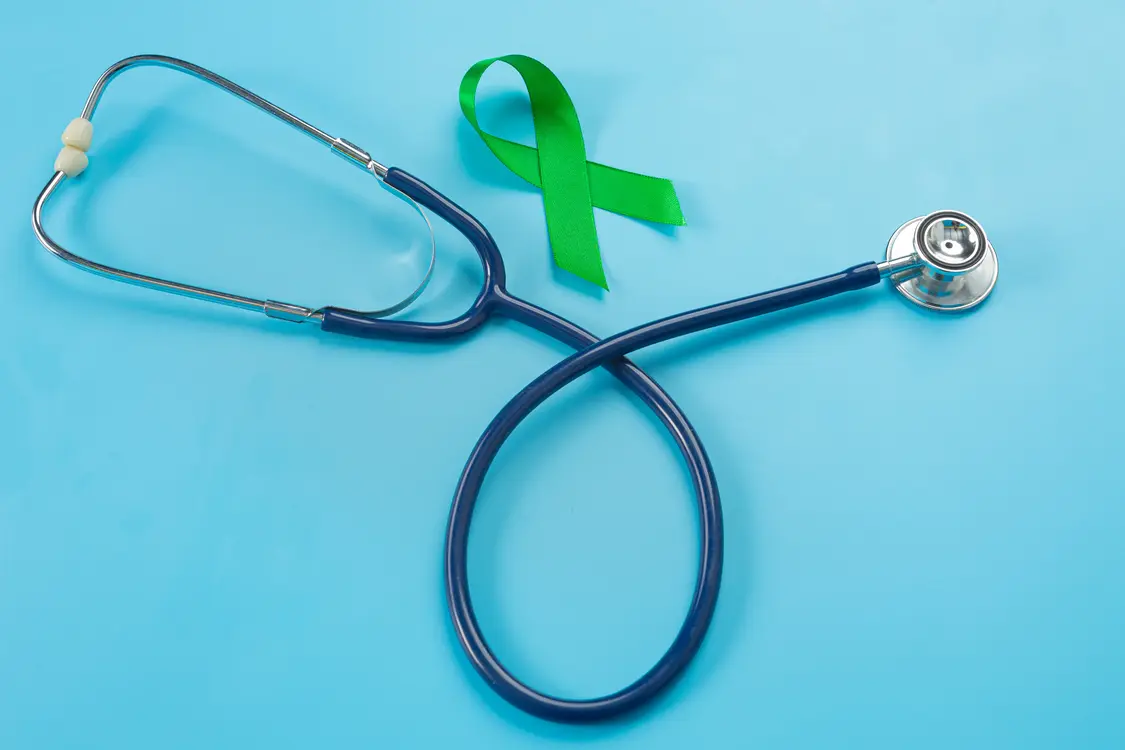
Mental health awareness helps people understand emotional well-being, reduce stigma, and encourage individuals to seek support when they need it. One of the simplest ways to recognize these efforts is through awareness colors, especially the green ribbon that has become a global symbol of hope and recovery. In this guide, you’ll learn the official mental health awareness color, the meaning of the green ribbon, other awareness colors linked to specific conditions, and practical ways to show your support throughout the year.
Quick Answer: What Is the Mental Health Awareness Color?
The official mental health awareness color is green. Around the world, the green ribbon represents hope, healing, recovery, growth, and emotional well-being. During Mental Health Awareness Month and World Mental Health Day, many organizations, healthcare professionals, and supporters wear green to encourage open conversations about mental health.
Although green represents general mental health awareness, several other colors are associated with specific conditions. For example, blue is often linked with anxiety and depression awareness, yellow is commonly used for suicide prevention awareness, and purple represents eating disorder awareness in many campaigns.
Mental Health Awareness Colors at a Glance
| Awareness | Color | What It Represents |
|---|---|---|
| Mental Health | Green | Hope, healing, and recovery |
| Anxiety | Blue | Calmness and emotional support |
| Depression | Blue | Emotional balance and awareness |
| Suicide Prevention | Yellow | Hope, support, and prevention |
| Eating Disorders | Purple | Recovery, compassion, and understanding |
| Brain and Neurological Disorders | Silver | Brain health and medical research |
What Is the Official Mental Health Awareness Color
Green is recognized internationally as the official color for mental health awareness. Mental health organizations, advocacy groups, and healthcare providers use green to promote education, reduce stigma, and encourage people to seek professional support without fear or embarrassment.
The green ribbon has become one of the most recognizable awareness symbols. People wear it during awareness campaigns, educational events, fundraising activities, and community programs to show solidarity with individuals living with mental health conditions.
Unlike awareness colors that represent a single illness, green represents mental health as a whole including anxiety disorders, depression, bipolar disorder, obsessive-compulsive disorder, post-traumatic stress disorder, and many other mental health challenges.
Because green is connected with nature, growth, and renewal, it communicates a positive message of recovery and hope. This symbolism reminds people that mental health conditions can be managed with proper treatment, support, and understanding.
History of the Green Ribbon
The green ribbon became closely associated with mental health awareness during the 1990s, as advocacy organizations searched for a recognizable symbol that could unite awareness campaigns. Since then, healthcare organizations, charities, and community groups have adopted the ribbon to increase public understanding of mental health.
Today, the green ribbon appears during educational campaigns, fundraising events, awareness walks, conferences, and social media initiatives. Its consistent use has helped create a symbol that people immediately recognize and associate with mental health support.
Why Green Was Chosen
Green represents hope, healing, growth, renewal, and emotional balance. These qualities that reflect the ongoing journey many people experience while managing their mental health and working toward recovery.
The color also symbolizes resilience. Recovery is rarely a straight path, but green reminds people that progress is possible with patience, treatment, and support from family, friends, and healthcare professionals.
Another important meaning of green is connection. Mental health awareness encourages communities to support one another, reduce isolation, and create safe environments where people feel comfortable discussing emotional challenges.
How Green Helps Reduce Mental Health Stigma
Mental health stigma often prevents people from asking for help. Many individuals worry about being judged, misunderstood, or treated differently because of their condition.
The green ribbon helps change these perceptions by making mental health conversations more visible. When people wear green during awareness campaigns, they show acceptance and encourage others to speak openly about their experiences.
This public support reminds individuals that mental health deserves the same care and attention as physical health. Greater awareness also helps communities recognize warning signs and encourage early intervention before problems become more serious.
What Does the Green Ribbon Mean?
The green ribbon is the universal symbol of mental health awareness. It represents hope, healing, recovery, and support for people living with mental health conditions. Wearing a green ribbon is a simple way to show compassion and remind others that they are not alone in their mental health journey.
Mental health organizations, healthcare professionals, educators, and community groups use the green ribbon to encourage open conversations about emotional well-being. It also helps reduce stigma by making mental health a visible and accepted topic in workplaces, schools, healthcare settings, and public events.
Unlike many awareness symbols that focus on a single condition, the green ribbon represents mental health as a whole to supporting individuals living with anxiety, depression, bipolar disorder, OCD, PTSD, schizophrenia, and many other conditions.
The ribbon also reminds communities that recovery is possible. While every person’s experience is different, early support, professional treatment, and strong social connections can make a meaningful difference in improving mental well-being.
Why Is the Green Ribbon Important?
The green ribbon creates immediate recognition during awareness campaigns. When people see someone wearing a green ribbon, they often associate it with mental health awareness and support. This simple symbol encourages conversations that might otherwise never happen. Many people find it easier to discuss mental health when they know others openly support awareness and acceptance. The green ribbon also represents solidarity to reminding people living with mental health conditions that their experiences matter and that support is available through healthcare providers, advocacy organizations, friends, and family members.
When Is the Green Ribbon Commonly Used?
The green ribbon appears throughout the year, but it becomes especially visible during major mental health awareness campaigns, including:
- Mental Health Awareness Month in May
- World Mental Health Day on October 10
- Community awareness walks
- Educational seminars
- School awareness programs
- Workplace wellness events
- Charity fundraising campaigns
Healthcare organizations also include the green ribbon in educational materials, posters, websites, and social media campaigns to increase public awareness.
Mental Health Awareness Colors Explained
Although green is the official color for mental health awareness, several other colors are associated with specific mental health conditions and awareness campaigns. These colors help organizations educate the public, encourage conversations, and support people affected by different mental health challenges.
Green for General Mental Health Awareness
Green is the primary color used to represent overall mental health awareness. It symbolizes hope, emotional balance, healing, personal growth, and recovery. Mental health organizations use green ribbons, clothing, banners, and awareness materials during campaigns to encourage acceptance and reduce stigma. Green reminds people that seeking help is a sign of strength rather than weakness.
Blue for Anxiety and Depression Awareness
Blue is commonly associated with anxiety and depression awareness because it represents calmness, emotional stability, and trust. Many awareness campaigns use different shades of blue to promote conversations about anxiety disorders and depression. Although blue is widely recognized, there is no single international organization that officially assigns blue as the universal color for anxiety awareness different advocacy groups may use different shades depending on their campaigns. Many people searching for the anxiety awareness color see blue mentioned because of its calming qualities and its connection with emotional support.
Yellow for Suicide Prevention Awareness
Yellow represents hope, optimism, and encouragement. For this reason, it is commonly used in suicide prevention awareness campaigns around the world. The yellow ribbon reminds communities to recognize warning signs, encourage open conversations, and help individuals access professional support before a crisis develops. Many organizations use yellow during Suicide Prevention Awareness Month to educate the public about prevention resources and mental health support services.
Purple for Eating Disorder Awareness
Purple is widely recognized in campaigns that focus on eating disorders and body image awareness. The color symbolizes courage, compassion, recovery, and resilience. Organizations working with individuals affected by anorexia, bulimia, binge eating disorder, and related conditions often use purple ribbons during awareness events and educational programs. Purple also encourages understanding by reminding communities that eating disorders are serious mental health conditions requiring professional care and ongoing support.
Silver for Brain and Neurological Disorders
Silver or gray is often associated with brain health, neurological conditions, and research related to cognitive disorders. These colors highlight the important relationship between brain health and mental well-being, and recognize the role of medical research in improving diagnosis, treatment, and long-term care.
What Color Represents Anxiety?
Blue is the color most commonly associated with anxiety awareness. It represents calmness, emotional stability, trust, and peace. These qualities that reflect the emotional balance many individuals seek while managing anxiety disorders.
Some organizations use light blue, while others choose darker shades depending on the purpose of their awareness campaigns. Although these shades may differ, blue remains the most frequently used color in educational materials related to anxiety and emotional wellness.
What Color is Anxiety Awareness?
It’s also worth understanding the relationship between anxiety awareness and general mental health awareness. Anxiety disorders are among the most common mental health conditions worldwide, so many awareness campaigns include anxiety under the broader green mental health ribbon.
If your goal is to support overall mental health awareness, wearing a green ribbon is the most widely recognized choice. If you’re participating in an anxiety-focused awareness campaign, blue may also be used depending on the organization leading the initiative.
Mental Health vs. Anxiety Awareness
| Awareness | Color | What It Represents |
|---|---|---|
| Mental Health Awareness | Green | Hope, healing, and recovery |
| Anxiety Awareness | Blue | Calmness, support, and anxiety awareness |
| Suicide Prevention | Yellow | Hope, prevention, and support |
| Eating Disorder Awareness | Purple | Recovery, compassion, and understanding |
| Brain and Neurological Disorders | Silver | Brain health and neurological awareness |
Mental Health Awareness Month and Important Events
Mental health awareness is promoted throughout the year, but several global campaigns receive special attention because they encourage education, reduce stigma, and connect people with mental health resources. These events bring together healthcare professionals, advocacy organizations, schools, workplaces, and communities to support emotional well-being.
The green ribbon is one of the most visible symbols during these campaigns, reminding people that mental health deserves the same understanding and care as physical health.
Mental Health Awareness Month
Mental Health Awareness Month is observed every May in many countries, including the United States. It was established to increase public understanding of mental health conditions and encourage people to speak openly about emotional well-being.
During May, healthcare providers, nonprofit organizations, schools, and businesses organize educational activities that help people recognize the signs of common mental health conditions and learn about available support services.
The green ribbon becomes more visible during this month, appearing on clothing, banners, educational materials, and digital campaigns to encourage conversations about mental health and reduce social stigma.
World Mental Health Day
World Mental Health Day is observed every year on October 10. It is coordinated by the World Health Organization and supported by governments, healthcare organizations, educational institutions, and advocacy groups across the world.
Each year focuses on a different mental health theme, encouraging discussions about prevention, treatment, recovery, and equal access to mental healthcare through public seminars, awareness walks, workshops, media campaigns, and community events.
World Mental Health Day reminds everyone that mental health is a global priority, encouraging governments, employers, educators, healthcare professionals, and communities to work together to improve services and reduce stigma.
Organizations Supporting Mental Health Awareness
Many respected organizations promote mental health awareness throughout the year by providing education, advocacy, research, and support services, including:
- World Health Organization (WHO)
- Mental Health America (MHA)
- National Alliance on Mental Illness (NAMI)
- Mental Health Foundation
- National Institute of Mental Health (NIMH)
These organizations encourage people to recognize early warning signs, seek professional treatment, and support individuals living with mental health conditions. Although campaign themes may change each year, the green ribbon continues to serve as one of the most widely recognized symbols of mental health awareness.
How to Show Support for Mental Health Awareness
Supporting mental health awareness doesn’t always require large campaigns or public events. Small actions taken by individuals, families, schools, and workplaces can help reduce stigma and encourage meaningful conversations about emotional well-being and remind people experiencing mental health challenges that they are not alone.
Wear a Green Ribbon
Wearing a green ribbon is one of the simplest ways to support mental health awareness. It represents hope, recovery, acceptance, and solidarity with people living with mental health conditions.
Share Reliable Mental Health Information
Accurate information helps people better understand mental health conditions and recognize when someone may need support. When sharing information online, always rely on recognized healthcare organizations, medical professionals, or government health agencies to prevent misinformation.
Participate in Awareness Campaigns
Community events provide opportunities to learn about mental health while supporting important awareness initiatives, such as educational seminars, charity walks, fundraising events, and volunteer activities.
Support Friends and Family
One of the most meaningful ways to promote mental health awareness is by supporting people around you. Listening without judgment, showing patience, and encouraging professional help when needed can make a positive difference.
Remember that support does not mean providing medical advice. Instead, encourage individuals to speak with qualified healthcare professionals who can provide appropriate assessment and treatment.
Promote Mental Health in Your Workplace or School
Schools and workplaces play an important role in creating supportive environments where mental health is treated with the same importance as physical health through educational workshops, guest speakers, shared resources, and accessible support services. They can also encourage employees to complete confidential mental health assessments when appropriate.
Conclusion
Green has become the internationally recognized color for mental health awareness because it represents hope, healing, recovery, and emotional well-being. The green ribbon reminds people that mental health deserves the same attention and care as physical health while encouraging open conversations that reduce stigma.
Although other awareness colors are linked to specific conditions such as anxiety, depression, eating disorders, and suicide prevention, green remains the universal symbol for promoting mental health awareness. Understanding these colors helps individuals recognize awareness campaigns and support those experiencing mental health challenges.
Whether you wear a green ribbon, participate in awareness events, or simply encourage honest conversations, every action helps create a more supportive community to making it easier for people to seek help, access reliable resources, and know they are not alone in their journey toward better mental health.
Frequently Asked Questions
What color represents mental health?
Green is the official color for mental health awareness. It symbolizes hope, healing, recovery, emotional well-being, and personal growth. Around the world, people wear green ribbons during awareness campaigns to encourage conversations about mental health and reduce stigma.
Why is green the mental health awareness color?
Green represents renewal, balance, and healing, making it a meaningful symbol for mental health awareness. Advocacy organizations adopted the green ribbon to promote acceptance, encourage support, and remind people that recovery is possible with the right care and understanding.
What color represents anxiety awareness?
Blue is the color most commonly associated with anxiety awareness. It reflects calmness, trust, and emotional stability. Although there is no officially recognized international anxiety awareness color, many organizations use blue in educational campaigns focused on anxiety disorders.
Is there an official anxiety awareness ribbon?
No. There is currently no universally accepted official ribbon for anxiety awareness. Different organizations may use various shades of blue, while many include anxiety awareness under the broader green ribbon that represents overall mental health.
What does the green ribbon symbolize?
The green ribbon symbolizes hope, healing, recovery, compassion, and support for individuals living with mental health conditions. It also represents efforts to reduce stigma and encourage people to seek professional help when needed.
What month is Mental Health Awareness Month?
Mental Health Awareness Month is observed every May. During this month, healthcare organizations, advocacy groups, schools, and communities organize educational campaigns that promote mental health awareness and encourage early support.
When is World Mental Health Day?
World Mental Health Day is observed every year on October 10. The event raises awareness about mental health issues worldwide and encourages governments, healthcare providers, and communities to improve access to mental health services.
Are there different colors for different mental health conditions?
Yes. While green represents general mental health awareness, other colors are commonly associated with specific conditions: blue for anxiety and depression, yellow for suicide prevention, purple for eating disorder awareness, and silver for brain and neurological disorders.
How can I support mental health awareness?
You can support mental health awareness by wearing a green ribbon, learning about mental health, sharing trusted information, participating in awareness events, and encouraging open conversations. Showing kindness and guiding people toward professional support also helps create a more understanding community.
Can I use different colors to represent many mental health issues?
Yes, using multiple colors shows different conditions. It also highlights support for all parts of mental health awareness and wellness.
Comments