
- When a Relationship Becomes a Means of Control
- The Psychology Behind Emotional Manipulation
- Signs of Emotional Abuse
- Why Do People Stay in Emotionally Abusive Relationships?
- What Does Research Tell Us About Emotional Abuse?
- An Example of Emotional Abuse in a Relationship
- The Emotional Effects of Unhealthy Relationships
- Emotional Abuse Is Not Restricted to Romantic Relationships
- How to Recognise Emotional Abuse
- Setting Boundaries and Rebuilding Emotional Independence
- A Relationship Should Strengthen Your Identity, Not Destroy It
- References
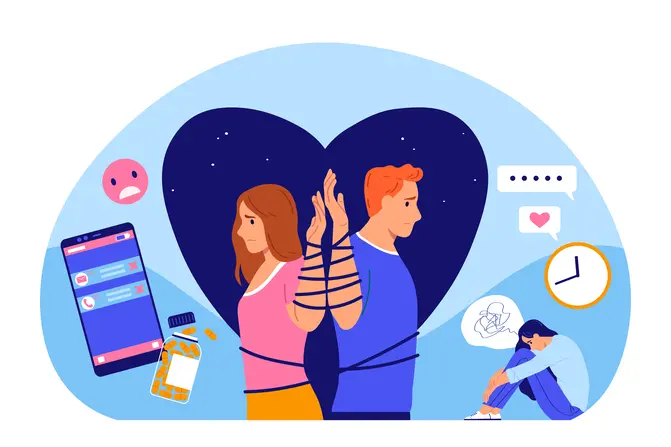
We often speak about the injustice, exploitation and abuse that individuals experience in their personal and social lives. Such discussions usually focus on physical violence, financial exploitation, harassment or psychological intimidation. However, there is another form of abuse that frequently remains unnoticed, even by those who experience it every day: emotional abuse.
Unlike physical violence, emotional abuse does not necessarily leave visible marks. There may be no injuries, medical reports or obvious evidence of wrongdoing. Yet, its impact on an individual's confidence, emotional stability, self-respect and overall well-being can be profound.
Emotional abuse can affect women, men, children and older adults. It may occur within marriages, romantic relationships, friendships, families and even professional associations. The person experiencing it may continue to participate in the relationship, maintain everyday responsibilities and appear perfectly normal to the outside world. Internally, however, they may be struggling with anxiety, confusion, emotional exhaustion and a gradual loss of their sense of identity.
One of the most concerning aspects of emotional abuse is that people do not always recognise it as abuse. They may dismiss repeated humiliation as ordinary disagreements, controlling behaviour as concern, emotional manipulation as love, and persistent disrespect as an unfortunate part of maintaining a relationship.
When a Relationship Becomes a Means of Control
Relationships are built on trust, affection, mutual understanding, respect and emotional security. Whether it is a marriage, friendship, romantic association or family relationship, both individuals should have the freedom to express their opinions, make personal decisions and maintain their individuality. Understanding relationship dynamics can help individuals recognise unhealthy patterns before they become deeply damaging.
Unfortunately, some relationships gradually become centred on personal advantage, emotional dependency and control rather than mutual commitment.
Initially, everything may appear pleasant. Individuals enjoy one another's company, share personal experiences, make promises and develop emotional attachments. Each person may believe that the relationship will provide companionship, security, understanding or support.
Problems often emerge when one individual begins to impose personal preferences, expectations, opinions and decisions on the other. A relationship that once offered emotional comfort may gradually become a source of pressure.
The situation becomes particularly difficult when one person refuses to acknowledge the other's individuality. Disagreement is interpreted as disobedience, independence is perceived as rejection, and personal boundaries are treated as a challenge to authority. In such circumstances, emotional manipulation may become a method of ensuring compliance.
The Psychology Behind Emotional Manipulation
Emotional abuse is not limited to shouting, insulting or openly humiliating another person. It can involve subtle and repeated behavioural patterns designed to undermine someone's confidence, influence their decisions or establish psychological control.
How Guilt and Emotional Pressure Are Used
A person who does not get their way may repeatedly remind the other individual of everything they have done for them. Statements such as, "After everything I sacrificed for you, this is how you repay me?" or "You would not be where you are today without me" can create a sense of guilt and obligation. Affection, financial assistance, emotional support and past sacrifices may be used as instruments of manipulation.
Understanding Gaslighting
Some individuals deliberately provide misleading information, make promises they have no intention of keeping, conceal important facts or create false expectations. They may repeatedly convince the other person that their interpretation of events is incorrect, even when the latter has legitimate reasons to feel hurt.
Over time, the affected individual may begin questioning their own judgement and memory. This experience can overlap with a pattern commonly known as gaslighting, in which a person repeatedly attempts to make someone doubt their perception of reality. The result is often emotional confusion. Instead of questioning the behaviour of the person causing distress, the victim begins questioning themselves.
Signs of Emotional Abuse
Emotional abuse does not always begin with a dramatic incident. Sometimes, it develops through seemingly insignificant actions that become harmful when repeated as part of a larger pattern of manipulation or control.
For example, a person may deliberately post social media statuses or messages intended to upset someone with whom they have a personal relationship. They may repeatedly ignore calls, withhold replies, withdraw affection or deliberately behave in ways they know will cause emotional distress.
1. Persistent Criticism and Humiliation
Other behaviours include persistent criticism, public humiliation, insulting language, deliberate exclusion, spreading damaging information, withholding important facts and repeatedly making someone feel responsible for every disagreement.
2. Controlling Behaviour and Excessive Suspicion
Excessive suspicion and questioning may also become instruments of control. One partner may demand explanations about every phone call, friendship, social interaction or movement. They may insist on knowing where the other person is at all times, restrict contact with friends and relatives, or dictate how the other person should dress, behave or spend money. The affected person may gradually lose the freedom to make ordinary decisions without anticipating criticism or conflict.
3. Silent Treatment and Emotional Withdrawal
Another particularly damaging pattern is the use of silence as punishment. Taking temporary space to calm down after an argument is not necessarily abusive. However, repeatedly withdrawing communication to punish, intimidate or force compliance can become a form of emotional manipulation.
Similarly, not answering a phone call or disagreeing with someone is not, by itself, emotional abuse. The context, intention, frequency, power imbalance and cumulative impact of the behaviour must be considered. The central concern is not an isolated disagreement but a recurring pattern in which one individual systematically disregards the emotional well-being and autonomy of another.
Why Do People Stay in Emotionally Abusive Relationships?
A question frequently arises: if a relationship causes so much distress, why does the affected person not simply walk away? The answer is considerably more complicated than it may appear.
Many people become emotionally invested in relationships long before they recognise the harmful patterns within them. They may have shared years of companionship, financial responsibilities, personal secrets, family commitments and important life experiences.
Some have gradually distanced themselves from friends and relatives because of the relationship. Others have become financially dependent or emotionally isolated. There may also be children, social expectations, family pressure, fear of public judgement or the hope that the other person will eventually change.
In some situations, individuals continue tolerating unacceptable behaviour because they remember the initial affection and repeatedly convince themselves that the earlier version of the relationship will return. They may believe that greater patience, more sacrifice or better understanding will solve the problem.
Unfortunately, when only one individual is making an effort to preserve a relationship, the imbalance can become increasingly damaging. A relationship cannot become emotionally healthy through the continuous sacrifice of one person's dignity, independence and psychological well-being.
What Does Research Tell Us About Emotional Abuse?
Emotional and psychological abuse is increasingly recognised as an important public health and mental health concern.
The World Health Organization (WHO), in its global estimates published in 2023 and presented in its 2026 fact sheet, reports that approximately 31.6% of women worldwide, representing around 840 million women and girls, have experienced physical and/or sexual intimate partner violence or non-partner sexual violence during their lifetime. These figures do not measure emotional abuse alone, but they demonstrate the enormous global burden of violence against women. The WHO also explicitly recognises psychological abuse and controlling behaviour as forms of intimate partner violence. World Health Organization +1
More specifically, the United States Centers for Disease Control and Prevention (CDC), in its 2023/2024 National Intimate Partner and Sexual Violence Survey data brief, reports that approximately 30.2% of women in the United States have experienced psychological aggression by an intimate partner during their lifetime. The survey also identifies coercive control and entrapment as important components of psychological aggression. CDC
These findings are significant because they demonstrate that abuse cannot be understood only through visible physical injuries. Psychological aggression, intimidation, isolation and controlling behaviour also deserve serious attention.
The mental health consequences are equally important. A 2022 systematic review and meta-analysis by Dokkedahl and colleagues, published in Systematic Reviews, examined 194 studies investigating psychological intimate partner violence. The researchers explored its associations with post-traumatic stress disorder (PTSD), depression and anxiety. Their work highlights the importance of recognising psychological abuse as a serious factor associated with adverse mental health outcomes. PubMed Central (PMC) +1
Emotional abuse can therefore affect much more than the immediate quality of a relationship. Its consequences may extend to self-esteem, emotional regulation, social functioning and the ability to develop trusting relationships.
An Example of Emotional Abuse in a Relationship
Consider the case of a hypothetical woman whom we shall call Ananya. This example is fictional and is presented solely to illustrate a pattern commonly discussed in relationship counselling.
Ananya entered a relationship with someone who initially appeared affectionate, supportive and understanding. He frequently communicated with her, expressed concern about her well-being and made her feel valued.
As the relationship progressed, however, his behaviour began to change. He started questioning her friendships, expressing suspicion about ordinary conversations and becoming upset whenever she made independent decisions. If she did not respond to his messages immediately, he accused her of neglecting him. If she expressed disagreement, he reminded her of the sacrifices he had made for her.
Gradually, Ananya began avoiding conversations that might upset him. She stopped meeting certain friends, became increasingly careful about her words and started explaining even the most ordinary decisions. Whenever she considered distancing herself from the relationship, he would become affectionate again, make promises and remind her of their shared memories.
For a long time, Ananya believed that she was the one who needed to change. She wondered whether she was too sensitive, too demanding or insufficiently understanding. Eventually, she began experiencing persistent anxiety, difficulty concentrating and a loss of confidence in her own judgement.
The turning point came when she recognised that she was no longer making decisions based on her own needs and values. Most of her decisions were being influenced by the fear of how the other person might react. With appropriate emotional support and counselling, she began identifying unhealthy patterns, rebuilding her confidence and establishing personal boundaries.
Ananya's experience illustrates an important point: emotional abuse can gradually become normalised within a relationship. The affected person may not recognise the extent of the problem until their emotional independence has already been significantly compromised.
The Emotional Effects of Unhealthy Relationships
During counselling interactions, one recurring observation is that individuals sometimes invest an extraordinary amount of time, energy, money and emotional effort in relationships that provide very little genuine security or reciprocity.
Some relationships begin as a response to loneliness. A person may simply want someone with whom they can share happiness, disappointment, personal difficulties and future aspirations.
In the desire to feel understood, individuals may disclose deeply personal information and develop trust very quickly. They may overlook warning signs because companionship appears more important than caution.
However, when personal vulnerabilities are later used to manipulate, threaten, embarrass or control them, the emotional consequences can be considerable. Relationships that initially functioned as a source of comfort may eventually become a source of distress.
This does not mean that every temporary, unconventional or non-traditional relationship is unhealthy. Nor does it mean that every disagreement, disappointment or communication gap constitutes abuse. The important distinction lies in whether the relationship allows both individuals to retain their dignity, autonomy and emotional security.
A healthy relationship does not require one person to surrender their identity to maintain the approval of another.
Emotional Abuse Is Not Restricted to Romantic Relationships
Although intimate partner violence receives considerable attention in research, emotionally harmful patterns can also occur in other relationships.
Children may experience repeated humiliation, intimidation, rejection or emotional neglect within their families. Older adults may be manipulated through guilt, threats, isolation or the misuse of their dependence on family members.
Friendships can also become emotionally exploitative when one individual repeatedly uses another person's trust, vulnerabilities or generosity for personal advantage. In professional environments, persistent humiliation, intimidation, deliberate undermining and psychological manipulation can seriously affect an individual's confidence and sense of security.
The common element across these situations is the misuse of emotional influence or power. It is important, however, to distinguish between ordinary interpersonal conflict and a sustained pattern of abusive behaviour. Not every unpleasant interaction should be labelled emotional abuse. A careful understanding of the relationship, its context and the repeated nature of the conduct is essential.
How to Recognise Emotional Abuse
One of the most important steps towards addressing emotional abuse is learning to recognise unhealthy relationship patterns without automatically blaming oneself. Individuals should occasionally reflect on their relationships and ask themselves some important questions.
Do I feel emotionally safe expressing my opinions? Am I free to make personal decisions without fear of punishment or humiliation? Do I constantly feel the need to justify my actions? Have I gradually stopped meeting people or participating in activities that were once important to me? Am I repeatedly apologising even when I have done nothing wrong? Does the other person respect my boundaries, or do I feel compelled to surrender them to maintain peace?
These questions are not a diagnostic test. However, they can encourage individuals to examine whether their relationships are based on mutual respect or sustained emotional pressure. It is equally important to understand that recognising emotional abuse does not necessarily mean making an immediate or impulsive decision to end a relationship.
Where there is intimidation, threats, stalking, financial dependence or a risk of physical harm, decisions about separation should be approached with appropriate support and safety planning. Speaking with a qualified counsellor, a trusted person or a relevant support organisation can help individuals understand their circumstances and consider appropriate next steps.
Setting Boundaries and Rebuilding Emotional Independence
A relationship requires commitment, patience, understanding and compromise. However, compromise should never become synonymous with surrendering one's self-respect. Both individuals must have the freedom to express their thoughts, preferences, expectations and disagreements. Neither person should be expected to live under constant scrutiny or emotional pressure.
The need for companionship should not become so overwhelming that individuals accept repeated disrespect merely to avoid loneliness.
Sometimes, people remain emotionally attached not because a relationship is healthy, but because they have invested too much of themselves in it. They may find it difficult to accept that the time, effort and sacrifices they have made have not produced the relationship they had hoped for.
Yet, accepting an uncomfortable reality can be the beginning of emotional recovery. Learning to say no, establishing boundaries, rebuilding social connections and making independent decisions are important steps towards regaining emotional stability. Professional counselling can also help individuals understand recurring relationship patterns, recognise manipulation, develop healthier communication strategies and rebuild self-confidence.
Importantly, the responsibility for abusive behaviour belongs to the person engaging in it. The individual experiencing abuse should not be made to feel responsible for someone else's decision to manipulate, intimidate or control them.
A Relationship Should Strengthen Your Identity, Not Destroy It
Whether relationships are formed through family connections, marriage, friendship, personal choice or circumstances, their fundamental purpose should be to enrich human life. A meaningful relationship requires mutual respect, emotional security, sincerity and a genuine willingness to understand one another.
The need for a relationship should be mutual. Commitment, affection and responsibility cannot be sustained by only one individual. Both people must recognise the other's feelings, individuality, aspirations and personal boundaries.
We should therefore periodically examine the relationships we maintain. Are we preserving them because they genuinely contribute to our happiness and well-being, or merely because we are afraid of losing someone?
Are we making compromises out of mutual affection, or are we constantly adjusting our lives to avoid another person's anger, criticism or emotional withdrawal? There is a significant difference between making an effort to save a relationship and gradually losing oneself in the process.
We must learn to think practically rather than allowing emotional attachment to prevent us from acknowledging harmful realities. Recognising unhealthy patterns, accepting the truth and making informed decisions are essential aspects of emotional self-preservation.
No relationship should demand the destruction of an individual's identity as the price of staying together. Emotional abuse may not always be visible to the outside world, but its consequences can be deeply felt by the person experiencing it. Recognising it is the first step towards addressing it.
Sometimes, the most important decision a person can make is not to convince someone else to change, but to recognise their own worth, protect their emotional well-being and reclaim the freedom to live with dignity. Because preserving a relationship should never mean sacrificing the person you are.
References
1. World Health Organization (2026). Violence Against Women – Fact Sheet. Global estimates on violence against women and the recognition of psychological abuse and controlling behaviour. https://www.who.int/news-room/fact-sheets/detail/violence-against-women
2. Centers for Disease Control and Prevention (CDC). The National Intimate Partner and Sexual Violence Survey: 2023/2024 Intimate Partner Violence Data Brief. Psychological aggression and coercive control prevalence. https://www.cdc.gov/nisvs/media/pdfs/intimatepartnerviolence-brief.pdf
3. Dokkedahl, S. B., Kirubakaran, R., Bech-Hansen, D., Kristensen, T. R., & Elklit, A. (2022). The psychological subtype of intimate partner violence and its effect on mental health: A systematic review with meta-analyses. Systematic Reviews, 11, 163. https://pmc.ncbi.nlm.nih.gov/articles/PMC9364557
4. Patton, S. C., Szabo, Y. Z., & Newton, T. L. (2022). Mental and Physical Health Changes Following an Abusive Intimate Relationship: A Systematic Review of Longitudinal Studies. Trauma, Violence, & Abuse, 23(4), 1079–1092. https://pubmed.ncbi.nlm.nih.gov/33468040/
5. U.S. Department of Veterans Affairs. Intimate Partner Violence – National Center for PTSD. Psychological and emotional abuse, warning signs and support. https://www.ptsd.va.gov/understand/types/violence_ipv.asp



 Rubén Darío Basay Roberts