- Understanding the Key Components of Relationship Dynamics
- Common Types of Relationship Dynamics
- Why Is Understanding Relationship Dynamics Important?
- How Can We Improve Relationship Dynamics?
- Seek Professional Guidance at the Right Time
- The Psychological and Health Significance of Human Relationships
- Conclusion
- References
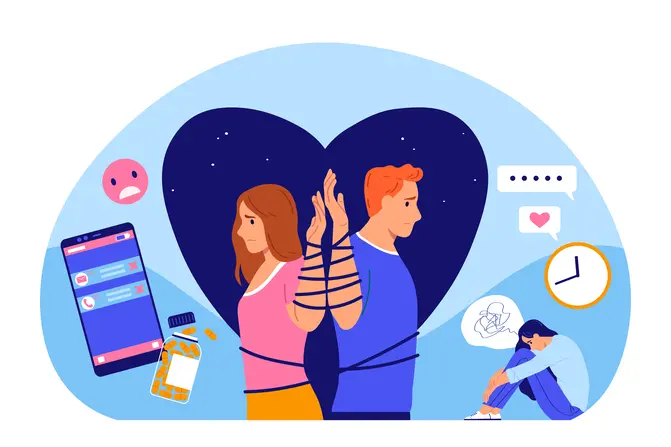
Human beings are inherently social, and relationships form an integral part of our lives. Whether they involve married couples, romantic partners, family members, friends or colleagues at the workplace, every relationship has its own unique character, patterns of interaction and emotional atmosphere. In psychological terms, these patterns are referred to as *Relationship Dynamics*.
In simple words, relationship dynamics encompass the overall patterns through which two or more individuals interact with each other, communicate, influence one another, respond emotionally and deal with disagreements or conflicts. The way people behave towards each other, exercise influence, express their feelings and respond during challenging situations collectively determines the dynamics of their relationship.
In this article, we will explore the meaning of relationship dynamics, their key components, different patterns commonly observed in relationships, and the ways in which unhealthy dynamics can be recognised and improved.
Understanding the Key Components of Relationship Dynamics
Balance of Power and Decision-Making
A healthy balance of power is essential in every relationship. Who has the authority to make decisions? Do both individuals receive equal consideration, or does one person constantly attempt to dominate the other?
When one individual makes all the decisions, expects everyone to follow their instructions and consistently imposes their preferences, maintaining a healthy relationship becomes increasingly difficult. A balanced relationship, however, allows both individuals to participate in decision-making, express their opinions and discuss differences without fear of rejection or intimidation.
Equality does not necessarily mean that both individuals must agree on everything. Rather, it means that each person's perspective is acknowledged, and neither individual is deprived of the freedom to express an independent opinion or make personal choices.
Communication Patterns
The manner in which two individuals communicate plays a significant role in determining the health of their relationship. Do they communicate openly, honestly and comfortably, or does their interaction frequently involve criticism, sarcasm, emotional suppression, indirect remarks, blaming or prolonged silence?
Sometimes, people remain physically close but become emotionally distant because they stop communicating meaningfully. In other situations, even minor disagreements escalate because individuals are more interested in proving themselves right than understanding each other.
The quality of communication, therefore, is one of the most important indicators of relationship dynamics.
Emotional Exchange and Mutual Support
Emotional exchange is the foundation of every meaningful relationship. How much support do individuals offer each other during difficult circumstances as well as moments of happiness? Do they respect one another's feelings and make an effort to understand each other's emotional needs?
Disagreements and differences of opinion are natural in human relationships. However, it is important to consider whether individuals can put aside their personal differences when someone genuinely needs their support.
When a person is going through a difficult phase, should an earlier argument become more important than the opportunity to offer help? Should we focus exclusively on the negative aspects of an individual, or should we also recognise their positive qualities and stand beside them when necessary?
The ability to distinguish between personal disagreements and genuine emotional or practical needs reveals a great deal about the strength of a relationship. Being emotionally available when someone needs us is an important aspect of maintaining meaningful relationships.
Personal Boundaries and Individual Space
Every relationship needs appropriate boundaries. Respecting each other's personal space, privacy, individuality and freedom is essential for maintaining a healthy emotional connection.
The nature and extent of personal space may differ depending on the relationship. A married couple, siblings, parents and children, friends or professional colleagues may have different expectations and boundaries. Nevertheless, every individual deserves to have their personal choices, interests and individuality respected.
Being close to someone does not mean having unrestricted access to every aspect of their life. Genuine emotional closeness develops through mutual respect rather than constant interference.
Common Types of Relationship Dynamics
Relationship dynamics can broadly be healthy or unhealthy. Understanding their different patterns helps us identify what is happening beneath the surface of our everyday interactions.
Healthy and Equal Partnership
In a healthy relationship, both individuals respect each other, participate in decision-making and appreciate one another's achievements. There is no constant competition to establish superiority. Instead, both individuals encourage each other's personal and professional growth. Transparency, mutual understanding, trust and the ability to discuss differences are important characteristics of such relationships.
Secure Relationship Dynamics
A secure relationship is one in which individuals experience emotional safety, mutual trust and a sense of stability. They feel comfortable expressing their thoughts, discussing concerns and seeking support without constantly fearing rejection, humiliation or punishment.
A meaningful relationship should provide a reasonable sense of emotional and psychological security, along with respect for physical and financial autonomy. Trust should not be confused with unquestioning obedience or the surrender of personal independence.
A mature relationship does not necessarily mean the absence of disagreements. Rather, it reflects the ability to handle disagreements without destroying mutual respect and emotional security.
Demand–Withdraw Dynamics
One particularly important pattern observed in relationships is known as the *Demand–Withdraw Pattern*. In this pattern, one partner repeatedly raises complaints, demands explanations or insists on resolving an issue, while the other partner avoids the discussion, withdraws emotionally or remains silent to escape confrontation.
Consequently, the underlying problem remains unresolved. The more one person demands an explanation, the more the other may withdraw. This creates a repetitive cycle of frustration, emotional distance and increasing tension.
For example, a wife may repeatedly ask her husband to discuss an issue that has been troubling her. He may interpret these discussions as criticism and stop responding. His silence may then increase her frustration, causing her to question him even more frequently. Eventually, both individuals feel misunderstood and emotionally exhausted. This pattern is not limited to married couples. It can also occur between parents and children, siblings, friends and colleagues.
Emotional Overdependence
Emotional overdependence is another unhealthy pattern that can affect relationships.It occurs when an individual becomes excessively dependent on another person for emotional stability, happiness, validation or a sense of personal identity. Statements such as "I am nothing without you" or "I cannot make any decision without you" may sometimes indicate an unhealthy level of emotional dependence.
In many relationships, individuals gradually become dependent on each other even for minor decisions and everyday activities. While mutual support is healthy, excessive dependence can restrict personal development and undermine individual confidence.
The problem becomes particularly serious when the person on whom an individual depends is unavailable due to professional commitments, personal responsibilities or other circumstances. It can become even more distressing if that person begins to withdraw or the relationship eventually comes to an end. A healthy relationship should encourage emotional connection without compromising individual identity, self-confidence and independence.
Control and Dominance
Another significant factor that damages relationships is excessive control and the desire to dominate another individual.
One partner may constantly monitor the other's activities, friendships, clothing, financial decisions, social interactions and daily routine. Questions such as where the person is going, whom they are meeting, whom they are talking to and why they are spending time with particular individuals may gradually become tools of control rather than expressions of ordinary concern.
This behaviour is often observed in marital and romantic relationships, although it can also occur in family and other interpersonal settings.
Over time, the person being controlled may begin to feel restricted, suffocated and deprived of personal freedom. Such relationships may continue merely as an obligation, without genuine emotional satisfaction, and in many cases eventually break down.
It is important to recognise that persistent monitoring, intimidation, isolation, financial restriction and coercion are not signs of love or care. They may indicate emotional abuse or coercive control and should be taken seriously.
Why Is Understanding Relationship Dynamics Important?
One important question is why we should understand relationship dynamics in the first place.
The way we behave in relationships is often influenced by our childhood experiences, family environment, emotional development and previous relationships. The patterns of attachment, trust, communication and conflict that we learn during our formative years may influence how we interact with people as adults.
For instance, an individual who grew up in an environment where disagreements were always followed by shouting may find it difficult to handle conflict calmly. Another individual who experienced emotional neglect during childhood may constantly seek reassurance and validation from others.
Understanding these patterns helps individuals identify the actual source of difficulties in their relationships.
Very often, people assume that their disagreements are caused only by financial problems, lack of time or household responsibilities. However, the underlying issues may involve a lack of mutual respect, poor communication, emotional insecurity, unresolved resentment or an unhealthy distribution of power.
Recognising these underlying patterns is the first step towards meaningful improvement.
Research in relationship psychology also highlights the importance of understanding how partners respond to conflict. A 2014 meta-analysis by Paul Schrodt, Paul L. Witt and Jenna R. Shimkowski examined 74 studies involving 14,255 participants. It found a meaningful association between demand–withdraw communication patterns and negative individual, relational and communication outcomes.
Similarly, research by Judith A. Feeney and Gery C. Karantzas (2017) explains how attachment-related anxiety and avoidance can influence the way couples respond to disagreements. These findings demonstrate that relationship conflicts are not always about the immediate issue being discussed; sometimes, they are also connected to deeper emotional needs and insecurities.
How Can We Improve Relationship Dynamics?
Once we understand that unhealthy relationship patterns can be identified and changed, the next important step is to make conscious efforts towards improvement.
Begin with Self-Reflection
Self-reflection is extremely important. Instead of constantly examining the other person's mistakes, we should also evaluate our own role in the relationship. Are we unknowingly trying to control the other person? Do we always insist on having the final word? Do we repeatedly make the other person feel that we are maintaining the relationship only because they need us? Are we always the ones making compromises, or do we expect the other person to adjust every time? It is important to examine our own behaviour honestly and recognise patterns that may be contributing to relationship difficulties.
Communicate Openly and Respectfully
Learn to express your feelings without immediately blaming or accusing the other person. Statements such as "I feel hurt when this happens" or "I find it difficult when you behave this way" can be more constructive than making direct accusations. Avoid unnecessary arguments, speaking negatively about someone behind their back, damaging their reputation or involving outsiders merely to establish that you are right. The objective of communication should be mutual understanding and resolution, not victory over the other person.
Respect Each Other's Personal Space
Allowing individuals to maintain their independence can actually strengthen emotional connections. Rather than expecting to spend every moment together, respect each other's professional commitments, personal interests, hobbies, friendships and individual time. A relationship becomes healthier when individuals can maintain their own identities while continuing to share meaningful experiences.
Seek Professional Guidance at the Right Time
One of the most important steps is to seek professional help before relationship difficulties become extremely complicated. If conflicts are recurring, communication has broken down or individuals are unable to resolve their differences despite repeated attempts, consulting a qualified relationship counsellor can be beneficial.
Unfortunately, several misconceptions prevent people from seeking professional guidance. Statements such as "We do not need anyone's help", "We understand everything ourselves", "Why should a third person interfere in our personal matters?" or "Why should we take our family problems outside the home?" often discourage individuals from obtaining timely support.
People sometimes believe that discussing their problems with a professional is a sign of weakness or that seeking counselling means publicly exposing their private matters. In reality, professional counselling provides a confidential and structured environment in which individuals can understand their concerns, examine behavioural patterns and work towards constructive solutions.
There is no reason to allow misconceptions or unnecessary hesitation to prevent a relationship from receiving the attention it needs. However, where a relationship involves intimidation, violence, threats or coercive control, the priority must be personal safety and appropriate professional support. Relationship counselling should never be used to place pressure on an individual to remain in an unsafe situation.
The Psychological and Health Significance of Human Relationships
The importance of healthy relationships extends beyond emotional satisfaction. A landmark meta-analysis published in *PLOS Medicine* in 2010 by Julianne Holt-Lunstad, Timothy B. Smith and J. Bradley Layton examined 148 studies involving 308,849 participants. The researchers found that individuals with stronger social relationships had approximately 50% greater odds of survival compared with those with weaker social relationships.
This finding highlights the wider significance of meaningful social connections for human health and well-being. It also reinforces why the quality of our relationships deserves serious attention.
Furthermore, the World Health Organization's 2023 global estimates, published in its updated 2025 report, indicate that approximately 840 million women worldwide have experienced physical and/or sexual violence during their lifetime, either from an intimate partner or through non-partner sexual violence. This is an important reminder that relationship dynamics must also be understood in the context of safety, dignity, equality and freedom from abuse.
Healthy relationships are not simply about staying together. They are about ensuring that individuals can live with mutual respect, dignity, emotional security and personal freedom.
Conclusion
To put it simply, relationship dynamics are much like a dance. When both individuals understand each other's rhythm and move with mutual respect, the dance becomes beautiful. But when each person insists on moving only according to their own rhythm, they repeatedly step on each other's toes, creating confusion and conflict.
In our everyday lives, we have a responsibility to give due importance to all the relationships associated with us. We should remain conscious of our words and actions and make an effort not to hurt others unnecessarily.
We must also move beyond immature assumptions such as believing that taking the initiative to communicate, apologising or resolving a disagreement amounts to accepting defeat or losing self-respect.
Sometimes, taking the first step towards understanding is not a sign of weakness; it is an indication of emotional maturity. After all, a healthy relationship is not about determining who is right and who is wrong all the time. It is about understanding one another, respecting individual differences and making a conscious effort to create a relationship in which both individuals can grow.
References
1. Schrodt, P., Witt, P. L., & Shimkowski, J. R. (2014). A Meta-Analytical Review of the Demand/Withdraw Pattern of Interaction and its Associations with Individual, Relational, and Communicative Outcomes. Communication Monographs, 81(1), 28–58. The analysis covered 74 studies and 14,255 participants. Taylor & Francis Online https://doi.org/10.1080/03637751.2013.813632
2. Feeney, J. A., & Karantzas, G. C. (2017). Couple Conflict: Insights from an Attachment Perspective. Current Opinion in Psychology, 13, 60–64. PubMed https://doi.org/10.1016/j.copsyc.2016.04.017
3. Holt-Lunstad, J., Smith, T. B., & Layton, J. B. (2010). Social Relationships and Mortality Risk: A Meta-Analytic Review. PLOS Medicine, 7(7), e1000316. This landmark analysis examined 148 studies involving 308,849 participants. PubMed https://doi.org/10.1371/journal.pmed.1000316
4. World Health Organization (2025). Violence Against Women Prevalence Estimates, 2023. Global, regional and national prevalence estimates. World Health Organization https://www.who.int/publications/i/item/9789240116962
5. Baucom, B. R., et al. (2015). The Interpersonal Process Model of Demand/Withdraw Behavior. Journal of Family Psychology, 29(1), 80–90. PubMed https://doi.org/10.1037/fam0000044

 Diana Irina Iordache

 Martha Fernandez

 Dr Malik Sherjeel Awan