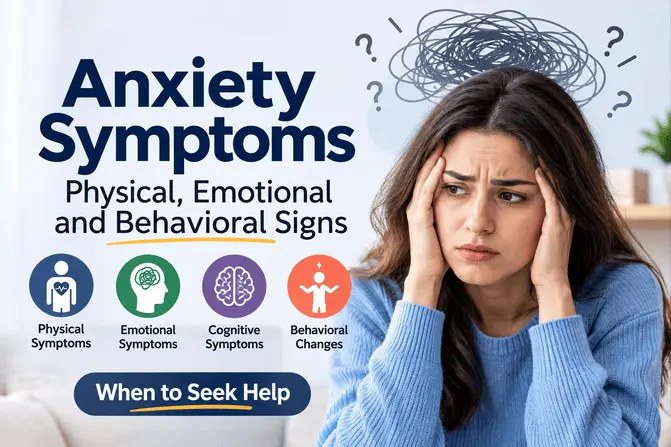
Stress and anxiety can feel very similar. Both may cause worry, physical discomfort, sleep problems, and difficulty concentrating. However, they are not exactly the same.
Stress usually develops in response to an identifiable pressure or challenge. Anxiety can continue even when the original situation has passed or when there is no immediate threat.
Understanding the difference can help people recognize their experiences and decide when they may need support.
What Is Stress?
Stress is the body's physical and mental response to a challenging situation. It often develops when someone feels under pressure or believes they have more responsibilities than they can manage.
Everyday situations can trigger stress. These may include preparing for an examination, meeting a work deadline, dealing with financial problems, or experiencing relationship difficulties.
Stress is not always harmful. A manageable amount can encourage someone to prepare for an important task or respond to a difficult situation. However, ongoing pressure can become exhausting when someone has little time to recover.
For example, a student may feel stressed before an important examination. The pressure may encourage them to study, but it can also cause headaches, restlessness, or difficulty sleeping.
Stress often becomes easier to manage when the situation improves or the person finds a way to address the problem.
What Is Anxiety?
Anxiety is a feeling of fear, worry, or apprehension about something that might happen. It is a natural human response, but it can become difficult to manage when it continues without a clear or immediate threat.
Unlike stress, anxiety does not always depend on an ongoing external problem. Someone may continue worrying about an examination even after completing it. Another person may feel uneasy about everyday situations without knowing exactly why.
Anxiety can affect thoughts, emotions, physical health, and behavior. It may cause excessive worrying, restlessness, muscle tension, a racing heartbeat, or difficulty concentrating.
Occasional anxiety is a normal experience. However, persistent anxiety that interferes with everyday activities may indicate an anxiety disorder and deserves professional assessment.
Anxiety vs. Stress: Key Differences
Stress and anxiety share several symptoms, but their triggers and patterns can differ.
| Factor | Stress | Anxiety |
|---|---|---|
| Common triggers | External pressure or challenging situations | Possible threats, uncertainty, or perceived danger |
| Duration | May improve when the stressful situation changes | Can continue even after a situation has passed |
| Main feeling | Pressure or being overwhelmed | Fear, worry, or apprehension |
| Physical effects | Tension, headaches, and sleep problems | Racing heartbeat, restlessness, and muscle tension |
| Thoughts | Focused on a current problem | Often focused on possible future problems |
| Daily impact | May improve when the pressure decreases | May continue affecting daily life without an immediate trigger |
These differences are general patterns, not strict rules. Stress can continue for a long time, and anxiety can develop in response to a specific situation.
1. Differences in Triggers
Stress usually has a recognizable source. A difficult conversation, financial responsibility, workplace pressure, or family conflict may trigger it. Anxiety can develop around similar situations, but it may also involve worrying about events that have not happened. A person might repeatedly imagine negative outcomes despite having no clear evidence that something will go wrong.
2. Differences in Duration
Stress often changes as circumstances change. For example, someone may feel less stressed after completing a difficult project or resolving a financial problem. Anxiety may continue even after the original concern disappears. A person might move from worrying about one situation to another, making it difficult to feel relaxed. However, long term stress can also persist when difficult circumstances remain unresolved.
3. Differences in Physical and Emotional Effects
Both experiences can affect the mind and body. Stress may contribute to muscle tension, headaches, irritability, fatigue, and digestive discomfort. Anxiety may involve persistent fear, restlessness, excessive worry, and similar physical reactions.
To understand the different ways anxiety can affect the body and mind, see our guide to common anxiety symptoms.
Can Stress Cause Anxiety?
Stress and anxiety are closely connected. Repeated or prolonged stress can contribute to anxiety, particularly when someone feels unable to manage ongoing pressure. For example, an employee dealing with an unpredictable workload may initially worry about meeting deadlines. Over time, that pressure might lead to persistent fear about making mistakes, disappointing colleagues, or losing their job.
However, stress does not automatically cause an anxiety disorder. People respond to difficult experiences differently, and several factors can influence their emotional well-being. Recognizing ongoing stress and finding appropriate support may help prevent it from becoming more difficult to manage.
Can You Experience Stress and Anxiety at the Same Time?
Yes. Stress and anxiety can occur together because they often involve similar emotional and physical responses. Consider someone preparing for an important job interview. They may feel stressed because they have limited time to prepare. At the same time, they may experience anxiety about failing, being rejected, or making mistakes during the interview.
Even after the interview ends, the person might continue worrying about the outcome. In this situation, the immediate pressure has passed, but anxious thoughts may remain. Experiencing both does not automatically mean someone has a mental health disorder. However, persistent symptoms deserve attention, especially when they affect everyday responsibilities.
When Should You Seek Professional Help?
Stress and anxiety are common experiences, but they should not regularly prevent someone from living their everyday life.
Consider speaking with a qualified mental health professional or healthcare provider if:
-
Worry or pressure becomes difficult to manage.
-
Sleep problems continue affecting your daily routine.
-
You struggle to concentrate at work or during studies.
-
You regularly avoid situations because of fear.
-
Physical symptoms occur frequently or without a clear explanation.
-
Emotional distress affects your relationships or responsibilities.
A professional can help assess your experiences, identify possible causes, and recommend suitable support. If you experience new, severe, or unexplained physical symptoms, seek medical assessment rather than assuming they are caused by stress or anxiety.
Final Thoughts
Stress and anxiety are connected, but understanding their differences can help people recognize what they are experiencing. Stress often develops in response to current pressures, while anxiety may continue through persistent worry about possible problems. Neither experience should be ignored when it begins affecting everyday life. Recognizing the signs and seeking appropriate support can help people take better care of their mental well-being.
References
-
National Institute of Mental Health. I'm So Stressed Out! Fact Sheet.
-
World Health Organization. Stress.
-
American Psychological Association. What's the Difference Between Stress and Anxiety?.
-
NHS. Get Help With Stress.


 Amna Irshad