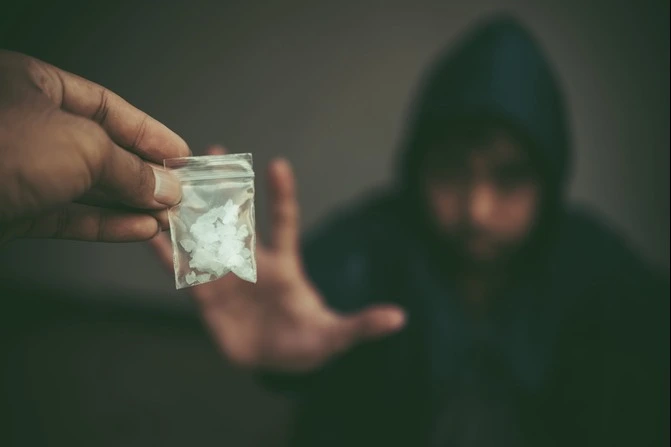
Six years after Diego Armando Maradona's death, a moment between him and his daughter raises an intimate question. How do we ask for help when we struggle to say what is happening to us? And how do we support someone who is still looking for the words?
One of his daughters asked him for a glass of water. Diego Maradona was lying in bed. His hand was shaking and, as he later told it, he could not get up. In 1996 he shared that memory in Gente magazine so that young people would know what cocaine had done to him.
Diego also described the loneliness and fear he felt after using cocaine. He remembered his daughters' birthdays that he had barely been able to enjoy and nights when he shut himself away and stayed alone.
When Asking for Help is Hard
Maradona recalled first using cocaine in 1982, at the age of 22, when he was playing in Barcelona. Claudia Villafañe said she found out in 1984, as Diego was moving to Naples. In her account, they only began talking about it once they were living in Italy. In 1991, a positive cocaine test made the problem public and led to a 15-month suspension.
In 1996, looking back on those years in Gente, Diego said that he had come to hope for a positive test. He hoped it would help him get care and return to Argentina. As he remembered it, a test could say for him what he struggled to put into words.
In that interview he said he was still receiving medical care. He sought help again in January 2000. After a heart crisis in Punta del Este linked to cocaine use, he travelled to Cuba, where he received psychological and psychiatric support.
For family, friends and others close to someone who is struggling, there are days of fear and exhaustion, too. Supporting someone can mean taking time off work to go to an appointment, making a difficult phone call or finding someone to take over from a relative who has been caring for them for weeks. The people providing that support can also seek professional guidance and find help for themselves.
He died on 25 November 2020, aged 60, while recovering at home after surgery for a subdural haematoma. The autopsy attributed his death to acute pulmonary oedema brought on by worsening chronic heart failure. Toxicology found no alcohol or illicit drugs in the samples.
What Families Live Through
Amy Winehouse was 27 when she died in 2011 from accidental alcohol poisoning, according to the inquest. That year, her family and friends established a foundation in her name. One of its programmes helps young people talk about alcohol and other drugs and supports those affected by an adult's substance use at home.
Basketball player Len Bias died at 22 from cocaine intoxication. In 2016, Prince died from an accidental fentanyl overdose.
In 1996, the same year Maradona spoke to Gente, footballer Tony Adams sought help for alcohol dependence. Four years later, he founded Sporting Chance, a place where other athletes could talk about their substance use and receive treatment.
The United Nations estimates that 331 million people used drugs in 2024. For someone who has finally decided to ask for help, finding somewhere to get care should be the easiest part.
If you are worried about someone close to you, call them. Ask how they are and give them time to answer. You can offer something concrete. "If you'd like, I can go with you to your first appointment." And if you are the one who needs help, you can start by telling someone you trust what is happening.
Six years after Diego's death, I return to the glass of water his daughter asked for. He chose to tell us what happened in that room. Someone we love may be looking for words just as simple today. "I'm having trouble stopping. Will you come with me?" I hope we have time to sit beside them. The world needs more moments together, more hugs.

 Kehinde Triumph
 Waqar Ahmad
 Mehvish Batool